Ghana Demands Accountability After Traders Killed in Burkina Faso Incident
Eight Ghanaian traders were killed in an attack in Burkina Faso, leading to strong criticism from MP Rev. John Ntim Fordjour regarding state security lapses. The Ministry of Trade condemned the incident and outlined government efforts to support victims and enhance cross-border security.
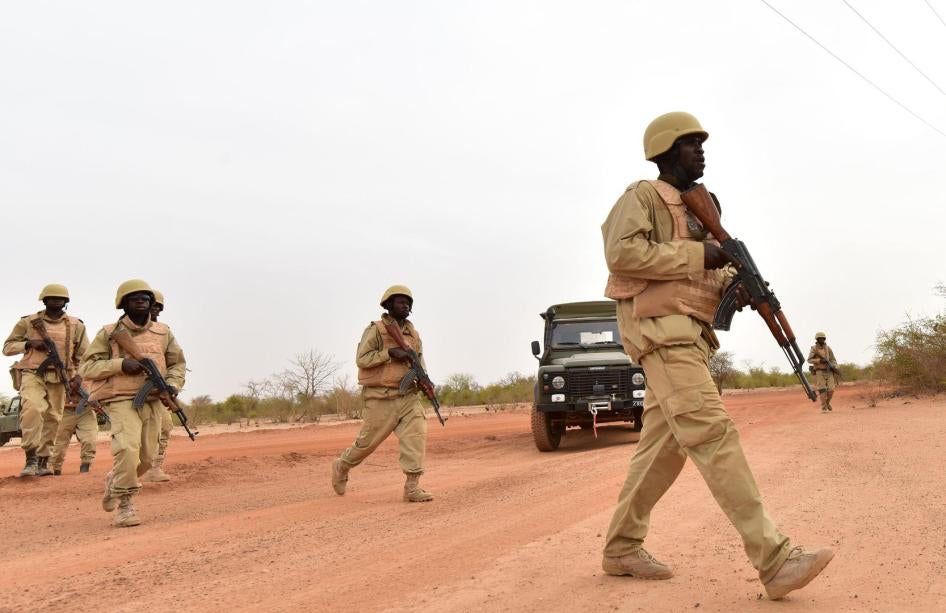
A tragic attack in northern Burkina Faso on February 14, 2026, claimed the lives of eight Ghanaian traders and injured several others in Titao, a region long affected by extremist violence.
The incident has sparked outrage and urgent calls for better state protection of citizens operating in high-risk areas.
Rev. John Ntim Fordjour, Ranking Member of Parliament’s Defence and Interior Committee, criticized the government for failing to act despite well-known security threats.
Speaking in Parliament on February 19, he emphasized that the Ghanaian state did not issue timely travel advisories to warn traders about the dangers in Burkina Faso.
“For the failure of the state to even provide a travel advisory ahead of time to advise travellers to Burkina Faso, and for these traders to be led to the slaughter is most regrettable,” he stated.
Rev. Ntim Fordjour urged stronger intelligence coordination and cross-border security measures to prevent similar tragedies.
The Ministry of Trade, Agribusiness and Industry expressed deep sympathy to the families and the trading community, confirming the fatalities and injuries.
The Ministry described the attack as “deeply distressing and unacceptable,” reiterating its condemnation of violence against lawful business activities.
The government, in collaboration with the Ministry of Foreign Affairs, Ministryof the Interior, and Ghana’s diplomatic mission in Burkina Faso, is working with local authorities to facilitate medical treatment and support for survivors.
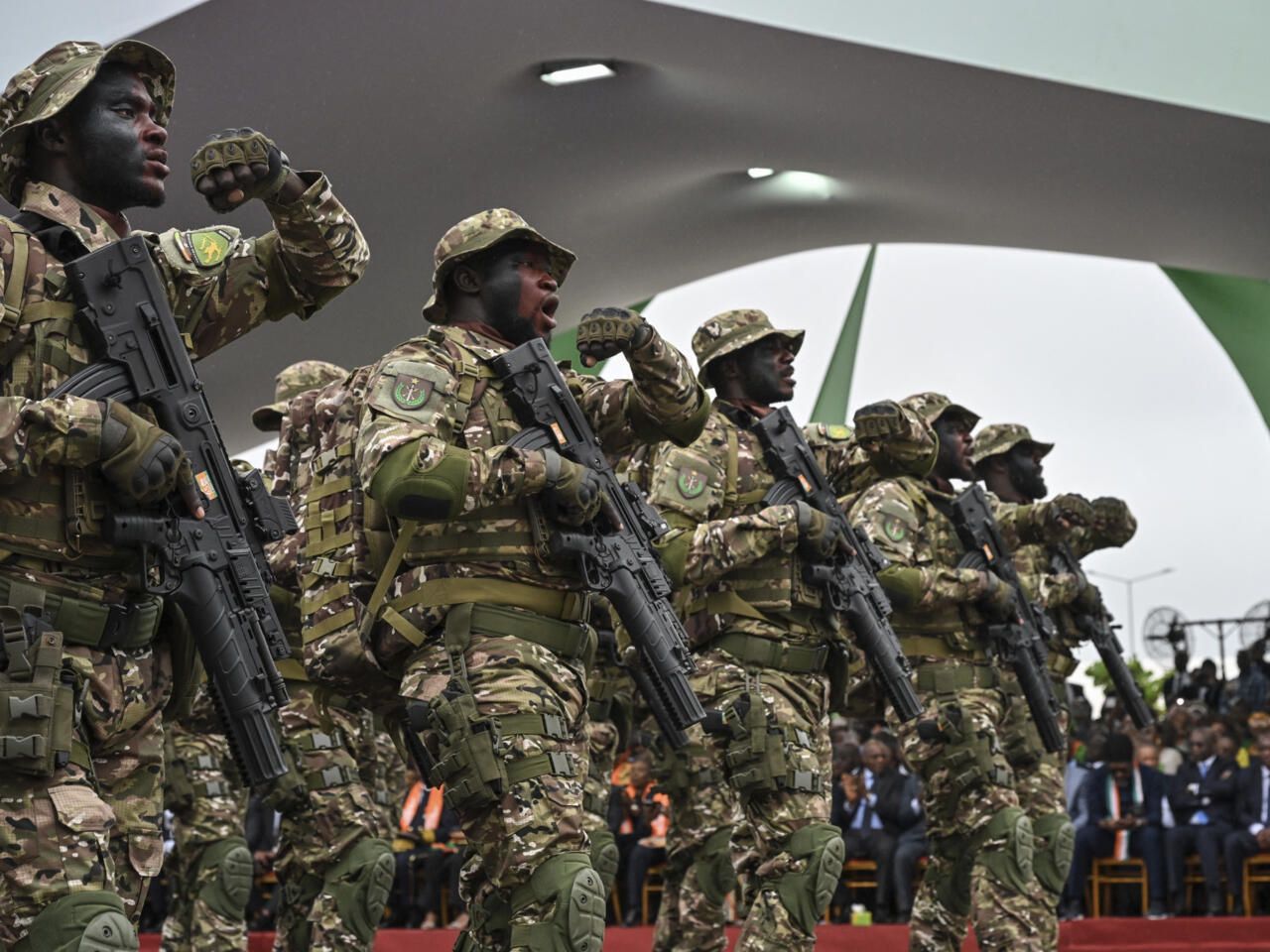
National Security agencies and regional partners are intensifying cross-border security efforts to ensure the safety of Ghanaian traders abroad.
This incident highlights the ongoing risks faced by traders in unstable regions and the urgent need for timely warnings, proactive measures, and cross-border security coordination to protect citizens engaged in legitimate commerce.