Tinubu's Independence Address Divides Nation: 'Empty' Say Critics, 'Path to Prosperity' Says President
Tinubu’s 66th Independence Day speech highlighted economic reforms and a shift toward prosperity, but former minister Solomon Dalung criticized it as rhetorical and disconnected from Nigerians’ realities.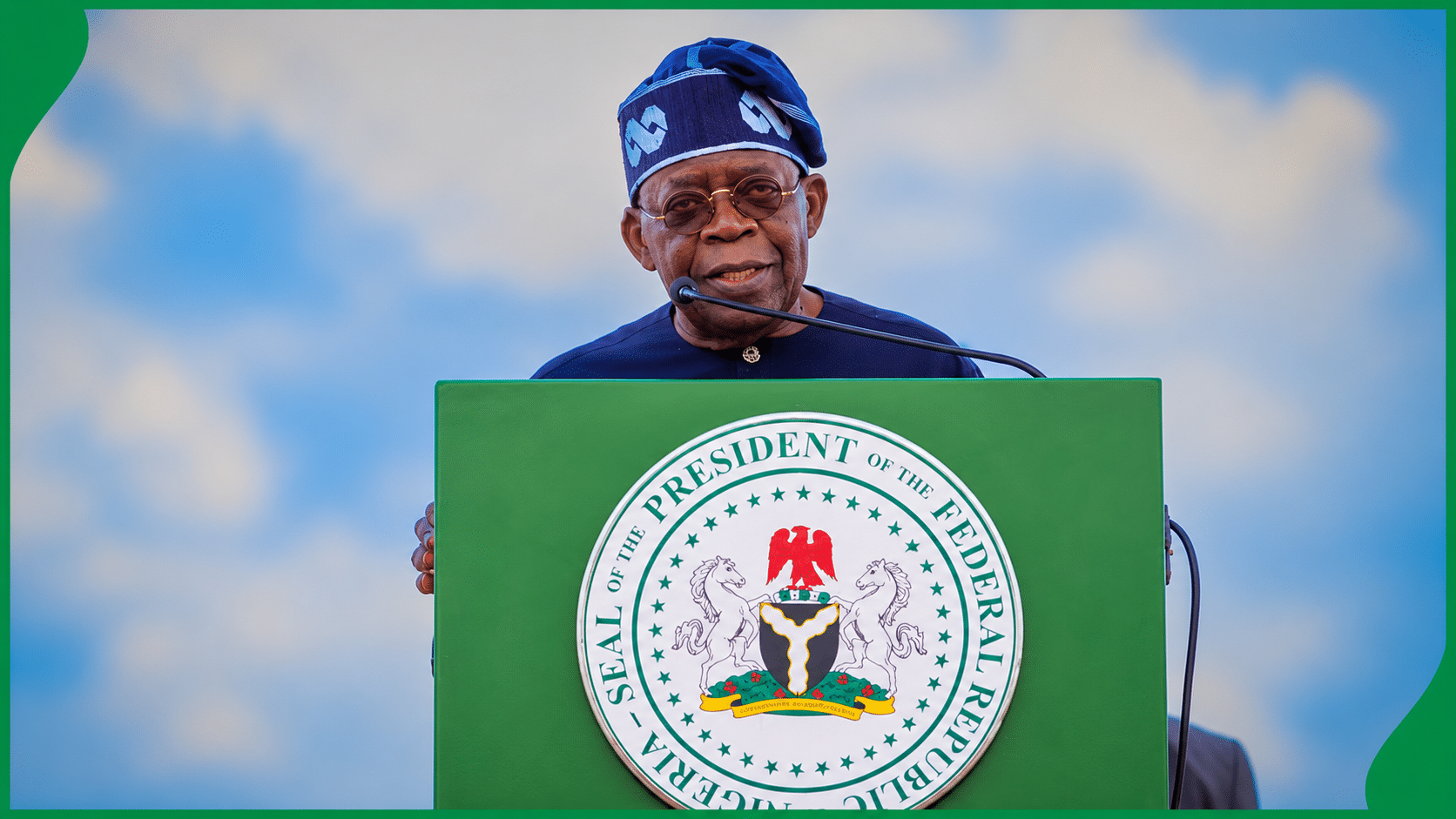
Nigeria's 66th Independence Day was marked by an address from President Bola Tinubu, which sparked varied reactions, particularly from former Minister of Youth and Sports, Solomon Dalung.
President Tinubu, in his speech, reflected on Nigeria's journey since gaining independence, acknowledging the nation's enduring spirit despite challenges such as war, military rule, economic crises, insecurity and political upheaval.
He emphasized the collective trust in Nigeria's promise to build a united, strong, and prosperous nation, recognizing the contributions of its diverse people, from farmers and traders to teachers and young entrepreneurs, and the sacrifices of the armed forces and security services.
President Tinubu articulated a critical assessment of Nigeria's economic situation prior to his administration, likening the country to a cancer patient requiring difficult and painful treatment.
He stated that by 2023, poverty was rising, and hope was nearly gone, necessitating decisive action. He argued that previous leaders had opted for "morphine," dulling the pain without addressing the underlying "disease" of economic distortions and inefficient arrangements.
Upon assuming office, his administration resolved to "excise the cancer" through reforms, acknowledging their difficulty and real side effects, but asserting that these reforms confronted, rather than created, the economic weaknesses.
He urged Nigerians to resist calls to abandon these treatments, highlighting that "three and a half years later," the economic outlook has improved, with over 4% growth, reduced oil theft, stable foreign exchange, rebuilt foreign reserves, and a record $6 billion in non-oil exports in 2025.
However, Solomon Dalung sharply criticized President Tinubu’s Independence Day address as "rhetorical," "wishful," and "disappointing."
Speaking on Channels Television’s The Morning Brief, Dalung argued that the speech failed to provide a concrete account of the administration’s successes since 2023.
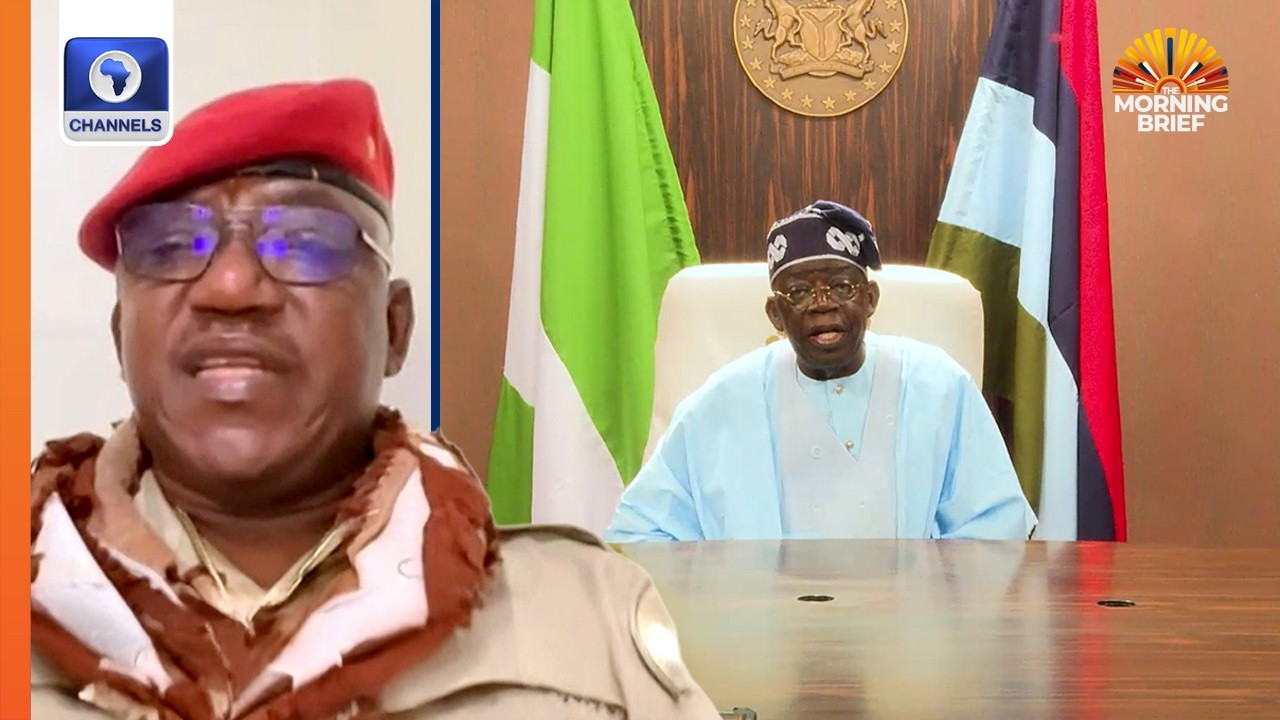
He contended that the president should have used the anniversary to offer accountability, showcase tangible achievements from the reforms, and adequately address critical national challenges such as insecurity, agriculture, the economy, unemployment, hunger, poverty, and foreign policy.
Dalung questioned the president's comparison of Nigeria's economy to a cancer patient, stating that Nigerians had heard similar appeals for patience without a clear timeline for recovery, metaphorically asking, "when shall the cancer victim recover? Because it does appear that the surgery has put him in a coma."
Dalung further highlighted the disconnect between reported economic growth and the living conditions of ordinary Nigerians.
He questioned how a 4% economic growth rate had translated into improved transportation costs or enhanced purchasing power for citizens, stressing that economic figures must "be translated into putting something before the ordinary Nigerians."
He also found the president’s treatment of insecurity insufficient, pointing to the ongoing crisis in Plateau State with frequent attacks and mass burials as evidence that the state was "running a full-blown war" that was not adequately addressed in the speech, especially concerning Nigerians held in captivity.
Despite the criticisms, President Tinubu declared that the "emergency treatment is over" and the nation has reached a "turning point," with the central economic task now shifting to "shared and widespread prosperity."
He defined prosperity not merely by abstract numbers but by personal impact: a Nigeria where farmers can safely cultivate and earn, factories have reliable power, businesses secure credit, and young people find productive work. He envisioned affordable food and transportation, accessible education, and confident families.
To achieve this, his government is prioritizing lowering the cost of living by reducing production and transportation costs, expanding mechanised irrigation and dry-season farming, improving access to agricultural inputs, and investing in infrastructure like roads, railways, and ports.
The President also outlined plans to transform Nigeria's demographic strength into an engine of production. Policies would focus on jobs, enterprise, and industrial growth, utilizing gas for new industries, supporting factories, expanding digital connectivity, and investing in skills. He expressed a desire to see more Nigerians producing goods, feeding cities, supplying factories, selling internationally, and creating "unicorns."
Acknowledging that many citizens still struggle for basic necessities, Tinubu affirmed the government's commitment to direct support for the poorest households through a strengthened National Social Register.

He highlighted initiatives likethe Nigerian Education Loan Fund, ensuring higher education access, and CREDICORP, providing consumer credit for essential assets.

He reiterated the commitment to strengthening primary healthcare, basic education, and public services in collaboration with states and local governments, while ensuring timely payment of salaries and pensions and reforming the national pension program.
President Tinubu concluded his address by asserting that the objective is to defeat poverty, not merely manage it.
He acknowledged that this would take time, discipline, sustained growth, and millions of productive opportunities, but maintained that Nigeria now embarks on this task from a position of strength, with its fundamental economic direction corrected.
He proclaimed the "age of reform has done its work" and "now begins the age of prosperity," envisioning a future of abundance, opportunity, and broadly shared prosperity where every child can dream beyond their circumstances.
He called on Nigerians to move forward with faith, emphasizing that the sacrifices made will yield reward, leading to a "Promised Land" of national promise reflected in the lives of its people, with strong foundations and a clear direction.