Time as a Circle: African Concepts of Tomorrow
Across Africa, time is more than clocks and calendars — it’s a living rhythm that connects ancestors, communities, and nature. This article explores how traditional African views of time as a circle challenge Western notions of progress and offer fresh wisdom for modern life.

Rethinking Time Beyond the Clock
We all learn to think that time is a straight line, always moving, always pushing us from one moment to the next. You see it in clocks ticking away, calendars filling up, countdowns at the office or at home. That's just the way things are in the modern world. But in many African societies, people think about time differently. Time isn't a linear path to them, it's a cycle, a beat that returns, connected to seasons, rituals, and the history of elders.
This mind-orientation appears everywhere, from language to everyday life. Take the Akan people in Ghana. They don’t really care about counting minutes and hours. They look at time through what’s happening around them. The future isn’t some distant thing you chase. It’s more like a space that opens up as events happen. Even the Swahili word “kesho” does double duty, it means “tomorrow,” but it can also mean any near future. It’s not tied to a date on a calendar. With the Yoruba, time is entangled with the concept of àṣẹ , a sort of living energy that flows in cycles, not in one linear direction.
Western calendars slice life into minute segments: seconds, minutes, hours, and years. Everything gets scheduled, measured, squeezed for efficiency. But for many African communities, time orbits around events and people. Farmers mark time by the rain, harvests, or when certain stars show up in the sky. Age isn’t about the day you were born, but about the group you belong to as you move through life. The big question isn’t “when,” but “what”, what’s happening, what needs doing, and how does it matter to everyone around you.
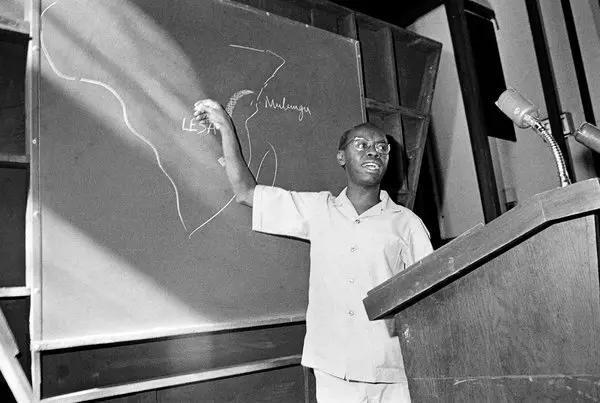
John Mbiti, an anthropologist, once said African time is “human-centered.” It’s not about abstract numbers; it’s about real life as it’s lived. To many Africans, the future doesn't exist until it is present. It doesn't imply that they're not planning. It's merely a different approach to living in the world — one that's sensitive to relationship, community, and a sense of spiritual timing that keeps everything moving in concert.
Time, Memory, and the Ancestors
Time does not just move forward in Africa, it arrives in a cycle, pulling memory and ancestry along. Across Mali and Malawi, and in other places, people do not perceive the past as lost. It’s right here, alive in the stories and rituals, always close because the ancestors never really leave. Mbiti called this the “Sasa,” or the time of now, where the living, the dead, and even the not-yet-born all meet and mingle. One long, unbroken chain.
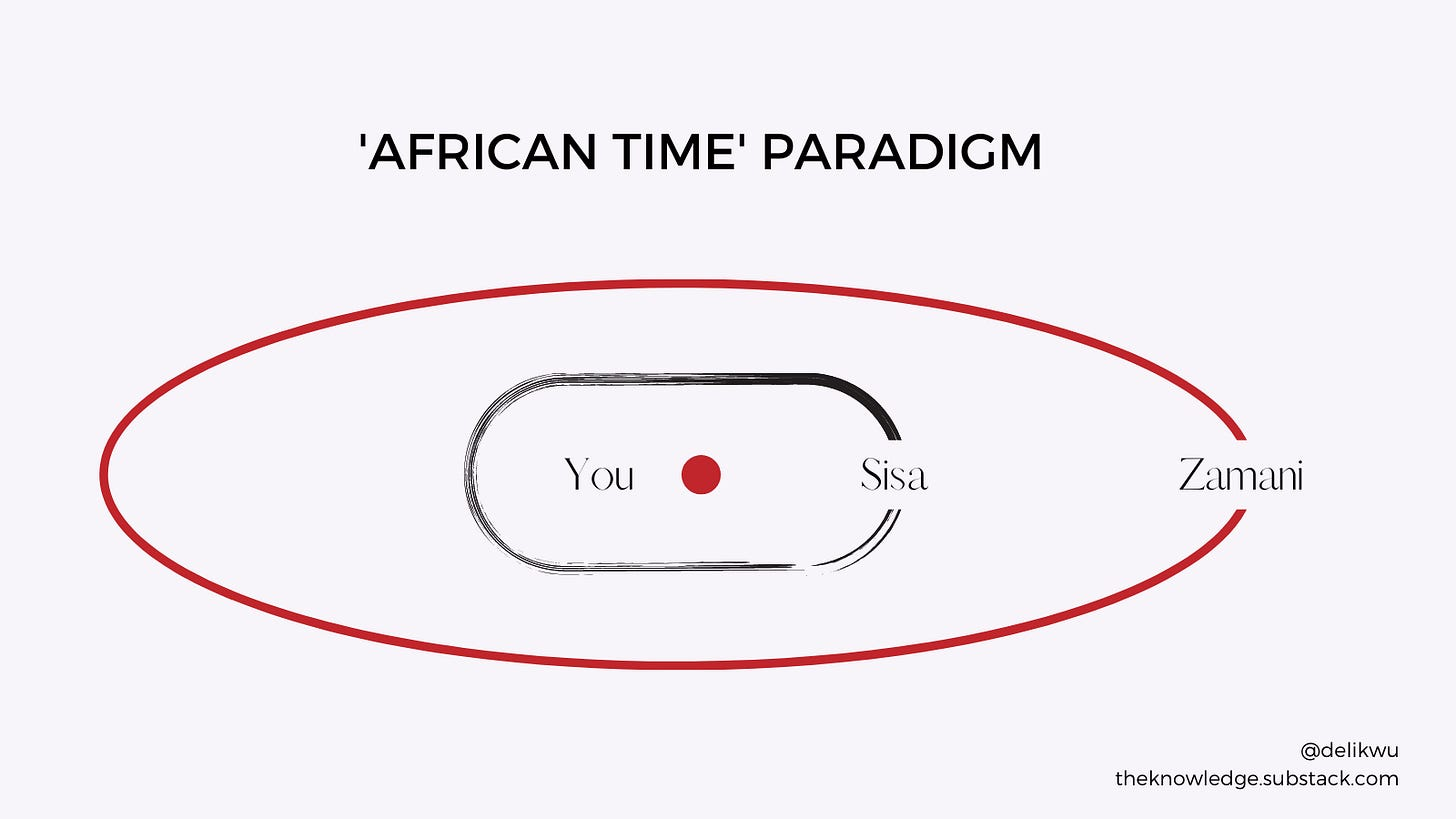
You see this idea everywhere, during ceremonies, in the way people make decisions. Elders don’t just speak for themselves. Their words bear the voices of all those who have come before. Time in such cultures is something shared, nearly a family treasure. Progress does not mean throwing over tradition, it means living out what always has been on the move.
Music and dance take this idea and make it real. Listen to African drums—they don’t stick to a stiff, ticking beat. They twist, layer, and double back on themselves. Polyrhythms come alive, echoing the cycles of seasons and gatherings, wrapping everyone into the same moment. The beat keeps going, pulling people in. It’s less about marking time and more about connecting through it.
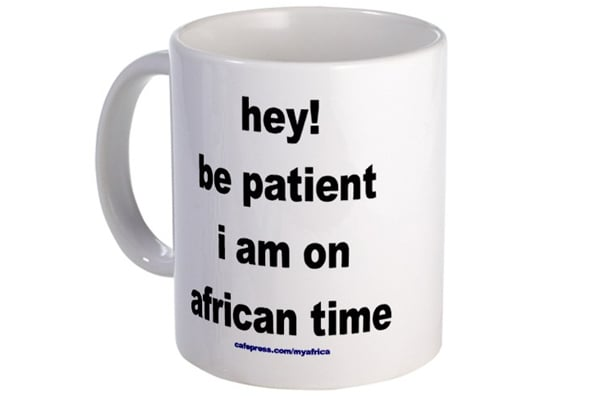
Even cities can't escape. Sure, there are schedules and deadlines in modern times, but that old rhythm still lingers, humming underneath. People jest about "African time," calling it lateness, but that takes away from the spirit. It's about keeping people first—waiting for everyone to arrive, not looking at the clock. When the right moment feels right, meetings start when the group is assembled. It's really not about rushing. Harmony overshadows hastening. Harmony matters more than hurry. That’s when the real moment arrives.
Modern Lives, Ancient Rhythms
There are two rhythms that humans march to daily in Africa. There is the digital, tick-tock beat of modernity, emails, schedules, meetings, traffic. And there is the ancient, communal heartbeat, marked by seasons, ceremonies, and the sense that time unfurls in circles, not just lines. You feel this mix everywhere, in glass-walled offices and dusty village courtyards alike. Instead of one way of life replacing the other, most Africans now merge both—ticking off minutes for work, but still harmonizing to the subtle rhythms of tradition.
Think of cities like Lagos, Nairobi, or Johannesburg. Life runs on universal time: school bells, office hours, endless Zoom calls. But underneath all that, the old rhythms don’t just disappear. Market days still shape how cities move. Weddings or funerals start when everyone’s ready, not on the dot. Lunar cycles, not Google Calendar, set the date for some ceremonies. It’s a balancing act, a kind of “temporal bilingualism.” People switch between these worlds all the time, and honestly, they make it look easy.
Social Insight
Navigate the Rhythms of African Communities
Bold Conversations. Real Impact. True Narratives.
Tech isn’t wiping out these old ideas about time. If anything, it’s remixing them. Farmers in Kenya use smartphone apps that help them plant crops on schedule with the rains and the moon, exactly as their grandparents have always done, but now they also get weather warnings and market prices. The wisdom is the same, but the tools are different. In Ghana and Nigeria, all-night church vigils still happen just as they always have: they start when the spirit moves people and end when all persons feel done. Nobody's checking the clock.
Even art and architecture are getting in on this. You see it in Ethiopia or Senegal in new buildings that borrow from the old round compounds, made for community and flow, not right angles and straight lines only. African filmmakers are playing with storylines that loop and double back, reflecting the sense that time doesn't always go forward.These aren’t just creative choices, they’re reminders that the circular way of thinking about time runs deep.
There’s something big behind all this. In a world obsessed with speed and productivity, the African approach offers a different way to think. Here, time isn’t just money. It’s meaning. It's a question of being with others, of patience, of letting things unfold. Living this way pushes against the stress of always rushing somewhere. It asks you to trust the process, to find purpose in returning cycles instead of chasing some finish line you never reach.
Younger people are tuning into this too. Through art, technology, and literature, they're making old wisdom present in the here and now. African philosophers are like, listen, time is not a number, it's nature, spirit, and people. Artists share folktales and eco-friendly ideas rooted in land and life cycles on social media, and suddenly these worldviews are contemporary and alive.
In a way, this is quiet resistance. Africans are choosing to set their own pace, measuring progress in harmony and renewal instead of just hours or GDP. Whether it’s a slow-moving festival, the looping songs of a church service, or an eco-friendly home shaped around the community, the beat of cyclical time keeps going.

In the end, the African sense of time isn’t about longing for the past. It's a map for the years ahead. It reminds us not to treat tomorrow like a deadline, but like a horizon we move towards together. Time moves in circles here, not in lines, and maybe that's one of the oldest, wisest teachings of all. The future isn't just ahead of us. It comes around again and again, as life keeps happening in its own time.