Abuja Rents Are Rising, But Are Salaries Keeping Up?
Abuja rents are soaring, but are Nigerians being priced out of the homes they work to afford?
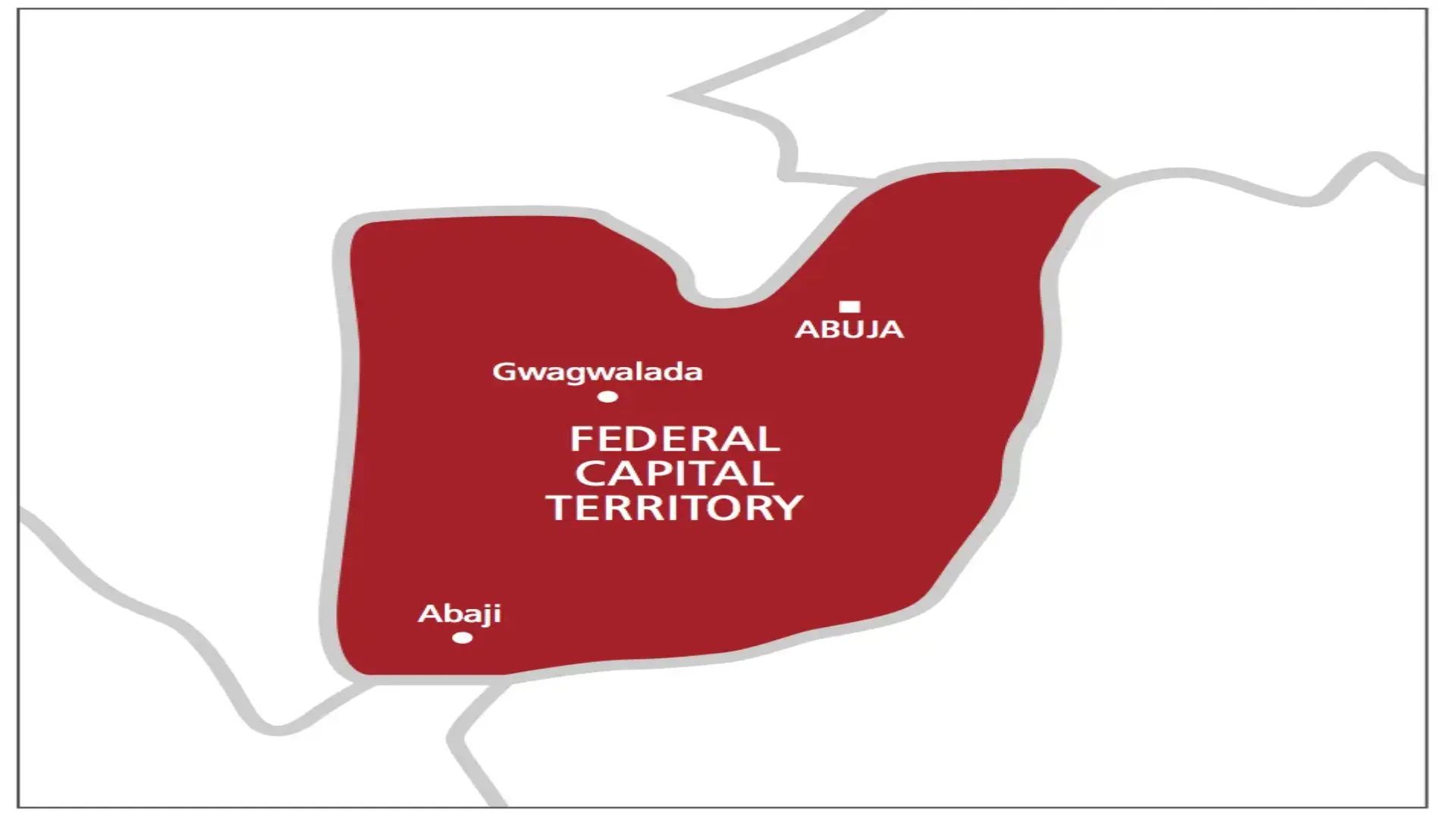
Imagine earning your salary and already knowing that a huge part of it will disappear the moment your rent is due.
That is becoming a reality for many households in Abuja, where rising house rents are forcing people to make difficult choices between keeping a roof over their heads and paying for other necessities.
A survey by theNews Agency of Nigeria (NAN) found that some households are now spending a significant share of their annual income on accommodation, leaving less money for food, transportation, healthcare and school fees.
The figures help explain why. According to the National Bureau of Statistics (NBS), Nigeria's rent inflation rose to 33.8 per cent in July, from 14.79 per cent in June.
And behind those numbers are people changing the way they live just to remain housed.
When ₦1.5 Million Rent Becomes ₦3.5 Million
For Olusegun Daniels, a businessman living in Karu, the increase has gone far beyond what he expected.
His two-bedroom bungalow, which previously cost ₦1.5 million a year, now costs ₦3.5 million. That is more than double the previous rent.
His business has not escaped the pressure either. The rent for his shop increased from ₦300,000 to ₦450,000.
The problem, he said, is not simply finding the money. It is finding that money when business itself is struggling.
“High cost of house and shop rents are really disturbing,” Daniels told NAN, explaining that gathering the money without a viable business had become a major concern.
Another businessman, Emeka Okafor, faces a similar situation in Wuse. His one-bedroom apartment moved from₦1 million to ₦1.8 million and eventually ₦2 million.
He considered relocating to a cheaper satellite area but decided to remain because moving farther away could create another problem: distance from his business.
It is a difficult calculation many residents now understand. Pay more to stay close to work, or move farther away and potentially spend more time and money getting to work every day.

Social Insight
Navigate the Rhythms of African Communities
Bold Conversations. Real Impact. True Narratives.
Families Are Cutting More Than Luxury
For some families, rising rent is no longer about giving up a few luxuries. It is beginning to affect everyday decisions.
A civil servant living in Kubwa, Evelyn Bode, said two-bedroom flats that previously rented for around ₦600,000 to ₦800,000 now cost between ₦1.5 million and ₦2 million, depending on the location and building.
Her response has been to cut costs elsewhere.
She changed her children's schools to cheaper ones and reduced spending on food and other household needs.

“I can no longer pretend because things are getting tight by the day,” she said.
Livinus Anya, who lives in Nyanya, said his rent rose from ₦600,000 in February 2025 to ₦1.6 million in December 2025.
He used to make monthly contributions and save gradually to meet his annual rent. Now, even those savings are no longer enough.
His solution has been to stop using his car because he cannot comfortably pay for fuel while also handling rent, school fees and feeding.
That is where the rent crisis becomes a social issue.
A rent increase does not stop at the landlord's doorstep. It can mean a child changing schools, a family eating differently, a car being parked permanently or a worker moving farther away from their workplace.
Two Years' Rent Upfront Makes It Even Harder
The problem becomes even more difficult for people who cannot afford large lump-sum payments.
A teacher who is living in Lugbe, Sani Musa, said some landlords now demand two years' rent upfront, making it harder for low-income earners to secure accommodation.
He pointed to several factors behind the rising rents, including the housing deficit, rural-to-urban migration and the increasing cost of building materials.
Social Insight
Navigate the Rhythms of African Communities
Bold Conversations. Real Impact. True Narratives.
But Musa believes something else is needed: regulation.
He called for rules that would prevent landlords from increasing rents unreasonably and argued that any such law would only matter if it was properly enforced.
For Abigail Abidolu, a civil servant in Apo Resettlement Area, the increase has also meant giving up things her family once enjoyed.
Her one-bedroom rent increased from ₦500,000 to ₦1.2 million.
At the same time, she said salaries have not increased substantially, while workplace training opportunities that previously provided additional income have been cancelled.
So the question becomes uncomfortable: when income stays relatively the same but rent keeps climbing, what exactly is left to cut?

Tinubu's Promise Meets Abuja's Reality
President Bola Ahmed Tinubu spoke about reducing the cost of living in his Independence Day broadcast, prompting some residents to ask the government to make affordable housing part of that promise.
For people struggling with rent, the issue is not abstract.
They are already making the sacrifices.
Some have moved their children to cheaper schools. Some have stopped driving. Others have reduced food spending, abandoned certain family outings or considered moving farther away from where they work.
And for someone paying ₦1.6 million or ₦3.5 million a year in rent, the question is not simply whether the economy is improving on paper.
It is whether that improvement eventually reaches the household budget.
Abuja's housing problem therefore goes beyond expensive buildings. It touches employment, transportation, education, food and the quality of family life.
Affordable housing cannot simply mean having houses available. It also means having homes that ordinary workers can realistically pay for without sacrificing everything else.
Social Insight
Navigate the Rhythms of African Communities
Bold Conversations. Real Impact. True Narratives.
Because having a roof over your head should not require giving up the life happening underneath it.