The Untold Story of the Man Who Designed Nigeria's Flag: From National Hero to Years of Hardship
He designed Nigeria's flag as a student in London, beat more than 2,000 entries, and won £100. But the man behind the green-white-green later struggled to survive before finally receiving the recognition he deserved. Here's the inspiring story of Michael Taiwo Akinkunmi.
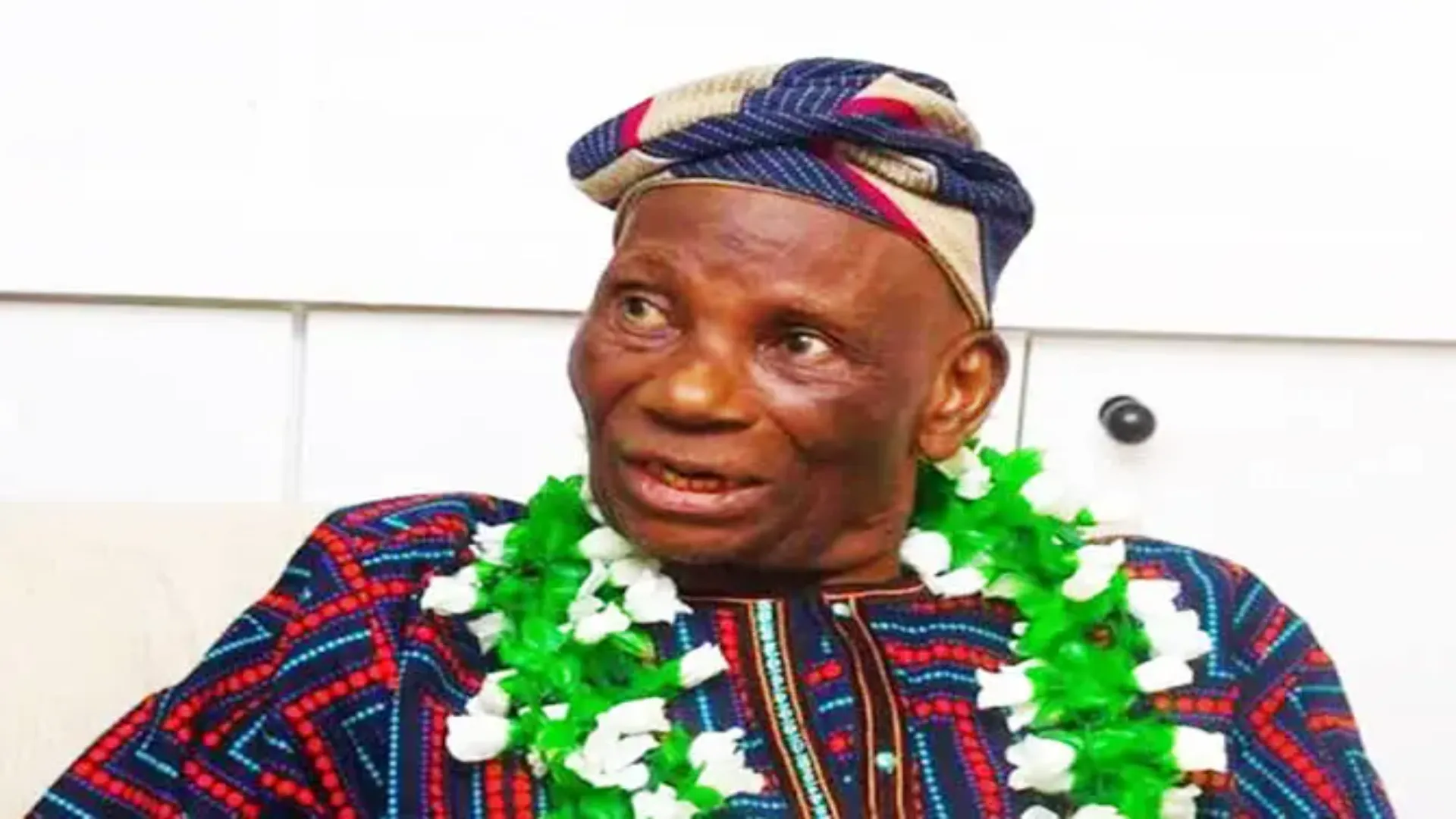
Every October 1, millions of Nigerians proudly wave the country's green-and-white flag as a symbol of unity and independence.
Yet, few know the remarkable story of the man behind its design—Michael Taiwo Akinkunmi.
As a young student studying in London, Akinkunmi entered a nationwide competition to design Nigeria's national flag, competing against more than 2,000 entries.
His simple yet meaningful design was chosen, earning him £100, a significant sum at the time.
What began as a student competition would go on to become one of the most enduring contributions to Nigeria's history.
However, despite creating one of the nation's most recognisable symbols, his later years were marked by financial hardship and years of neglect before he finally received national recognition decades later.
His life remains a powerful story of patriotism, resilience, and the importance of honouring those whose contributions help shape a nation's identity.
How a Student in London Created Nigeria's National Flag
In 1958, while studying at the Norwood Technical College in London, Michael Taiwo Akinkunmi came across an advertisement calling for designs for Nigeria's national flag ahead of the country's independence.
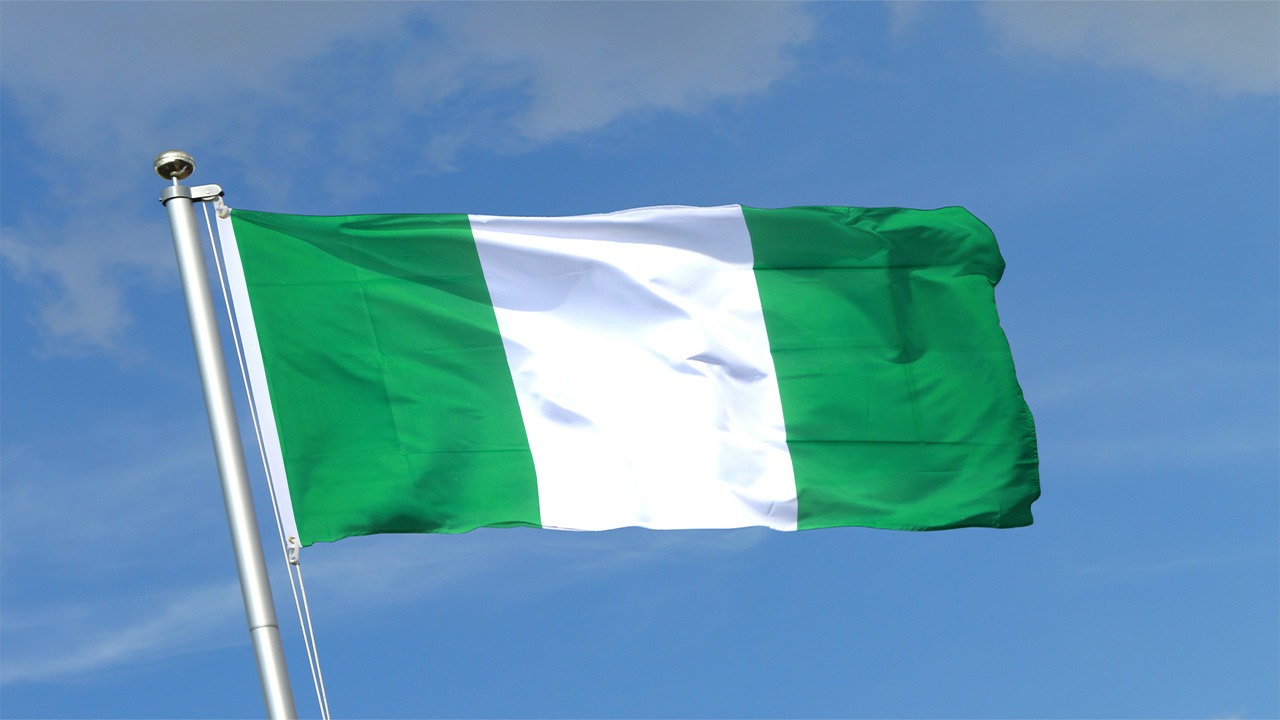
Inspired by the opportunity, the young student submitted a design featuring three vertical stripes; green, white, and green—with a red sun at the centre of the white stripe.
Akinkunmi explained that the green symbolized Nigeria's rich vegetation and agricultural wealth, while the white represented peace and unity.
The red sun, according to him, represented God's divine protection over Nigeria, but out of more than 2,000 submissions, his design impressed the judges the most, standing out for its simplicity and powerful symbolism.
However, the selection panel decided that the red sun should be removed, leaving the simple green-white-green flag that Nigerians know today.
His winning design earned him £100, a substantial reward for a young student at the time and a life-changing achievement that secured his place in Nigeria's history.
The flag was officially adopted on October 1, 1960, the day Nigeria gained independence, and has remained the country's national symbol ever since.
A Lifetime of Public Service After His Historic Achievement
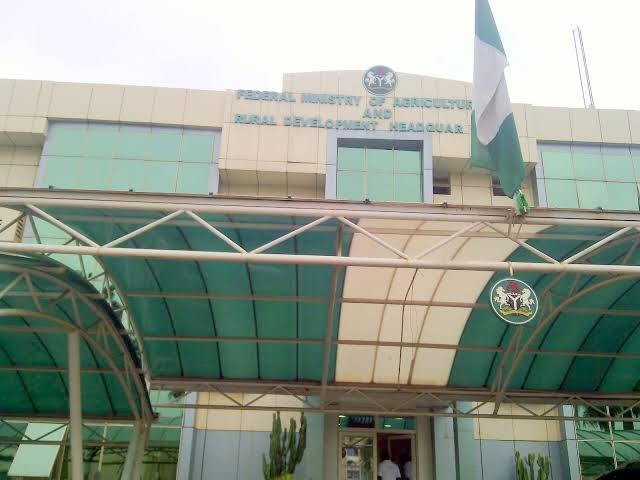
After completing his studies in the United Kingdom, he returned to Nigeria and joined the Federal Ministry of Agriculture, where he built a long and dedicated career as a civil servant.
Although he became known as the designer of Nigeria's national flag, he lived a relatively quiet life and spent decades serving the country outside the public spotlight.
Rather than seeking fame for his historic achievement, he focused on his professional responsibilities and contributed to public service for many years until his retirement.

His contribution remained an important part of Nigeria's history, even though many Nigerians recognized the green-white-green flag without knowing the man who created it.
His story reflects how some of the country's most significant national contributions have often been made by individuals who lived modest lives, receiving little public attention despite leaving a lasting mark on the nation's identity.

From Years of Hardship to Long-Overdue National Recognition
Despite his historic contribution, Taiwoi reportedly faced difficult financial conditions after retiring from public service.
His pension payments were said to be irregular, forcing him to depend on the kindness of neighbours, friends, and well-wishers to meet his daily needs.
His situation drew public concern and renewed calls for the government to honour the man whose design became one of Nigeria's most recognisable national symbols.
In 2014, then-President Goodluck Jonathan conferred on him the national honour of Officer of the Order of the Niger (OON) and approved a lifetime monthly allowance from the Federal Government in recognition of his service to the nation.
The gesture provided long-awaited recognition for his contribution after years of neglect and helped restore public appreciation for his role in Nigeria's history.
Although the recognition came decades after his famous achievement, it ensured that his legacy would not be forgotten.
Akinkunmi remained a respected national figure until his death in 2023, leaving behind a story of patriotism, resilience, and service that continues to inspire millions of Nigerians.
His life also serves as a reminder of the importance of recognising and supporting national heroes while they are still alive to witness the nation's gratitude.
Conclusion
Michael Taiwo Akinkunmi's story is one of creativity, patriotism, perseverance, and delayed recognition.
His design became the enduring symbol of Nigeria's independence and national identity, yet his personal journey revealed the challenges that can accompany public service and national contribution.
Today, his legacy lives on every time the green-white-green flag is raised, serving as a reminder that behind every national symbol is a human story of vision, sacrifice, and hope.