The Untold Crisis of Hidden Hunger
Millions of Nigerians face hidden hunger; enough calories, but not enough essential vitamins and minerals. The crisis of hidden hunger silently impact health, productivity, and the nation’s future.
Hunger is often imagined as empty stomachs and visibly malnourished bodies. Yet, across Africa, and especially in Nigeria, millions suffer from a quieter, less obvious form: hidden hunger. Unlike visible malnutrition, hidden hunger does not result from insufficient food intake but from a deficiency in essential micronutrients such as vitamins and minerals. People may eat enough calories to feel full, yet their bodies are deprived of nutrients vital for growth, cognition, and immunity.
According to UNICEF Nigeria, hidden hunger affects over two billion people globally, with particularly devastating consequences in developing nations. In Nigeria, micronutrient deficiencies are widespread, impacting children, pregnant women, and adults. The result is stunted growth, maternal anemia, increased susceptibility to disease, and reduced cognitive and economic potential.
Personal Stories Reveal the Crisis
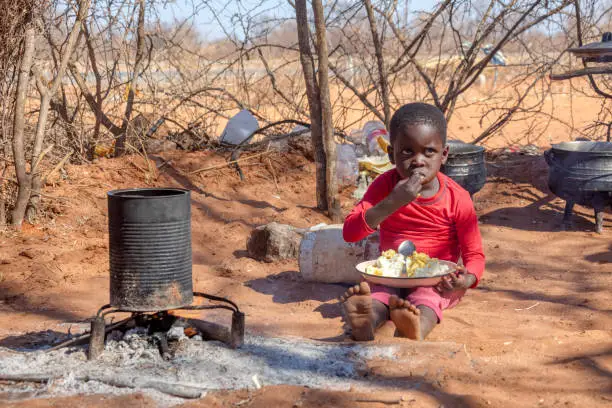
In Kano, 32-year-old Aisha struggles to feed her three children. Her daily meals are dominated by rice, yam, and cassava, staples that provide enough calories but very little iron, zinc, or vitamin A. “I know my children are hungry for nutrients I cannot afford,” she says. Her story reflects a silent epidemic affecting millions of Nigerian families.
In Lagos, 10-year-old Emeka attends school regularly but struggles to concentrate in class. Despite eating breakfast and lunch, his diet lacks essential vitamins. Teachers noticed that he often feels fatigued and falls behind in reading and math; classic signs of hidden hunger. According to GAIN, children in urban Nigeria are increasingly at risk because diets rely heavily on processed, nutrient-poor foods.
The Micronutrient Gap
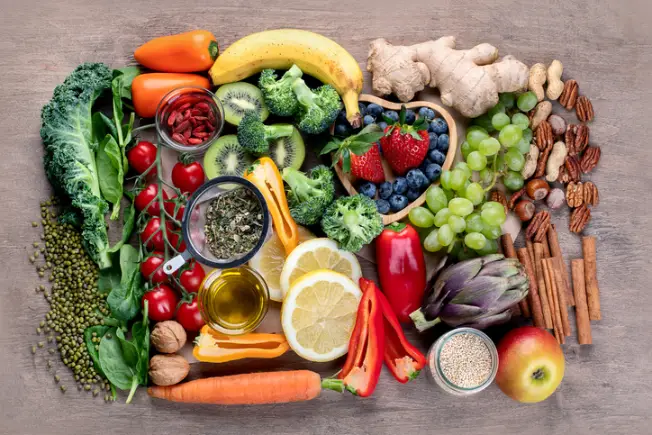
Hidden hunger is driven by insufficient intake of iron, iodine, vitamin A, zinc, and folate. While Nigerians consume staples like rice and maize, these foods alone cannot meet the body’s nutrient requirements. Iron deficiency, in particular, is the leading cause of anemia among women and children. The Food and Agriculture Organization (FAO) reports that anemia affects nearly 60% of pregnant women in Nigeria, increasing the risk of maternal mortality and low birth weight.
Vitamin A deficiency is equally concerning. The World Health Organization (WHO) estimates that it contributes to preventable blindness in children under five and heightens vulnerability to infections. Zinc deficiency, meanwhile, weakens the immune system and slows recovery from illnesses like diarrhea, one of the leading causes of child mortality in Nigeria.
Daily Lives Affected
Hidden hunger manifests subtly. In rural areas, families rely on cereals, cassava, and tubers. While calorie intake may be adequate, lack of diversity leaves households deficient in vital nutrients. Children appear well-fed but may be lethargic, prone to infections, and unable to reach developmental milestones.
Urban families face a different challenge. Busy lifestyles lead to high consumption of fast foods and instant meals that are energy-rich but nutrient-poor. Working mothers may feed children bread, noodles, or fried snacks, enough to satiate hunger but inadequate for growth. Hidden hunger thus affects both urban and rural populations, silently eroding human potential.
Economic and Societal Impact
The effects of hidden hunger extend beyond health. Malnutrition diminishes productivity, increases healthcare costs, and traps families in cycles of poverty. Children with micronutrient deficiencies often underperform academically, limiting future economic opportunities.
According to GAIN, every dollar invested in micronutrient interventions can yield up to $35 in returns through improved health, education, and productivity. Yet, despite the economic rationale, awareness and policy enforcement remain limited, leaving millions exposed to preventable harm.
Regional Differences in Nigeria
Nigeria’s hidden hunger varies by region. In northern states, poverty and limited access to diverse foods exacerbate deficiencies. Southern urban centers, while wealthier, face challenges with processed, nutrient-poor diets. National Bureau of Statistics (NBS) data shows iron and vitamin A deficiencies are prevalent across both rural and urban areas, highlighting that hidden hunger is a nationwide concern.
Socioeconomic factors also play a role. Families in low-income neighborhoods may be unable to afford fresh vegetables, fruits, or animal protein. Even when such foods are available, lack of nutrition knowledge prevents proper dietary choices.
Health Impacts in Depth
Micronutrient deficiencies have long-term consequences. Iron deficiency reduces cognitive ability in children and lowers work performance in adults. Vitamin A deficiency can lead to permanent blindness and increased susceptibility to infections. Zinc deficiencies compromise immune function, making individuals prone to frequent illnesses.
Pregnant women are especially vulnerable. Anemic mothers face higher risks during childbirth, while infants born to malnourished mothers may suffer low birth weight or stunted growth. The cycle perpetuates, as malnourished children often grow into adults with reduced economic and health potential.
Policy and Government Efforts
Nigeria has implemented national nutrition programs, yet gaps persist. Agencies like NAFDAC regulate food fortification, while NASENI promotes biofortified crops. Initiatives such as iodized salt distribution and fortified flour programs have seen localized success, but coverage is inconsistent.

Challenges include inadequate funding, limited awareness campaigns, and poor enforcement. Without comprehensive strategies, millions of Nigerians remain vulnerable. Policymakers must prioritize micronutrient interventions alongside broader poverty reduction and food security programs.
Innovative Solutions
Biofortification is emerging as a powerful solution. Organizations like HarvestPlus promote crops enriched with vitamin A, iron, and zinc, including sweet potatoes, beans, and maize. These crops can be cultivated locally, making nutrient-dense foods accessible and affordable.
Community nutrition education is equally critical. UNICEF Nigeria supports programs that teach families to combine locally available foods to meet micronutrient needs. Supplementation campaigns for children and pregnant women, including vitamin A capsules and iron tablets, have saved countless lives.
Raising Awareness
Hidden hunger thrives in silence. Unlike famine or starvation, symptoms are gradual and easily overlooked. Public education campaigns, school-based programs, and media initiatives are essential to help families recognize and combat micronutrient deficiencies.
Citizens can take small but meaningful steps: incorporating leafy greens, legumes, eggs, and fortified foods into daily meals, and seeking guidance from local health workers. Awareness, when coupled with policy action and community engagement, can dramatically reduce the burden of hidden hunger.
Conclusion
Hidden hunger is Nigeria’s silent health crisis. Millions consume enough calories yet suffer from vitamin and mineral deficiencies that compromise growth, productivity, and well-being. Tackling this requires awareness, dietary diversification, fortification programs, supplementation, and policy support.
By illuminating hidden hunger, Nigeria can protect its future ensuring that children grow strong, adults remain productive, and communities thrive. The crisis is silent, but its solutions are visible and within reach.