The Unsolved Disappearance Still Haunting Nigeria Seven Years Later: Where Is Dadiyata?
Seven years after Idris Abubakar Dadiyata was abducted outside his Kaduna home, Nigeria is still searching for answers. What is the mystery behind his disappearance? and why does his disappearance continue to raise questions about justice, accountability, and free speech?
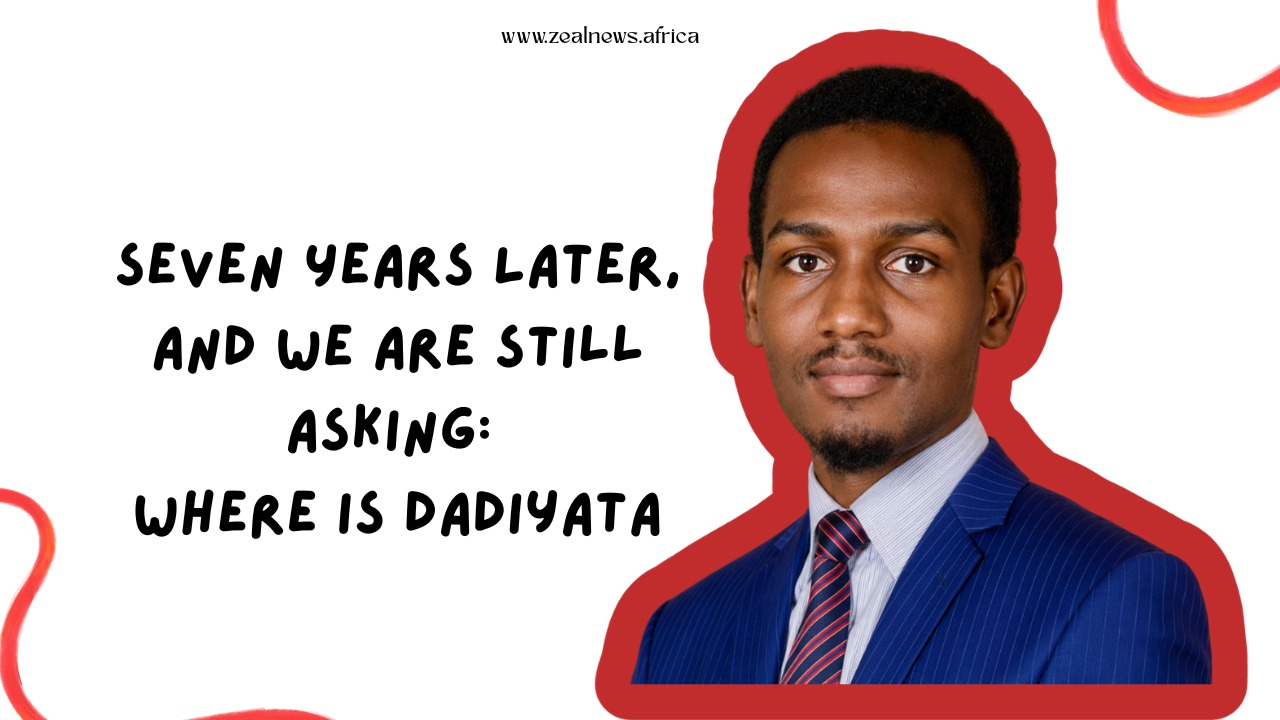
"The greatest tragedy is not oppression. It is silence in the face of oppression." — Idris Abubakar (Dadiyata)
Seven years is a long time in the life of a nation. It is long enough for governments to change, for political movements to rise and fade, and for entire generations of students to graduate from university.
Yet despite the passage of time, Nigeria still cannot provide a definitive answer to one of its most disturbing unresolved mysteries: What happened to Idris Abubakar Dadiyata?
The disappearance of Dadiyata is no longer simply the story of a missing lecturer or social media commentator. It has evolved into a national conversation about accountability, freedom of expression, justice, and the responsibilities of a democratic state.
For years, his family has searched for answers, human rights organizations have demanded investigations, and ordinary Nigerians have continued to ask the same question that first emerged on the night of August 2, 2019.
Where is Dadiyata?
The Disappearance That Shocked Nigeria
Idris Abubakar Dadiyata was a lecturer at the Federal University Dutsin-Ma in Katsina State, but he was perhaps better known for his political activism and social media presence. Through Facebook and other online platforms, he built a reputation as a fearless commentator who openly expressed his views on governance, politics, and public affairs.
His posts attracted both admiration and criticism, particularly because of his strong political opinions and his support for the Kwankwasiyya movement.
On the evening of August 2, 2019, Dadiyata reportedly arrived at his residence in Barnawa, Kaduna State. According to accounts provided by family members and widely reported by the media, armed men intercepted him outside his home and forcefully took him away.
His wife reportedly witnessed the incident, while neighbours described a coordinated operation that happened within minutes.
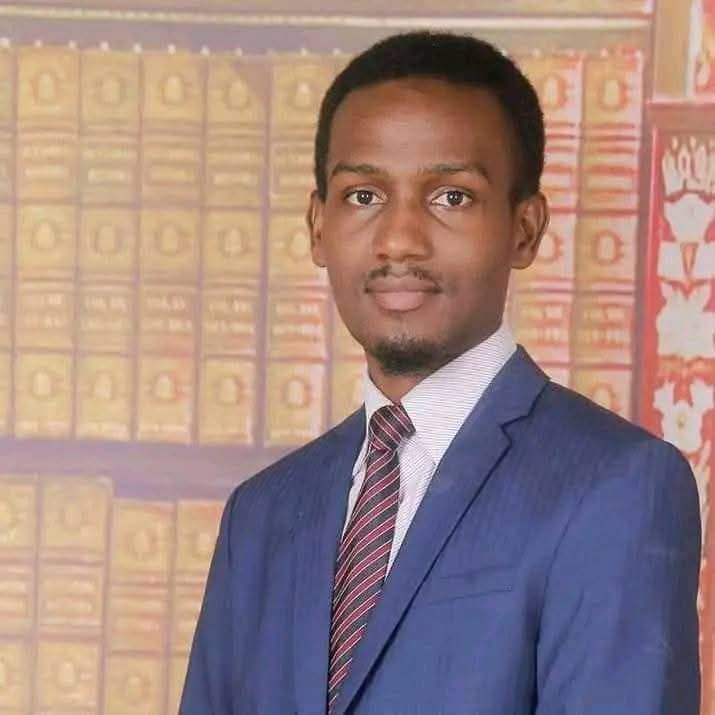
Dadiyata was 34 as at the time of his abduction, married to Khadijah Ahmad for six years and living in the Barnawa Area of Kaduna with his wife and two daughters.
What followed was an immediate wave of concern. Family members contacted security agencies, friends launched online campaigns, and activists began demanding answers.
Many expected that authorities would quickly identify those responsible and determine Dadiyata's whereabouts. However, days turned into weeks, weeks became months, and months eventually stretched into years without any clear explanation emerging.
The mystery surrounding his disappearance generated widespread speculation. Some believed it was politically motivated because of his outspoken criticism of powerful individuals.
Others suggested it could have been connected to other factors unrelated to politics. Yet despite the numerous theories, none have been conclusively proven. What remains indisputable is that a man disappeared and that, years later, neither his family nor the Nigerian public has received a definitive account of what happened.
The case attracted national and international attention because it occurred within a broader climate in which concerns about freedom of expression and civic participation were becoming increasingly prominent.
Human rights advocates argued that the disappearance raised serious questions about the safety of citizens who use public platforms to criticize those in authority.
A Confession That Raised More Questions Than Answers
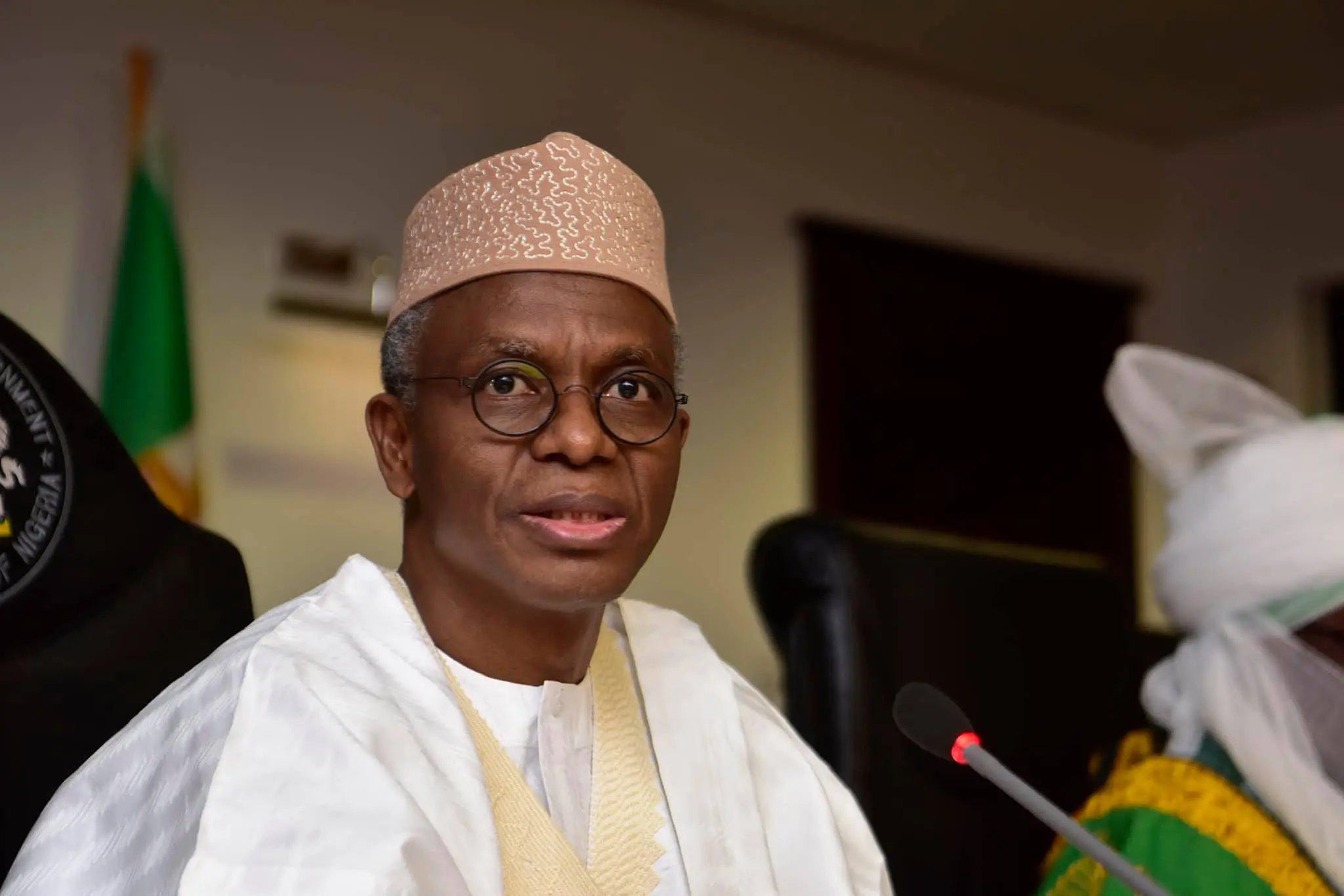
In February 2026, Dadiyata's disappearance returned forcefully to the centre of national debate after a dramatic claim by a former governor. During an interview on Arise Television on Friday, February 13, 2026, former Kaduna State Governor Nasir El-Rufai stated that Dadiyata may have been taken by individuals linked to the state.
Even more disturbing was his claim that, years after the abduction, a police officer allegedly admitted involvement in the operation. Yet according to the account, that alleged admission did not lead to arrests, prosecutions, or any visible pursuit of justice.
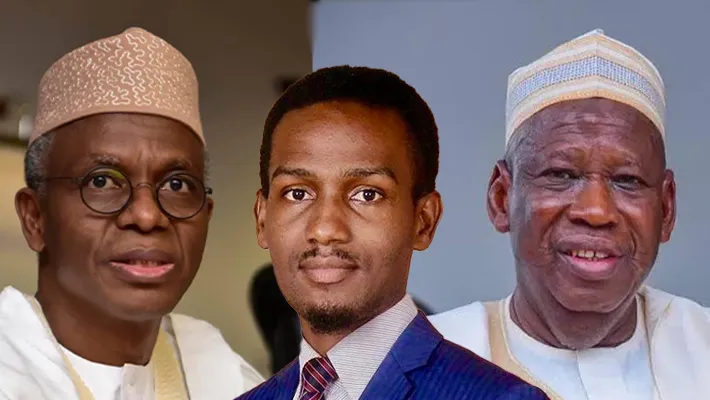

El-Rufai described the alleged confession this way:
"Three days after Dadiyata's abduction, a policeman posted from Kano to Ekiti confessed to someone that they were sent from Kano and abducted Dadiyata, and felt bad about it."
The weight of that claim cannot be overstated. It suggested that a serving police officer, someone empowered by the state to protect citizens, may have acknowledged participation in the unlawful seizure of a Nigerian citizen.
If true, such a statement should have triggered an urgent criminal investigation. Instead, for years, it appeared to remain outside the formal path of accountability.
El-Rufai also tried to distance himself from responsibility, arguing that Dadiyata was more closely associated with criticism of the Kano State government under Abdullahi Ganduje than with Kaduna politics.
He stated that Ganduje was the one Dadiyata had issues with and claimed he did not know of Dadiyata until after the abduction, and Ganduja alsodenied El-Rufai’s Allegation.
But that explanation leaves serious gaps. Dadiyata was living in Kaduna. He was seized in Kaduna. At the time, El-Rufai was the governor of Kaduna State and, by virtue of that office, the state's chief security officer. Whatever political enemies Dadiyata may or may not have had elsewhere, the fact remains that he disappeared within Kaduna's territory.
El-Rufai's suggestion of Kano involvement becomes even more complicated when placed beside events that followed the abduction.
The Streets Refuse to Forget
The renewed national attention has not stayed within newsrooms, television interviews, or political circles. It has also returned to the streets, where citizens have continued to demand answers.
In February 2026, young people in Kaduna marched to the Government House to call for a full probe into El-Rufai's role and the wider circumstances surrounding Dadiyata's disappearance. One of the organizers, Joseph Chori, described the case as an unresolved wound that still pains the people of Kaduna.
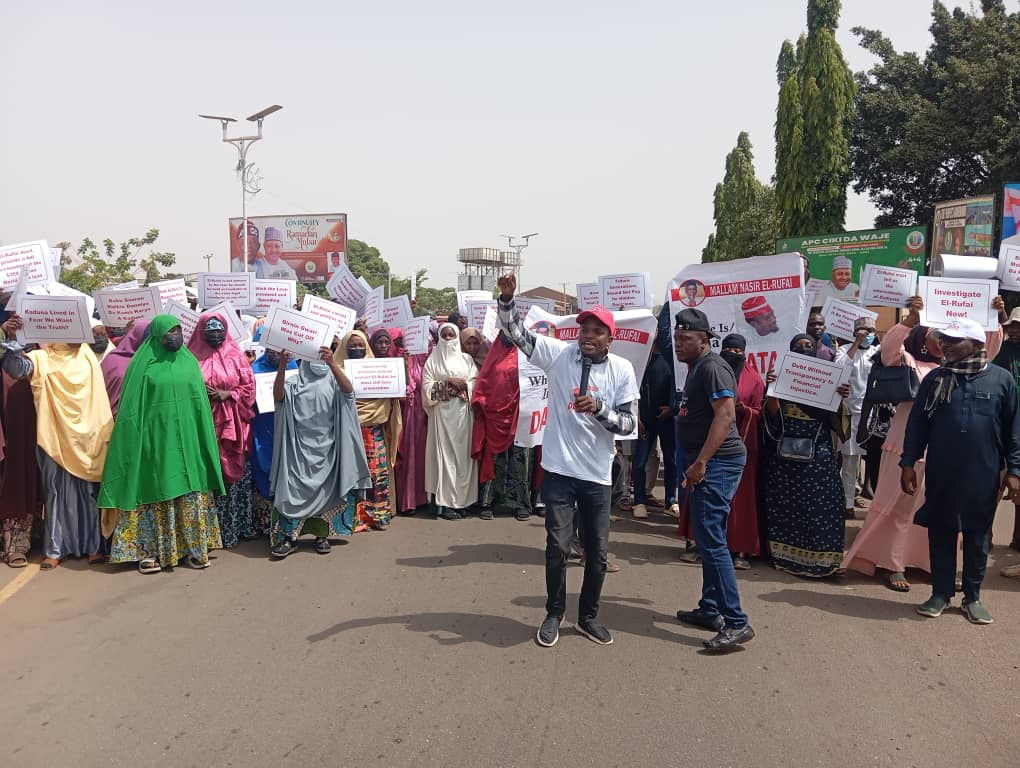
He said a family was still waiting and that Kaduna itself was still asking what really happened.
Human rights groups also continued to raise their voices. Amnesty International pledged to keep advocating for Dadiyata and others believed to have suffered similar forms of repression.
The organization warned that Nigeria's civic space remained under pressure, with concerns about online harassment, arbitrary arrests, and intimidation of activists and journalists.
The demand from rights defenders is simple: delay must not be allowed to defeat justice. Someone must answer for what happened. Years of silence have already inflicted enough damage.
Dadiyata's case carries a message that should alarm every citizen. If a person can disappear after speaking out, then freedom of expression becomes fragile. A democracy cannot allow fear to become the price of criticism.
So Where Is Dadiyata?
Dadiyata deserves the truth. Khadijah deserves release from this endless waiting. His children deserve answers. His parents deserved to know what happened before pain and age took their toll. Nigerians deserve to know whether a citizen was abducted by those meant to protect him.
Seven years after Idris Abubakar Dadiyata was taken outside his home in Kaduna, the question remains painfully alive:
Where is Idris Abubakar Dadiyata?
Until the country receives a credible answer, his disappearance will remain a stain on Nigeria's conscience and a reminder of how far the nation still has to go in protecting freedom, justice, and the rule of law.
And until those responsible are exposed and held accountable, the silence surrounding this case will remain one of its cruelest crimes on about democracy, freedom of expression, and the rule of law.