Your AC Might Be Cooling You Down, But It Could Also Be Drying Out Your Body
Air conditioning has become a daily necessity for millions, yet doctors say most people have no idea what hours of exposure can do to the body.
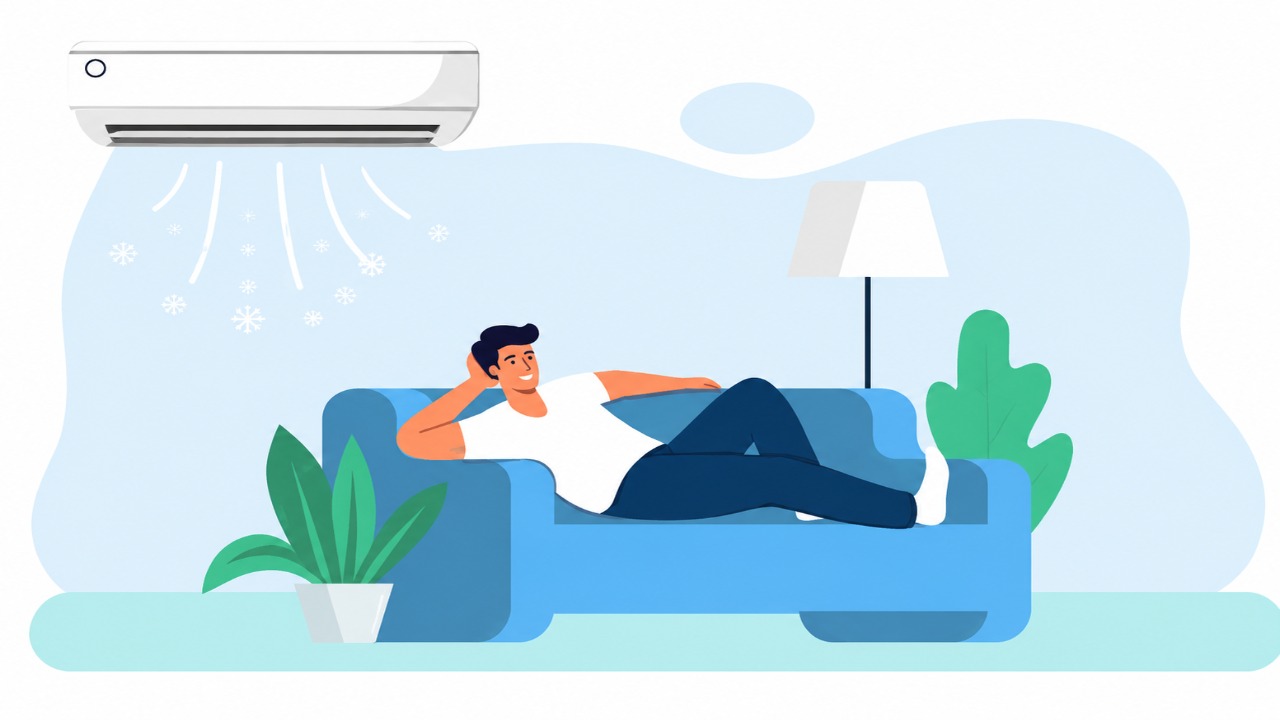
After walking under the blazing afternoon sun in Lagos, Abuja or Port Harcourt, stepping into an air conditioned room feels like instant salvation. Once the heat starts climbing above 30°C, many of us don't think twice before reaching for the AC remote.
But while air conditioning makes life much more comfortable, doctors say it comes with a few trade-offs that most people never think about.
The problem isn't that air conditioners are bad for you. In fact, they can help prevent heat exhaustion and make it safer to get through periods of extreme heat. The issue is what happens when you're surrounded by cool, dry air for hours every day.
That constant drop in humidity can quietly affect your skin, eyes, nose, throat and even your lungs. If you've ever left the office with dry lips, a scratchy throat or burning eyes and blamed the weather, your air conditioner may have had something to do with it.
Your Skin, Eyes and Throat Feel the Effects First
If you've noticed your skin feeling unusually dry after spending the day in an air conditioned office, you're not imagining it.
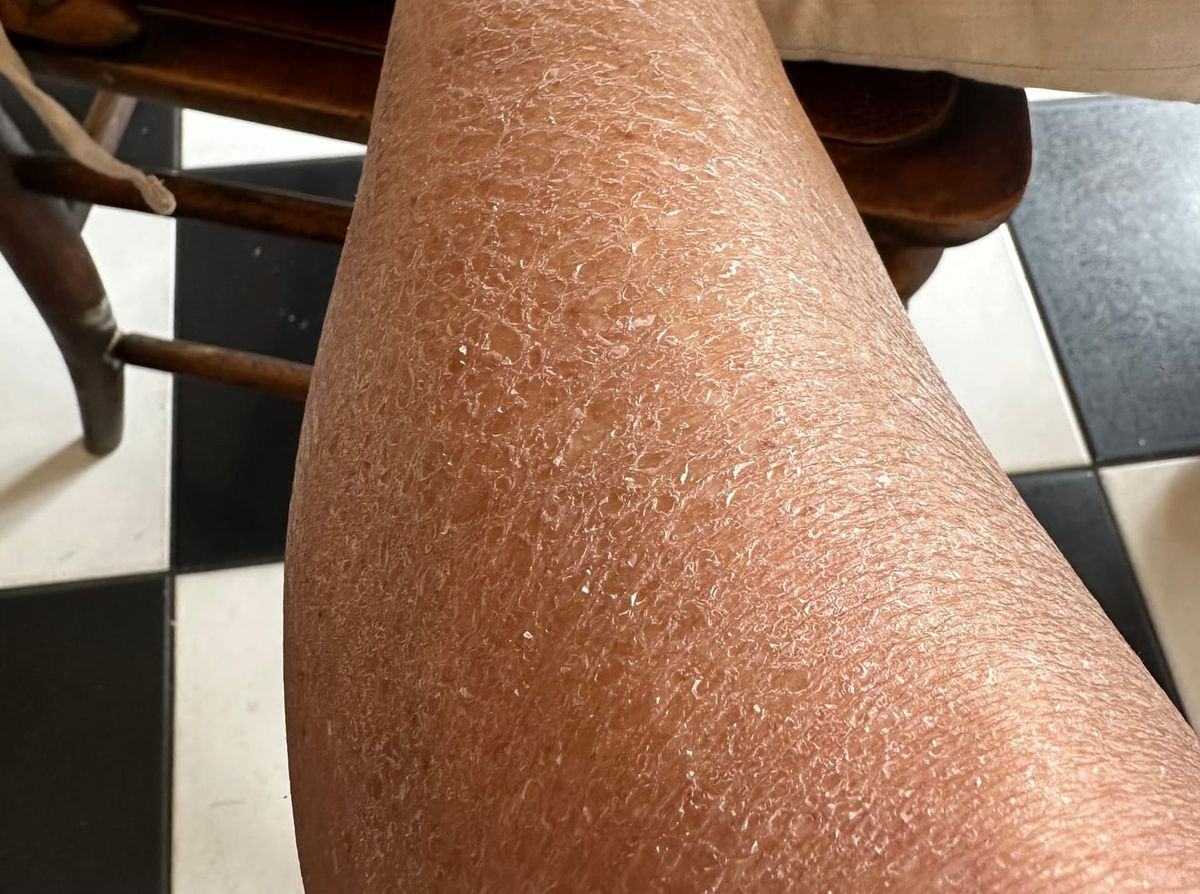
According to Dr. Opel Baker, a general practitioner at Mayfield Clinic in Brighton & Hove, air conditioners remove moisture from the air as they cool a room. That lower humidity also increases the amount of water your skin loses.
The result can be skin that feels tight, flaky or itchy. For people who already deal with eczema or naturally dry skin, the difference can be even more noticeable.
Your lips can suffer too. It's one reason many people find themselves reaching for lip balm after spending hours indoors, even when they drank enough water earlier in the day.

Your eyes aren't spared either.
If you've ever spent the whole day in the office staring at your laptop only to get home with burning or gritty eyes, dry air may be partly responsible.
Dr. Baker says simply blinking more often can help restore moisture to the eyes. Lubricating eye drops can also make long days in air conditioned spaces much more comfortable.
Then there's your nose and throat.
Many people wake up in hotel rooms with a sore throat after sleeping with the AC running all night. Others notice their voice sounding slightly hoarse after spending the day in a heavily air conditioned office.
That's because your nose and throat rely on moisture to do their job properly.
Since mucus helps trap dust, bacteria and viruses before they enter the lungs, drying it out can weaken part of your body's natural defence system.
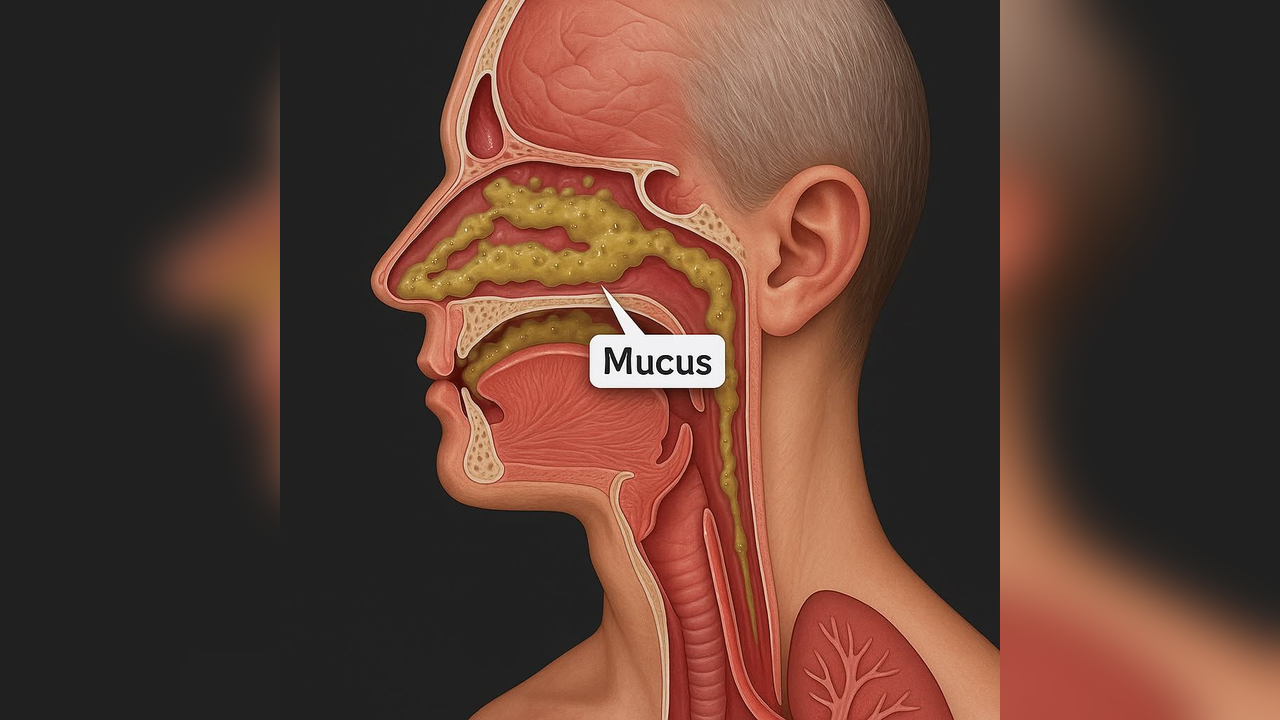
Some people may even experience nosebleeds because the inside of the nose becomes so dry that tiny blood vessels crack more easily.
Your Lungs Notice It Too, Especially If the AC Isn't Clean
The air conditioner itself isn't even the problem; a poorly maintained one is.
Dirty filters can circulate dust, mould and pollen around a room instead of trapping them. For someone living with asthma or seasonal allergies, that can quickly become uncomfortable.
Dr. Baker says neglected air conditioning systems may irritate the lungs and trigger asthma symptoms, while Dr. Hooper notes that contaminated systems may also increase the risk of respiratory infections.

If someone already has an underlying lung condition, even a minor infection can become much harder to recover from.
Then there are the headaches and body aches that many people complain about after sleeping with the AC on throughout the night.
You've probably heard someone say, "I slept with the AC and woke up feeling somehow."
There's actually a reason for that.
According to Dr. Baker, dehydration is often the biggest culprit. Cool, dry air slowly pulls moisture from the body, and many people don't realise they're becoming dehydrated because they aren't sweating the way they would outdoors.
Cold air blowing directly onto your neck or shoulders can also cause muscles to tighten, leaving you feeling stiff the next morning.

You Don't Have to Switch Off Your AC. Just Use It Smarter.
None of this means you should stop using air conditioning.
Let's be honest. During a Nigerian heatwave or when PHCN finally brings light after hours of outage, nobody is rushing to switch the AC off.
Doctors simply recommend using it more thoughtfully.
Start with the easiest habit of all. Drink more water than you think you need. Your body loses moisture gradually in air conditioned spaces, even when you don't feel thirsty.
Your skin also benefits from a good moisturiser, especially if you spend long hours in an office.
Choose moisturisers that contain ingredients such as glycerin or hyaluronic acid because they help attract and retain water in the skin.
If your lips crack easily, keep a lip balm nearby instead of waiting until they become painfully dry.
For people who wear contact lenses, taking short breaks from them or using lubricating eye drops can make a noticeable difference on days when the AC is running continuously.
Adding moisture back into the room can also help.
Keep houseplants indoors because they naturally release small amounts of moisture into the air. If you use air conditioning regularly at home, a humidifier can also reduce the dryness many people experience.
If you're driving, try adjusting the air vents so cold air isn't blowing directly into your face. It sounds like a small thing, but it can reduce irritation in your eyes and throat during long journeys.
One habit that's often overlooked is maintaining the air conditioner itself.
Cleaning or replacing filters regularly helps stop dust, mould and pollen from circulating around your home. If you've ever switched on an AC and noticed a musty smell filling the room, that's usually a sign it needs servicing.
Finally, ask yourself whether the air conditioner really needs to stay on all day.
Many of us switch it on automatically because the weather is hot outside, even when the room itself still feels comfortable. Waiting until temperatures actually rise indoors can reduce unnecessary exposure to dry air while still keeping you cool when it matters most.
Air conditioning has become part of daily life, especially in places where the heat can feel relentless for months at a time. It keeps homes comfortable, offices productive and sleep far more bearable on humid nights.
The trick isn't to fear it. It's to use it wisely. A clean AC, plenty of water and a few small adjustments can help you enjoy the cool air without dealing with the dry skin, scratchy throat and burning eyes that sometimes come with it.