The Unsexy Businesses That Actually Make Money: Nigeria’s Hidden Millionaires
While social media glorifies tech startups and influencer fame, Nigeria’s quiet millionaires are making their fortunes in “unsexy” sectors, from waste recycling to water supply. This is the real economy that keeps the nation running.
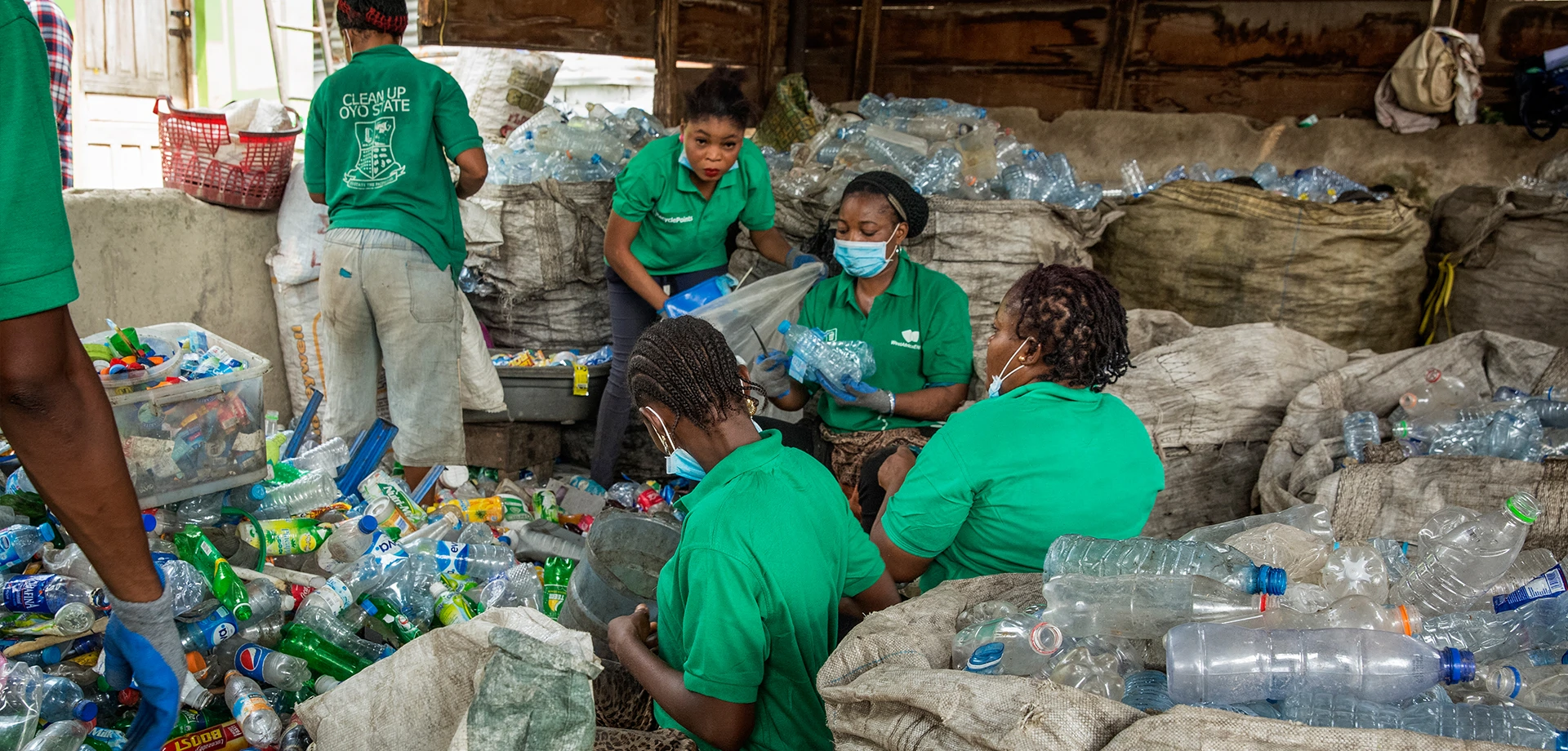
In a world obsessed with luxury and lifestyle, some of Nigeria’s richest people are wearing rubber boots, not designer shoes. Away from the spotlight of tech conferences and influencer deals, they build empires from “dirty,” “boring,” or “ordinary” trades. These are the unsexy businesses, the true engines of Nigeria’s wealth, quietly churning profit while everyone else scrolls through the illusion of success.
For every viral fintech founder, there’s a waste collector turning garbage into gold. Resilience defines this hidden economy. In Lagos, Ibadan, and Port Harcourt, thousands of small-scale entrepreneurs are proving that glamour doesn’t pay bills, consistency does. From logistics firms moving goods across chaotic highways to cold room owners supplying markets, Nigeria’s economy is sustained by people who rarely trend online but thrive offline.
One such field is waste recycling, a business that’s transforming both the environment and personal fortunes. Companies like RecyclePoints and Wecyclers are redefining value by monetizing what others throw away. Wecyclers, founded in Lagos, uses low-cost cargo bikes to collect recyclable waste from homes, rewarding participants with points redeemable for household goods. The idea may sound mundane, but the impact is monumental, cleaner communities, reduced landfill pressure, and a viable income stream for hundreds. Sustainability has never been this profitable.
Another goldmine? Water distribution. In a country where access to clean water remains inconsistent, tanker suppliers and borehole operators quietly rake in millions monthly. The demand is perpetual. From Abuja’s new estates to rural communities, water is not just a basic need, it’s a booming business. Companies like Pureflow Water Systems and countless neighborhood water sellers have capitalized on this gap, building reliable client networks through sheer consistency. While influencers debate “passive income,” these vendors are running Nigeria’s most recession-proof trade.
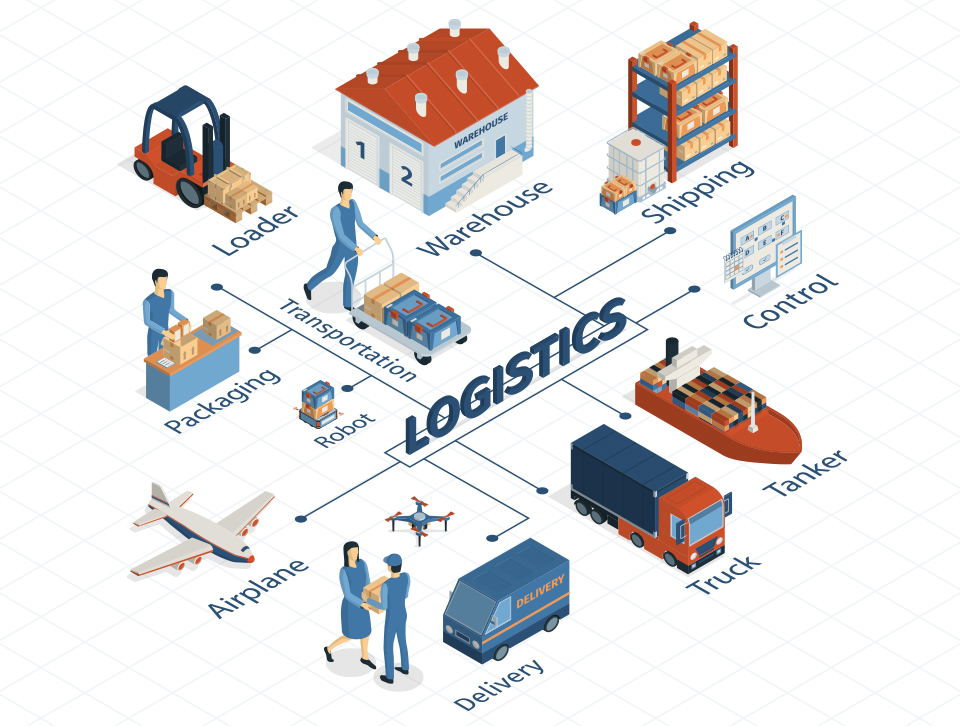
Logistics is another overlooked sector fueling everyday commerce. The pandemic accelerated the need for delivery services, and firms like Kwik Delivery and GIG Logistics have built massive networks serving both e-commerce platforms and SMEs. What seems like mere bike deliveries is actually a logistical ballet, managing fuel costs, route optimization, and delivery reliability in cities known for gridlock. Those who mastered the system are now minting steady profit margins while others chase viral trends. The lesson is simple: efficiency beats elegance.
The laundry business tells a similar story. Dry cleaning is not glamorous, but in cities like Lagos, it’s indispensable. Middle-class professionals outsource convenience, creating steady cash flow for laundromat owners. It’s not uncommon for established dry-cleaning firms to earn upwards of ₦1 million monthly, depending on scale and clientele. What started as a humble service is now a structured enterprise model with digital booking systems and subscription packages. In a nation where presentation matters, cleanliness pays.
Agriculture remains another unsexy heavyweight. Poultry farms, cassava mills, fish hatcheries, these ventures don’t sparkle on Instagram, yet they sustain the livelihoods of millions. Government initiatives like NIRSAL have boosted agricultural financing, but it’s small and medium-scale farmers who have truly rewritten the story. A single-acre cassava farm, efficiently managed, can yield over ₦500,000 profit per harvest. The irony? While the digital generation scrolls past such opportunities, older entrepreneurs quietly expand their acreage and their bank accounts.

Let’s not forget cleaning and sanitation services. In cities where new construction booms daily, post-construction cleaning has become a niche goldmine. Entrepreneurs like Mary from Surulere run cleaning teams that service office buildings, private estates, and events. With proper structure, equipment, and contracts, her business scaled from weekend gigs to employing over a dozen staff. “It’s not glamorous,” she says, “but it pays every month.” In Nigeria’s unpredictable economy, stability is the new luxury.
Even barbing salons and tailoring shops, staples of daily life now form part of Nigeria’s resilient small-business ecosystem. By leveraging branding and customer trust, local entrepreneurs are elevating these trades into middle-class livelihoods. The growth of micro-financing institutions and digital payments through services like Moniepoint have helped these ventures formalize transactions and manage expansion. It’s a reminder that value doesn’t need virality, just vision.
What ties all these “unsexy” sectors together is cash flow. Unlike speculative startups or influencer income that depends on algorithms, these businesses solve daily human needs; food, water, hygiene, movement. Their profits are predictable because their problems never disappear. A logistics rider may never appear on Forbes, but his services will always be needed; a cassava mill may never trend on X, but its products will always sell.
Experts agree that Nigeria’s informal economy is a financial giant hiding in plain sight. According to the World Bank, over 65% of Nigeria’s workforce operates in informal sectors, contributing nearly half of the GDP. That means the real money isn’t always where the hashtags are, it’s in the quiet, consistent hum of everyday commerce. Persistence, not popularity, drives profit.
However, challenges persist. These industries face operational hurdles like poor infrastructure, inconsistent power supply, and inflation. Entrepreneurs in the logistics and water sectors often cite high diesel costs and maintenance issues. Yet, they persist, finding creative ways to survive, such as solar-powered boreholes or digital payment integration. What might look simple from afar is a daily exercise in problem-solving and grit.
Interestingly, this trend is reshaping Nigeria’s youth mindset. As quick-rich schemes lose credibility, young entrepreneurs are revisiting traditional trades with modern efficiency. Social media pages once dedicated to “tech bros” now highlight fish farmers, thrift store owners, and repair shop innovators. A new class of digital artisans is emerging practical, disciplined, and quietly ambitious. They’re not chasing fame; they’re chasing freedom.
Some experts even call this the “real economy renaissance.” As inflation bites and flashy jobs shrink, Nigerians are redefining what success looks like. The pride once reserved for white-collar work now extends to plumbers, welders, and recyclers who’ve mastered their craft. Entrepreneurship is no longer about prestige; it’s about problem-solving and that, ironically, is what’s truly profitable.
At its heart, the story of Nigeria’s unsexy businesses is a story of survival, adaptability, and quiet innovation. From the barbershops of Benin to the fish farms of Ogun, the same truth rings loud: there is dignity and wealth in service. The digital world may celebrate aesthetics, but the real Nigeria still runs on the sweat and strategy of people who keep things moving.
So the next time you scroll past someone boasting about a crypto win or influencer deal, remember this: the smartest money in Nigeria often smells like fuel, detergent, or fresh produce. And while everyone else is chasing trends, the real winners are building steady empires, one unglamorous job at a time.