The Therapy Stigma: Why Many Africans Still Don’t Trust Mental Health Services
This piece explores the stigma around therapy and mental health in African societies, challenging silence with truth, healing, and culturally sensitive care.
.jpeg)
Written By: Unusere Precious
Depression, mental health crises, heartbreak, and therapy-related issues are often misunderstood or dismissed by many African parents and within broader African society as a not-so-serious matter.
Society would tell you to be strong when all you want to do is cry. To keep quiet when your chest tightens. To pray when your thoughts begin to spiral. “You’re not the only one with problems.”
They'll tell you. You grow up learning that pain is private, and if you're a man, showing emotions is considered weakness, and therapy is a white man’s solution.
There is a silent struggle millions of Africans are facing, navigating their mental health in cultures where emotions are hushed, and therapy is not just shunned by feared. Our mental health matters, and it’s time we talked about it.
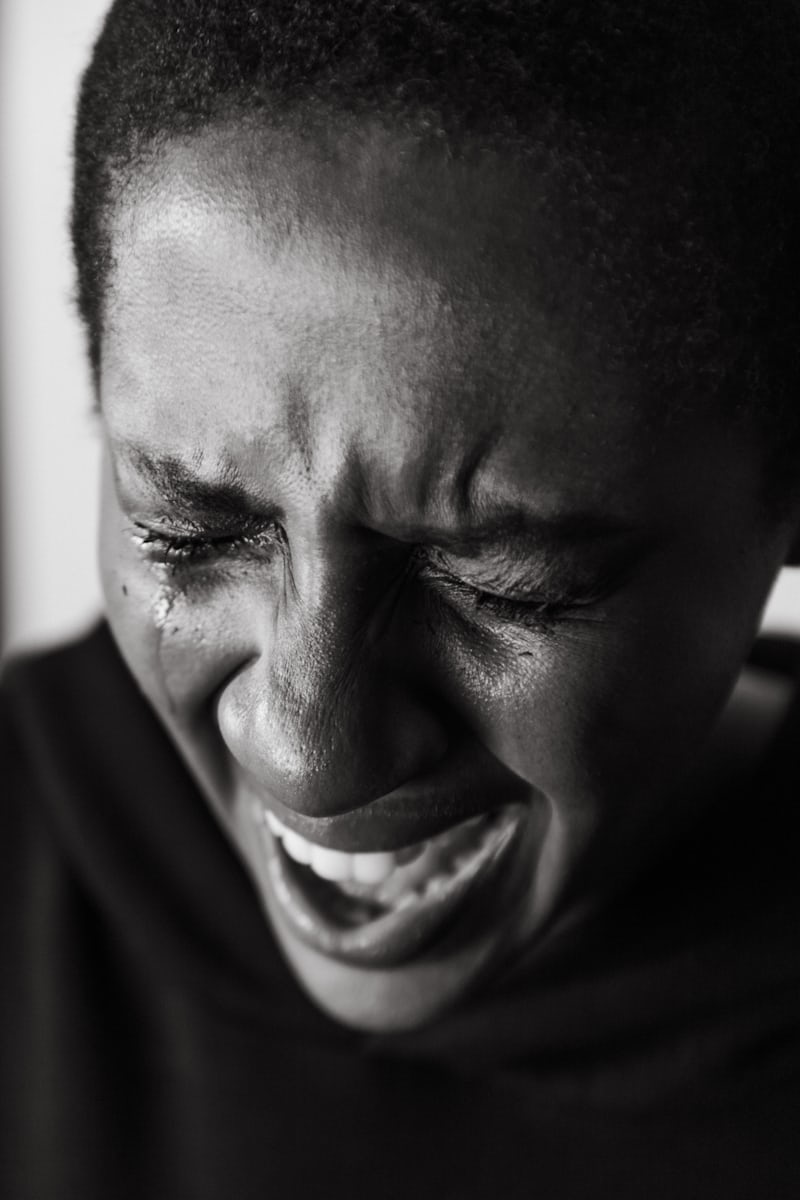
Photo credit: Ezechiel Kouassi - Unsplash
Therapy And Mental Health Awareness: A Tool For Change Or Shame
Therapy, as defined by the Cambridge Dictionary, is a treatment that helps someone feel better, grow stronger, etc., especially after an illness.
Mental health, as defined by WHO, is a state of mental well-being that enables people to cope with the stresses of life, realize their abilities, learn well, and work well, and contribute to their community.
There is a stigma felt in the atmosphere when you mention therapy in any room you find yourself. Many Africans are still skeptical about mental health services and therapy being given to others.
While conversations around mental health have gained momentum globally, many Africans still view therapy as a foreign, unnecessary, or even shameful act.
In many African households, emotional struggles are either spiritualized, dismissed as weakness, or suppressed in silence.
Therapy is not just a matter to be discussed, it's a tool for change and we shouldn't be ashamed to ask for help, because asking for help is a strength itself.
Photo Credit: The Guardian Website.
According to WHO ( 2022), across the African Region, more than 116 million people were estimated to be living with mental health conditions, and few people in Africa have access to quality mental health care.
In Nigeria, it’s estimated that more than 60 million people suffer from some form of mental illness, but there are only about 250 psychiatrists serving a population of over 200 million.
Why Do Many Africans Still View Therapy as Taboo?

Many Africans view therapy as taboo, sharing their personal life with a complete stranger, as everyone should mind their business, and if they are going through anything, they are quick to spiritualize it, not disputing the fact of the existence of divinity and its effects on life itself, but the emphasis on it by Africans is religiously disturbing.
For generations, African families have leaned on tradition, religion, and community for healing, not trained professionals.
Talking to a stranger about private issues is seen not only as airing dirty laundry but as disrespecting one’s upbringing or family structure.
In many households, emotional struggles are brushed aside with statements like “you’ll be fine,” “pray about it,” or “just toughen up.” Mental health issues are often spiritualized, usually interpreted as signs of witchcraft, curses, or demonic attacks. Instead of seeking therapy, people are advised to fast, go for deliverance, or seek traditional remedies.
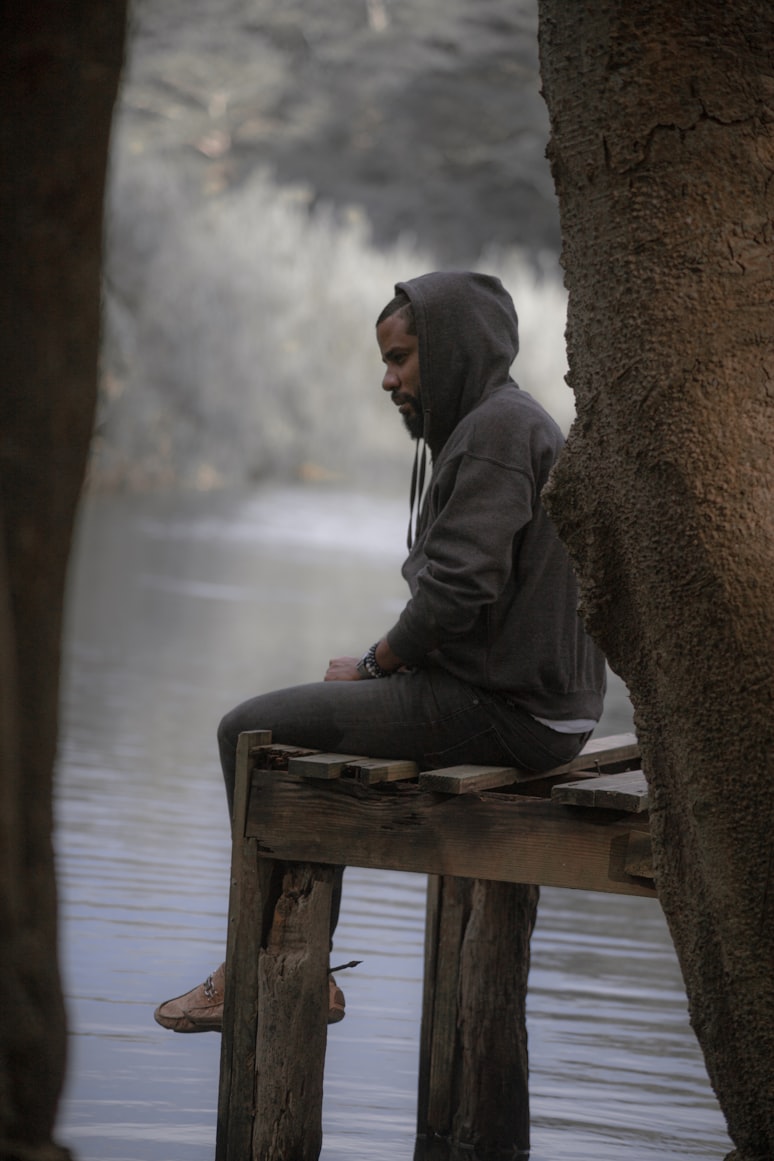
Photo Credit: Julio Andres Rosario Ortiz - Unsplash
There’s also a prevailing culture of silence, particularly among men, where vulnerability is equated with weakness. From a young age, boys are told to "man up" and hide their emotions, while women are expected to endure pain quietly in the name of strength and sacrifice.
Admitting you need therapy feels like betraying that unspoken code of endurance.
What Cultural or Religious Beliefs Reinforce Mental Health Stigma?
Across many African communities, cultural and religious ideology shape how people interpret emotional distress, and too often, they reinforce silence over support.
Mental health struggles are not viewed as medical conditions, but as moral, spiritual, or supernatural problems.
Depression might be seen as laziness.
Anxiety is brushed off as worry that prayer can fix.
Psychosis? Often believed to be a curse,a spiritual attack, or evidence of ancestral punishment.
Religious doctrines can further entrench this mindset. In some settings, mental illness is treated as a spiritual weakness or, in some scenarios, a result of sin. Instead of counseling, sufferers are directed toward prayer camps, fasting, and exorcisms.
While faith can be a powerful source of strength, it can also be misused to suppress legitimate cries for psychological help.
How is Unaddressed Trauma Passed Across Generations?
Trauma is not always visible; sometimes, it hides and whispers quietly through
Parenting styles
Emotional distance,
Inherited silence and strife.
In many African homes, trauma is passed down not only through stories but also through what is left unsaid.
A father who grew up in war or poverty might never speak of it, but raises his children with a constant sense of fear or urgency. A mother who endured abuse might never process her pain, but she raises her daughters to be silent, submissive, and self-sacrificing.
Children learn these behaviours not because they are told, but because they are shown. And over time, it becomes a coping mechanism.
These patterns create emotionally disconnected generations, people who survive but do not heal. The stigma surrounding therapy reinforces this cycle.
What Does Culturally Sensitive Therapy Look Like in an African Context?
For therapy to truly resonate across African societies, it must reflect the realities of those it serves. That means
Acknowledging the role of extended family
The influence of religion
The communal values that shape identity and resilience.
A culturally attuned therapist understands that an African woman hesitating to speak about her marriage is not being “closed off”—she is navigating the unspoken codes of loyalty, respect, and survival.
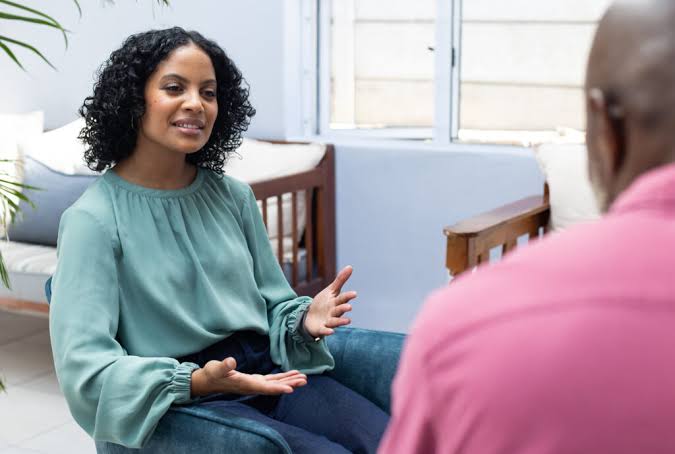
Photo Credit: AMR Therapy - Unsplash
Culturally sensitive therapy doesn’t dismiss faith, proverbs, or traditional healing; it creates space for them. It honors values, and sometimes even meets clients in the spaces they already trust, like churches, schools, or even online platforms.
Leading the Shift in Mental Health Awareness and Access Across Africa?
Across the African continent, a quiet but powerful revolution is underway, led by therapists, advocates, content creators, and community-based organizations who are dismantling the silence around mental health.
From Nigeria to Kenya, Ghana to South Africa, young mental health professionals are using digital platforms to educate, normalize therapy, and offer resources in local languages and culturally familiar formats.
Organizations like Mentally Aware Nigeria Initiative (MANI), Mental 360 in Kenya, and She Writes Woman are reshaping public perception, offering counseling hotlines, peer support networks, and community outreach programs. These groups are bridging the gap between professional services and grassroots healing, especially in areas where access is limited.
Religious leaders, schools, and communities across Africa are beginning to embrace mental health awareness. Churches, mosques, and universities are introducing support systems like wellness seminars and counseling services.
This growing shift isn’t driven by governments alone, but by everyday Africans who are breaking the silence and reshaping mental health narratives with healing, hope, and collective support.
Conclusion: Africans Can Embrace Therapy.
Mental health in Africa shouldn't be said in whispers; let it become a conversation that we can all share with one another, because despite growing awareness, therapy remains burdened by years of silence, shame, and misunderstanding.
Healing is something that mustn't come through prayer alone. Times are changing; as both young and old people reclaim their voices, as cultural beliefs are re-examined, and as more Africans embrace both tradition and transformation, a new definition of strength is emerging, one that includes asking for help.
Mental health and therapy aren’t just a Western concept; it’s a human reality, and Africans should embrace it. And until we stop treating therapy as taboo, true healing will remain out of reach.