The Surprising Mental Health Effect of Some Colors
Our mental states often swing between peace and distress, shaped by more than just thoughts. Learn how the colors around us can subtly impact anxiety, depression, ADHD, Bi-Polar disorder and overall emotional well-being.
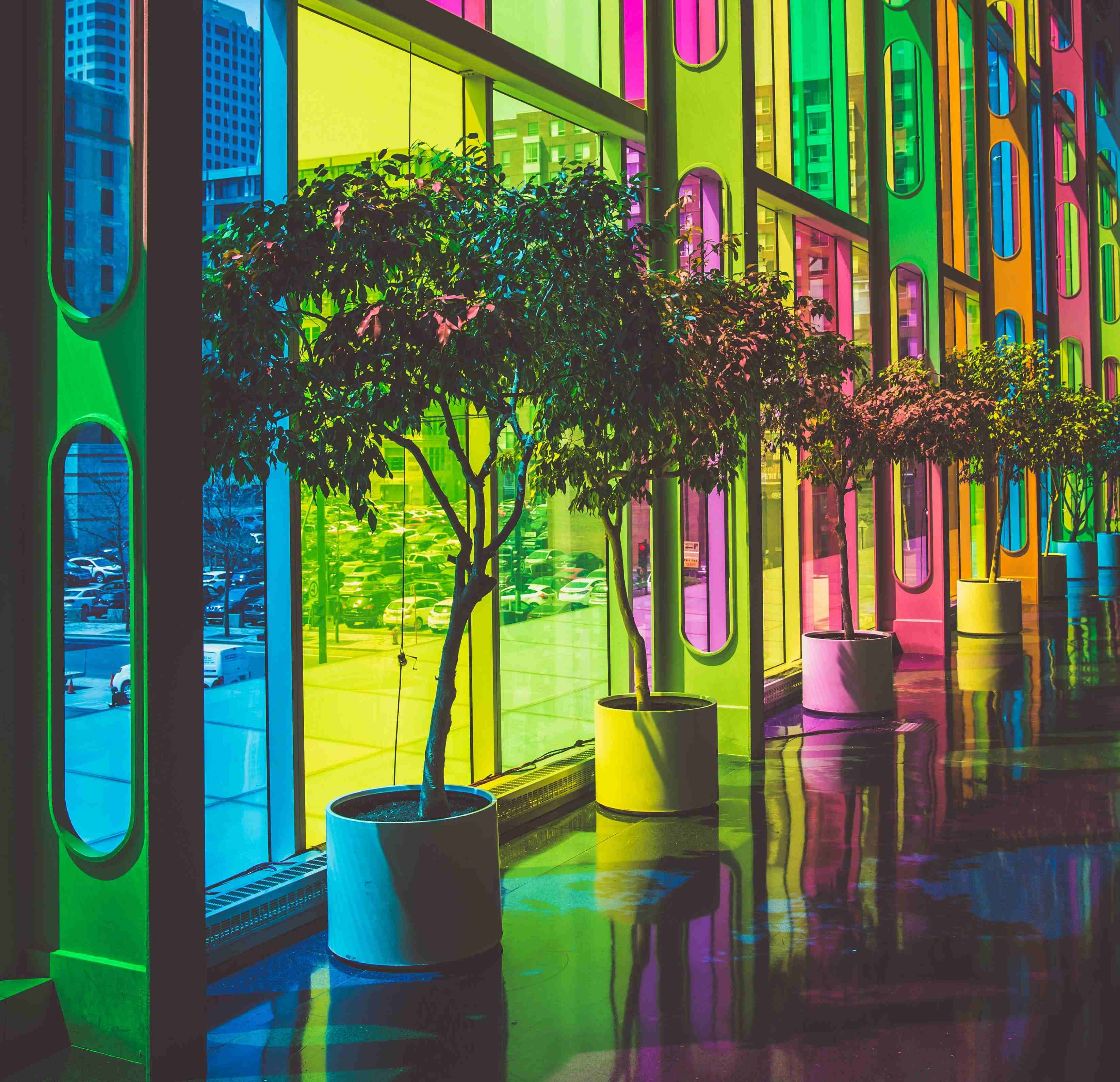
Our minds are complex. Sometimes, they feel calm and clear. Other times, they become tangled in worry or sadness. Two of the most common mental health challenges many people face are anxiety and depression. Understanding what these conditions are—and how something as simple as the colors around us can influence them—can help us create home environments that nurture our well-being. Colors aren’t just random pigments. They are light waves of different lengths and frequencies.
Neuroscientific Evidence
Brain Activity and Color
EEG studies show that different colors elicit distinct patterns of brain activity. For example, green increases beta oscillation in early sensory processing, while blue decreases theta power in the occipital region, suggesting enhanced cognitive efficiency. Red increases arousal-related brain rhythms, supporting its energizing effect.

Physiological Mechanisms
Color exposure can alter heart rate, blood pressure, and hormone levels, further supporting its impact on mood and behavior
What Exactly Are Anxiety and Depression?
Anxiety is more than just feeling nervous before a big event. It’s a persistent state of worry, fear, or unease that can interfere with daily life. People with anxiety might feel restless, have trouble concentrating, or experience physical symptoms like a racing heart or tension. Anxiety can be triggered by stress, but sometimes it occurs without an obvious cause.

Depression on the other hand, involves feelings of deep sadness, hopelessness, and a loss of interest or pleasure in things once enjoyed. It can affect energy levels, sleep, appetite, and concentration. Depression often makes people feel isolated or even suicidal.

Both anxiety and depression can fluctuate in intensity and duration; they may occur simultaneously or take turns like unexpected visitors. Despite their differences, they share a common impact: they shape how we perceive and experience the world around us—including the colors in our homes.
How Colors Influence Anxiety and Depression
Colors don’t just paint our walls—they subtly affect our brain chemistry and emotions. Scientific research shows that different colors can either soothe or intensify symptoms of anxiety and depression.
Colors That May Worsen Anxiety:
Red: This intense color can trigger the body’s “fight or flight” response, increasing heart rate and stress. It’s associated with urgency, danger, and aggression—sensations that can worsen anxiety, especially if used in large doses.

Bright Yellow: Though usually cheerful, very bright yellows can overstimulate the nervous system, leading to nervousness or restlessness in sensitive individuals.


Dark Brown and Deep Purple: These dark, heavy tones can evoke feelings of sadness or despair, sometimes intensifying anxious feelings.

Dark Gray and Black: Often linked with loneliness and isolation, these colors can deepen negative moods common in anxiety and depression.
Colors That Can Help Lift Mood and Reduce Anxiety:
Green: Associated with nature, renewal, and balance, green promotes calm and emotional stability. Studies show green environments can reduce symptoms of depression and anxiety.

Blue: Soft blue tones calm the mind and help reduce stress. They are often used in therapy spaces to promote relaxation. However, very dark blues might feel heavy or sad for some people.

Soft Yellow: Pastel yellows bring optimism and cheer without overstimulation, helping uplift mood gently.
White: This color is linked with clarity, purity, and openness, creating a calming, refreshing space.
Orange: Warm and energizing, orange encourages enthusiasm and social interaction, which can combat feelings of apathy or isolation.
Beyond Anxiety and Depression: Colors and Other Mental Health Conditions
Color also plays a role in other mental health areas:
ADHD (Attention Deficit Hyperactivity Disorder): Bright, highly saturated colors like red or orange can increase stimulation, which may be distracting or overwhelming. Cooler colors like blue and green are often recommended to promote focus and calm.
Bipolar Disorder: Color sensitivity can vary widely depending on mood phases. During manic episodes, overly bright or intense colors might increase agitation, while during depressive phases, darker colors could deepen low moods.
PTSD (Post-Traumatic Stress Disorder): Calming colors such as soft blues and greens may help reduce hyperarousal symptoms, creating a safe and soothing environment.
Creating a Home That Supports Mental Health
Understanding these effects means we can be more intentional with our color choices. Bedrooms and relaxation spaces benefit from cool, calming shades like blue and green to foster rest and peace. Active areas like living rooms or kitchens can incorporate warm colors like orange or soft yellow to encourage energy and connection—but balanced so they don’t overwhelm.
While there are universal trends (e.g., blue as the most preferred color), individual preferences, past trauma, and cultural backgrounds can shape color-emotion associations. For instance, white may symbolize purity in some cultures and mourning in others.
Everyone’s experience with color is personal and influenced by culture, so the best choices are those that feel right to you. Learn your colors of peace, and your colors of chaos.
From onion purple, to butter yellow, let us know in the comments, how some colors make you feel.