The Role of Unripe Plantain and Okra In Diabetes
Exploring and Clarifying Beliefs About Unripe Plantain and Okra in the Management of Diabetes in African Cuisine.
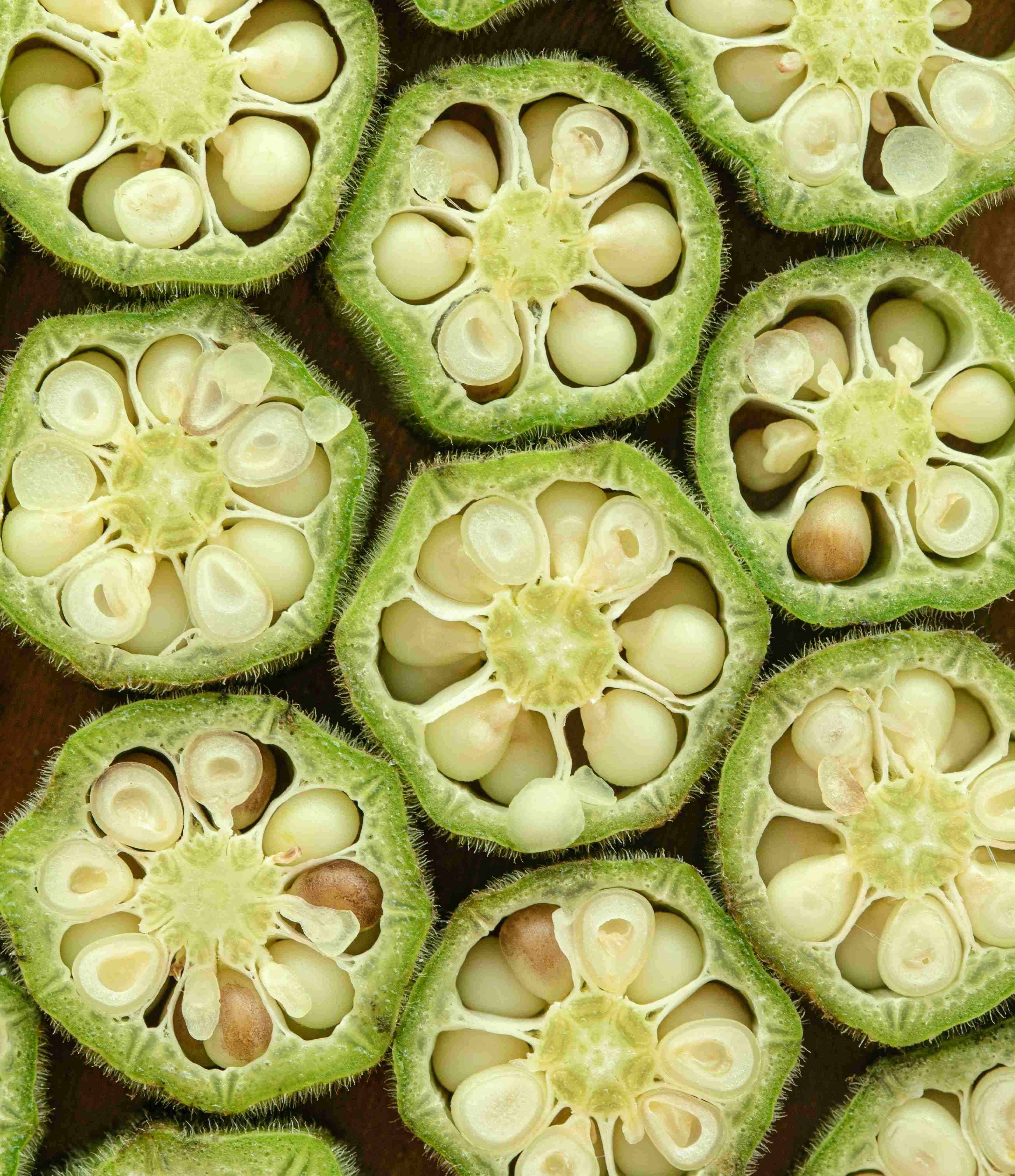
Diabetes continues to challenge millions worldwide, prompting scientists to look beyond pharmaceuticals and into our kitchens for help. Surprisingly, two everyday foods—unripe plantain and okra—are now under the spotlight for their potential role in managing blood sugar and protecting the body from diabetes-related complications.
It turns out that these humble staples, long favored in traditional cuisines, might be powerful allies in the fight against diabetes.
Unripe Plantain: A Starchy Fruit with Blood Sugar Benefits
Unripe plantain, the firmer, green version of the banana-like fruit, has been studied extensively in animal models for its glucose-lowering effects. In one remarkable study, diabetic rats fed unripe plantain experienced a 159% decrease in blood sugar levels, while untreated diabetic rats saw a nearly 23% increase. That’s not just statistically significant—it’s dramatic.
What’s more, plantain’s effects weren’t limited to blood sugar. Studies show that boiled unripe plantain can help reverse liver and kidney damage commonly associated with diabetes. It reduced protein in urine—a marker of kidney stress—and improved overall biochemical markers. The improvements were even compared to acarbose, a common diabetes medication, with surprisingly comparable results.
While most of the research has been conducted on animals, a systematic review combining multiple studies on unripe plantain showed a consistent, though more modest, average blood glucose reduction in humans. Researchers, however, note that study quality varied and results should be interpreted cautiously.
Okra: Nature’s Little Green Glucose Manager
Okra, sometimes overlooked as a slimy side dish, might deserve a lot more credit. Rich in both soluble and insoluble fiber, okra helps slow down the digestion and absorption of carbohydrates—a key advantage for those trying to manage blood sugar.
In both animal models and human studies, okra has been linked to significant reductions in fasting blood glucose and HbA1c, the latter being a long-term marker of blood sugar control. A recent meta-analysis of human trials involving around 400 participants found that various forms of okra—whether eaten cooked, powdered, or consumed as “okra water”—helped reduce not only blood sugar but also cholesterol levels, including total cholesterol and LDL, the so-called "bad" cholesterol.
The most effective results came from okra powder or whole fruit taken in doses above 3,000 mg per day, and particularly in studies that lasted more than eight weeks. In people with prediabetes, okra even boosted HDL, the “good” cholesterol. However, it didn’t appear to significantly affect insulin levels, blood pressure, body weight, or BMI.
What Does This Mean for People with Diabetes?
Both unripe plantain and okra are emerging as promising natural tools in the diabetes toolkit. They offer a double advantage: blood sugar control and protection for organs like the liver and kidneys. While unripe plantain’s effects have mainly been demonstrated in animal studies, the magnitude of those effects is hard to ignore. Okra, with more data from human trials, appears to be especially effective when consumed regularly and in sufficient doses.
Still, these foods aren’t magic bullets. Experts emphasize that while the evidence is encouraging, particularly for okra, more high-quality, large-scale human studies are needed. We don’t yet know the ideal dose, the best way to prepare these foods, or how they interact with other medications.
The Bottom Line
Science is starting to validate what traditional diets may have known all along: nature holds powerful tools for health. If you’re living with diabetes or at risk of developing it, adding unripe plantain or okra to your meals could offer more than just flavor—it might support your metabolic health in meaningful ways.
Of course, no single food replaces a healthy lifestyle or prescribed treatments. But as researchers continue to explore food as medicine, it’s comforting to know that simple ingredients like plantain and okra could help turn the tide in the global diabetes epidemic.