The Quiet Technology: Everyday Tools That Run Our Lives
When we think of technology, we often imagine futuristic gadgets and gleaming apps. But in Nigeria, the technologies that truly shape daily life are quieter and often invisible.
When we talk about technology, images of sleek apps, futuristic gadgets or AI often come to mind. But in Nigeria, the most impactful technologies are far quieter, often invisible to the average user. They are the systems and tools we rely on daily, and they quietly ensure that commerce, communication and services continue uninterrupted.
These technologies do not make headlines, yet they make life easier for over 200 million Nigerians. They are the quiet heroes of Nigeria’s digital economy, as they define the nation’s capacity to function in an increasingly digital world.
USSD, PoS and Everyday Financial Tech
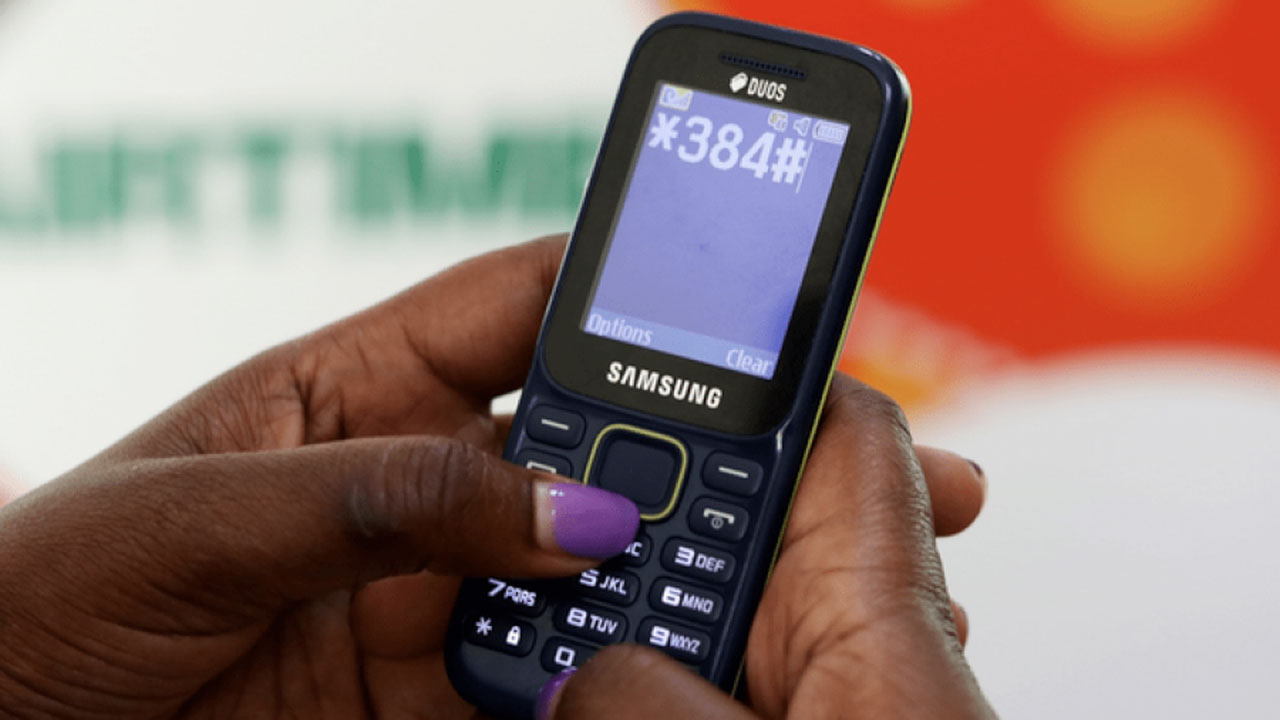
Before the rise of smartphones, Unstructured Supplementary Service Data (USSD) transformed access to financial services. USSD kicked off as a ubiquitous banking channel with GTBank’s *737# in 2012 which coincided with the launch of Nigeria’s cashless policy by the CBN. The dial codes allowed anyone with a feature phone to transfer money, check balances, pay bills and even participate in mobile banking, all without requiring data or an app.
This accessibility made USSD central to financial inclusion in Nigeria. USSD’s resilience lies in its simplicity. It works where apps fail, where connectivity is poor and even when power supply is inconsistent. However, as more Nigerians adopt smartphones, USSD usage is declining. Still, when apps freeze or servers lag, USSD remains the fallback for millions, a testament to its lasting relevance.
While USSD ensures accessibility, Point of Sale (PoS) terminals have quietly reshaped Nigeria’s cashless economy. In 2024, the Nigeria Inter-Bank Settlement System (NIBSS) disclosed that the number of Point of Sales (PoS) machines deployed by merchants and individuals across Nigeria rose to 2.7 million in March. These terminals allow small traders, kiosk owners and market vendors to process digital payments, turning ordinary spaces into micro-banks.
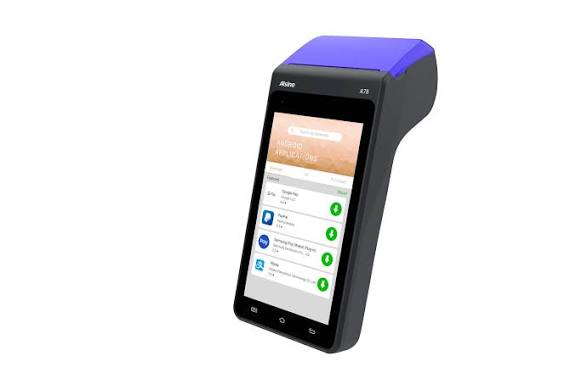
During cash shortages, these terminals became lifelines to many, allowing trade to continue when banks and ATMs were overwhelmed. However, PoS systems face challenges. Terminal costs have risen 30-100% in recent years, network outages occasionally disrupt transactions and electricity instability limits the functionality. Yet, despite these hurdles, they persist, quiet, resilient, and crucial for day-to-day financial activity.
Together, USSD and PoS form a financial infrastructure that is surprisingly robust despite its low profile. They demonstrate that innovation in Nigeria is not always flashy. Often, it is functional, adaptable, and designed for real-world challenges like reaching people where they are, in ways they can afford.
Infrastructure and Human Adaptation
Beneath these financial tools lies an extensive but invisible network infrastructure, and that is where network towers and connectivity comes in. Nigeria's telecommunications infrastructure includes over 53,000 telecom towers and more than 35,000 kilometers of existing fiber-optic cables. Major telecom operators such as MTN, Airtel, Globacom and 9mobile maintain these systems, enabling voice calls, data services and mobile payments.
Yet this infrastructure is not invulnerable, as vandalism, fiber cuts, and diesel shortages frequently disrupt connectivity. On March 13, 2024, damage to underwater fibre optic cables caused an internet outage in major parts of Africa especially in West Africa with Ivory Coast, Liberia, Nigeria and Ghana the worst affected countries. The fragility of these systems highlights how dependent daily life is on physical infrastructure, even in a so-called wireless world.
Another constant challenge is power, and to cope, people improvise. PoS terminals are connected to power banks, internet cafés run generators or solar inverters, and small businesses maintain redundant systems.
Latest Tech News
Decode Africa's Digital Transformation
From Startups to Fintech Hubs - We Cover It All.
These human adaptations are a core component of quiet technology. Without them, even the best-designed systems fail. Also, beyond devices, Nigerians have developed practices that maximize the utility of low-tech tools. Many use dual-SIM phones, switch networks according to availability and rely on WhatsApp for commerce. This adaptive culture ensures that quiet technology remains effective, even in the absence of perfect infrastructure.

Challenges and Fragility
Despite their resilience, these systems are not infallible. When they fail, the effects ripple widely. USSD sessions can time out, PoS networks can collapse, and network outages can freeze financial activity. In 2023, a nationwide network failure immobilized transactions across several banks for hours. Earlier this year, telecom blackouts disrupted PoS functionality in multiple states. These events demonstrate the underlying fragility of Nigeria’s otherwise robust digital ecosystem.
These disruptions also expose the uneven digital readiness across regions. Rural communities, often with weaker connectivity, face longer downtimes and higher transaction failures, highlighting the digital divide that still exists beneath Nigeria’s rapidly expanding fintech landscape.

Yet Nigerians adapt quickly, using cash, alternative networks or redundant PoS terminals. This resilience is a double-edged sword, as it maintains continuity but can obscure systemic vulnerabilities, leading to a tolerance for repeated failures rather than proactive solutions.
Rethinking Innovation in Nigeria
The global conversation about technology often celebrates the flashy, the disruptive and the next big thing. However, Nigeria’s quiet technology teaches a different lesson, that true innovation can be incremental, practical and local.
Regulatory frameworks also reflect this reality. The Central Bank of Nigeria’s August 2025directive requires geo-tagging of PoS terminals and upgrades to ISO 20022 messaging standards. These bureaucratic steps are far from glamorous but ensure reliability, transparency and long-term sustainability.
Startups and entrepreneurs can build atop these systems rather than replacing them. Layered services, affordable apps and infrastructure-conscious tools can modernize without breaking the system. The real lesson is that scalability and adoption often matter more than hype. The next wave of digital progress depends on recognizing, supporting, and building upon these tools.
The Power in the Background
Quiet technology does not call attention to itself. It hums in the background, carrying millions of transactions, calls and interactions every day. Its impact is felt not in press releases or investor slides, but in the uninterrupted flow of daily life.
In Nigeria, innovation often happens in the margins; the small code that transfers funds, the blinking terminal at a market stall, the network tower surviving a storm and the people improvising to keep it all running. This is the true story of technology in the country, one that is practical, resilient, and quietly transformative.
Latest Tech News
Decode Africa's Digital Transformation
From Startups to Fintech Hubs - We Cover It All.
Recognizing and investing in these systems is the path to a stronger, more inclusive digital future. The next time a transfer goes through without delay or a PoS terminal hums steadily, remember: these quiet technologies are the backbone of a nation in motion.