The Psychology of Spending (And How to Outsmart It)
Why do we overspend—even when we know better? The answer lies in psychology. From impulse buying to emotional spending, our brains are wired to favor instant gratification. In The Psychology of Spending (And How to Outsmart It), discover the hidden triggers behind your spending habits and learn simple strategies to take back control of your money.
You tell yourself you’re just looking. Then somehow, you're holding a shopping bag, or you're staring at a shipping confirmation in your inbox, wondering what just happened. It’s not that you’re reckless with money. You’re not irresponsible. But let’s be honest—sometimes it feels like your brain is on autopilot and your wallet is in the passenger seat.
Welcome to the psychology of impulse spending. It’s not just about willpower or bad habits. It’s about how your emotions, your environment, and even your phone are all working together to make spending feel like the answer—especially when life gets chaotic, stressful, or boring.
So, why do we keep buying stuff we don’t need? And more importantly, how do we stop?
The Dopamine Rush You Didn’t Know You Were Chasing
At the core of impulse spending is something we all crave: instant gratification. Every time you make an unplanned purchase, your brain rewards you with a hit of dopamine. It’s the same chemical you get from likes on a selfie or a bite of your favorite dessert. In that moment, clicking “add to cart” or swiping your card isn’t just about buying a product—it’s about chasing a feeling. A little buzz of excitement. A moment of escape. A boost when you’re tired, stressed, or just feeling off. The problem? That rush fades fast. And what you’re left with is often buyer’s remorse, a drained bank account, or a package you forgot you even ordered.
How Social Media and Friends Nudge You to Spend

But the story doesn’t end there. Because social influence is also quietly steering your decisions. Your favorite influencers, your best friend’s latest purchase, or even a coworker’s casual comment can make you feel like you should be buying something too. Psychologists call this “social proof,” and it’s powerful. The closer your connection to someone, the more likely you are to follow their lead. What’s more, platforms like Instagram and TikTok are engineered to serve you what you didn’t know you wanted—until you suddenly feel like you can’t live without it.
The Sneaky Tricks Retailers Use to Bypass Your Brain
.jpg)
Then there are the mental tricks your brain plays on you. Cognitive biases like the anchoring effect make you think you’re getting a deal when something is “marked down” from a high price, even if you weren’t looking for it in the first place. You might see a jacket listed for $149, slashed down to $59, and suddenly it feels like a steal—even though you didn’t plan to buy a jacket and it’s not even your style. That original price acts like an anchor, making the discount feel like a reward. On top of that, a flashing banner says "Only 3 left" or a countdown clock ticks down the minutes until the deal “expires,” making you panic that you’ll miss out. Retailers aren’t guessing—they know exactly how the brain works, and they design every notification, banner, and price tag to nudge you toward saying yes before you even realize you're being sold to.
When You’re Tired, Stressed, or Feeling Powerless

When you’re emotionally drained or overwhelmed, your defenses drop even lower. During times of stress, self-control takes a backseat, and impulse spending often steps in as a way to feel in charge again. Buying something can create a temporary sense of power or control—especially when everything else feels uncertain. It’s a way to say, “At least I can have this.” But over time, that moment of control can become a cycle of avoidance, where spending becomes a quick fix for deeper emotional discomfort.
Solution 1: Reclaiming Control Starts with Self-Awareness
Recognize the emotional roots behind your spending. Ask yourself what you’re really craving when you shop. Is it a connection? Control? Excitement? Once you identify the feeling, you can start to explore healthier ways to meet those needs. Exercise, journaling, creating something, or just venting to a friend can all provide the same kind of emotional release—without the financial fallout.
Solution 2: How Waiting Just One Day Can Save You Regret
One of the most effective strategies is giving yourself time. When you see something you want, challenge yourself to wait 24 hours before buying. That tiny gap lets your rational brain catch up to your emotional one. More often than not, the urgency fades—and you realize you didn’t need it after all.
Solution 3: Budgeting Doesn’t Mean Saying No to Fun
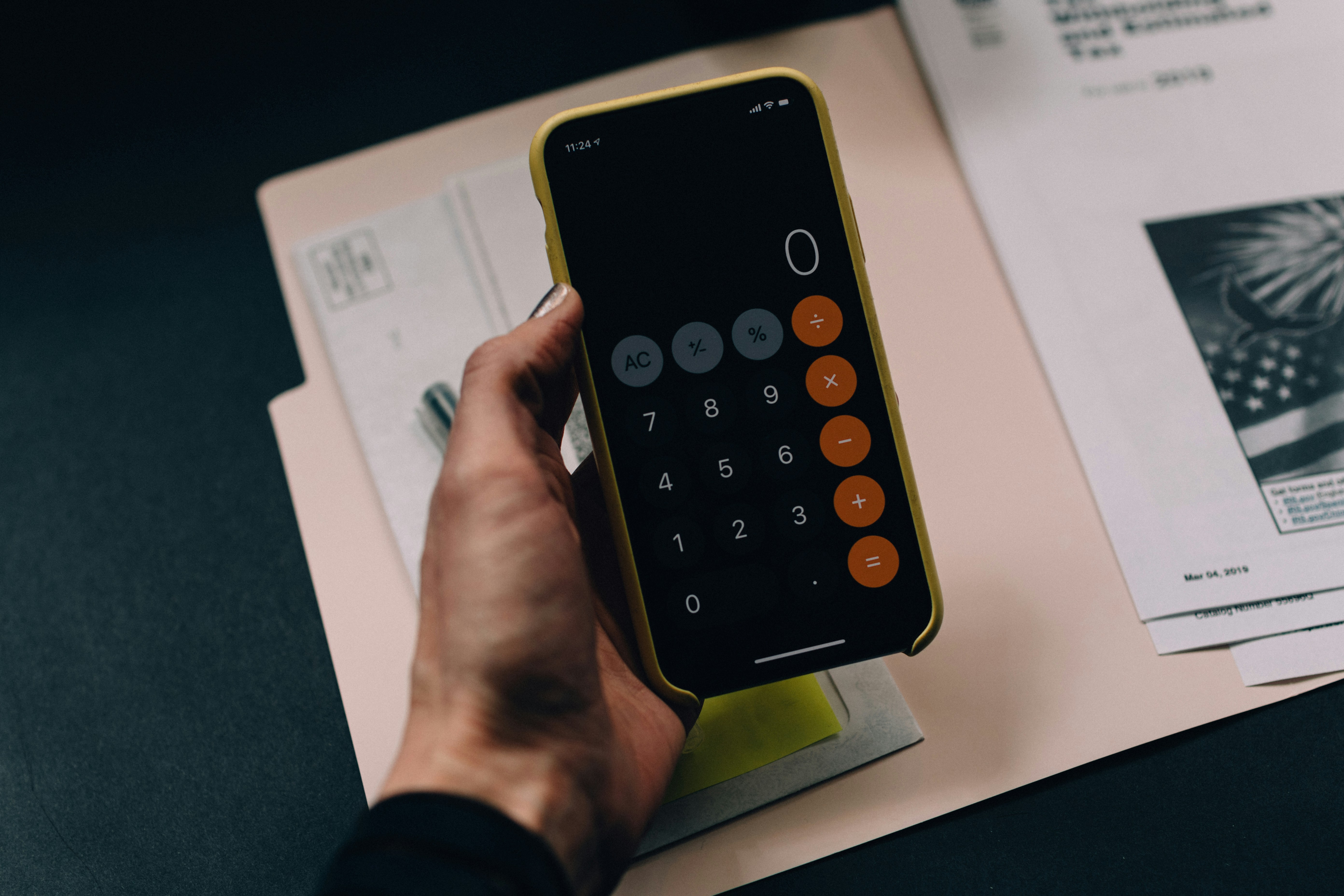
Instead of trying to eliminate all spending, create a realistic budget that allows room for both your needs and your wants. When you know you’ve already carved out space for a new hoodie or a dinner out, you’re less likely to spiral into guilt or blow your entire budget because you felt deprived. It’s not about restriction—it’s about intention.
None of this means you can’t ever treat yourself. In fact, allowing yourself the occasional, budgeted indulgence can prevent you from feeling restricted and rebounding into binge-spending mode. The key is making that choice consciously, not reactively.
Solution 4: Your Environment is Setting You Up to Spend—Change It
Changing your environment helps too. If certain apps or accounts constantly trigger your spending urges, it might be time to hit unfollow or turn off notifications. You don’t need to cut yourself off from everything, but curating your digital space can help reduce temptation. It’s also helpful to shop with someone who understands your financial goals. A supportive friend can be a voice of reason when your emotions are trying to convince you that buying something is a form of self-care.
When to Ask for Help
And if impulse spending becomes a real problem—if it starts to affect your relationships, your mental health, or your sense of self-worth—don’t be afraid to reach out for support. Financial therapy, coaching, or even executive function counseling can help you unpack the deeper patterns behind your behavior and build new ones that actually serve your goals.