The Politics of Home: Can The African Diaspora Participate In Africa Governance?
Can Africans in the diaspora truly shape the politics of the nations they left behind? This piece questions the legitimacy, influence, and ethical boundaries of diaspora activism in African governance.
Introduction: Between Homes, Between Power
You watch the news feed from thousands of miles away. You tweet, you donate, you share that hashtag, all with the hope that someone back home sees, listens, changes. For many Africans in the diaspora, politics isn’t just an occasional thought, it’s a pulse. It echoes from childhood stories, family lore, vacation visits, and loyalty that distance cannot erase.
Take the average African in diaspora, every election season they try to participate, one way or another, they ensure that they are actively involved, joining Zoom meetings—and spaces on X ( formerly called twitter), writes letters to family back home, monitors debates, and supports voter-education campaigns, but they cannot vote in any election in their home country without making a trip, Feeling both intensely connected and yet strangely powerless.
This tension—between connection and exclusion, between voice and voter, is at the heart of the diaspora’s political question: Can the diaspora have real political power? Should they? And to what extent can they shape political outcomes from afar?
The Rising Influence of Diaspora Activism
Over recent years, Africans abroad have become louder, more organized, and more impactful. Through remittances, social media campaigns, political fundraising, cultural diplomacy, and even diaspora voting (where allowed), diasporans are inserting themselves into political debates back home.
In Kenya, studies show that many voters reported being influenced by family and friends abroad. Diaspora members send messages about elections, fund campaigns, share voter guides. Their voices shape attitudes, not always results, but attitudes matter.
Across many African countries, movements have been amplified by Africans in diaspora, many of which have seeded awareness, pressure, and occasional policy shifts. Diasporans harness digital platforms to spotlight corruption, human rights abuses, and democratic deficits.
So yes, the diaspora is not silent. But influence isn’t the same as power. And voice isn’t always voting rights.
Legitimacy and the Question of Should
The question of whether Africans in the diaspora should have a political voice is more than academic, it’s ethical, emotional, and complex.
Argument for Inclusion
Citizenship and Nationhood
Many diaspora Africans retain citizenship. They contribute: through remittances that often exceed foreign aid; through investment; through knowledge and diaspora-led social projects. Their contributions give legitimate claims to a say in governanceWatchdogs & Transnational Advocacy
In spaces where press freedom or political opposition is constrained, diasporans serve as amplifiers for dissent. They can spotlight issues without fear of direct state reprisals. Their relative safety abroad gives them a platform others may not have.Bridging Expertise & Networks
Skilled diaspora professionals can contribute ideas, resources, and comparisons. They may introduce new norms—transparency, accountability, rule of law—holding governments accountable by comparison. Some governments even craft institutions or policies to tap into diaspora knowledge.Photo credit: Google image
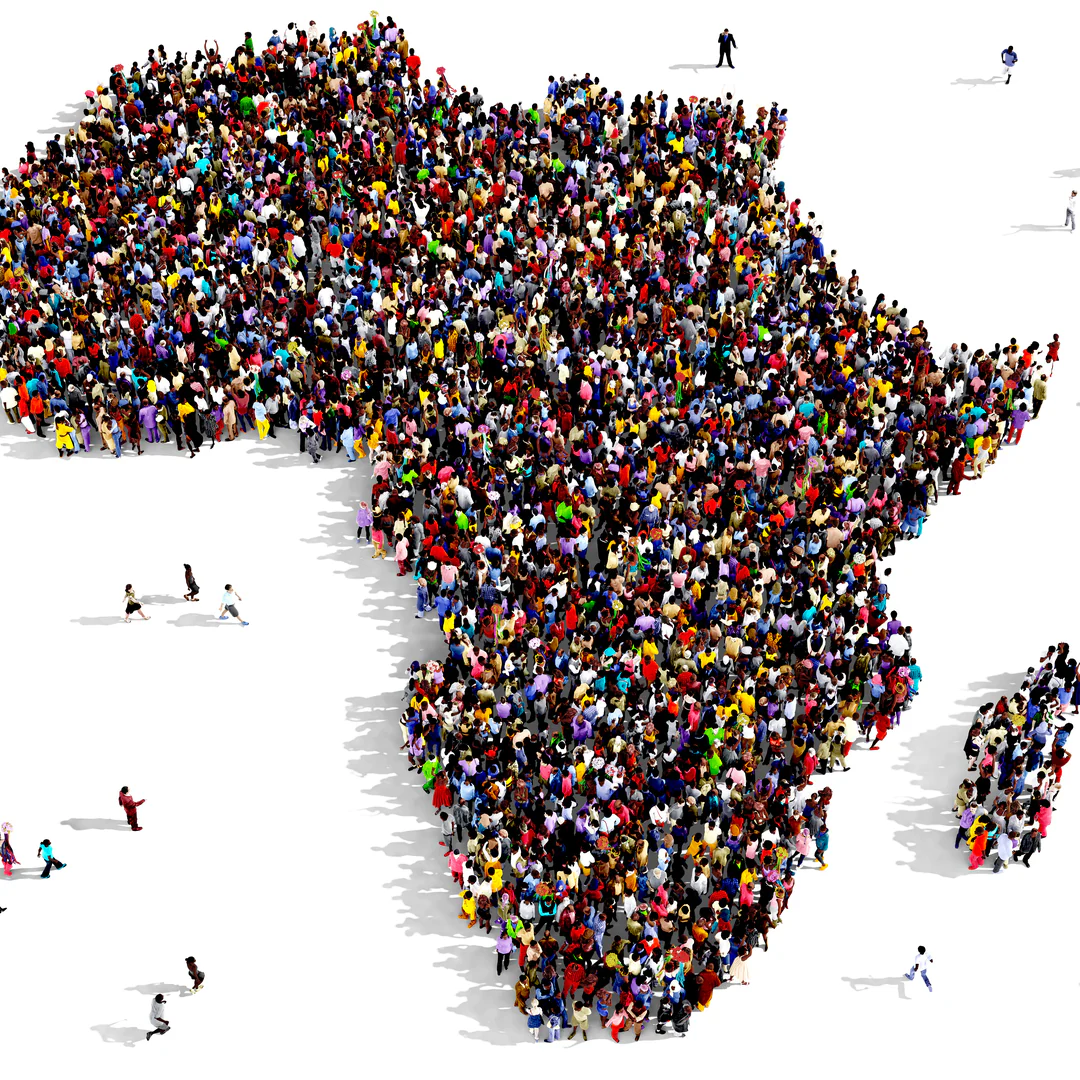
Argument Against or Limits of Involvement
Diaspora Connect
Stay Connected to Home
From Lagos to London, Accra to Atlanta - We Cover It All.
But real issues complicate this neat picture.
Physical Distance & Disconnection
Life abroad changes perspectives. Someone far from the daily reality of politics, economics, corruption, or community struggle may misjudge what is feasible or important. They may advocate for ideals that feel urgent, but ignore grounding local priorities.Representation & Accountability
If diaspora communities press for policies or leadership changes, who holds them accountable? They are not always bound to the same costs as domestic citizens—the risks, the trade-offs, the sufferings. Should their influence be proportional to their involvement?Potential for Interference or Cultural Misunderstanding
Ideologies or strategies imported from abroad can clash with local social norms. What diaspora activists see as transparency, local communities may see as disrespect or imposition. Effective change requires sensitivity, not just speech.Unequal Voice
Not all diaspora voices are equal. Wealth, education, language, access to platforms, country of residence—all these affect who gets heard. Often the anger or privilege of a few overshadows the silence of the many. Thus, diaspora influence risks being unrepresentative.

Diaspora Voting: A Litmus Test
One of the clearest ways to gauge real power is voting. Who can vote from abroad? How many? With what ease?
Some African countries like Senegal, Ghana, Cape Verde, and several others allow diaspora citizens to vote in national elections.
Others don’t. In countries with large diaspora populations, this exclusion sparks frustration. Nigeria, for example, has been actively discussing diaspora voting rights but has not fully implemented them despite repeated calls.
Even where voting is permitted, logistical, legal, and procedural barriers often make participation difficult (passport issues, registration, voting station location, verification).
Diaspora voting is a strong form of political voice, but not all diaspora influence depends on ballots. Influence can be moral, economic, discursive—but ballots remain symbolically powerful.
Conflict, Authority & Edge Cases
Diaspora influence shines in moments of crisis. In authoritarian contexts, when protest at home is dangerous, overseas voices can amplify dissent, fund activism, ask for international pressure. But these moments also show risk:
States often respond by painting diaspora activists as out-of-touch, foreign-backed, or traitorous. That delegitimization can reduce the impact of diaspora voices, or worse, provoke repression of both diaspora and domestic voices.
There is also the risk of diaspora activism fueling polarization—where public discourse splits along lines between “you left so you don’t understand” vs “you care enough to speak.”
Diaspora Connect
Stay Connected to Home
From Lagos to London, Accra to Atlanta - We Cover It All.
So, if diaspora influence is real but complex, where should its boundaries lie? What are acceptable forms of involvement? What forms might be overreach?
Possible guidelines:
Transparency
Diaspora groups should clarify their ties, their motivations, their funding. Hidden agendas reduce legitimacy.Listening as much as Speaking
Influence grounded in engagement with domestic communities—not just broadcasting ideas, but receiving feedback. Real consultation matters.Supporting Local Leadership
Instead of dominating discourse, diaspora activism should aim to empower those on the ground. Funding local initiatives, mentoring youth, not replacing.Legal & Institutional Mechanisms
Bilateral agreements, diaspora voting laws, diaspora advisory councils with real power, not just symbolic roles.Recognizing the Limits of Idealism
What works abroad may not translate home. Understanding cultural, infrastructural, political constraints is essential.
Conclusion: A Dialogue, Not a Monologue
Africans in the diaspora have already proved many things: they care; they influence; they build; they protest. They are not spectators but actors. Still, distance bestows certain advantages and certain blind spots.
The question is not simply: Can diaspora shape Africa’s political future? The answer is yes—they already do. But the deeper question is: Should they shape it alone and on what terms?
When those far away speak, the most powerful voices may not be those who yell loudest but those who build bridges. Because governance, after all, is not just about power, it’s about trust, culture, and shared destiny. If diaspora voices are to matter, they must be voices that listen, that reckon with home’s realities, that seek to be accountable, not from afar, but as connected citizens.