The Nigerian Night Sky

The Legacy of the Skies
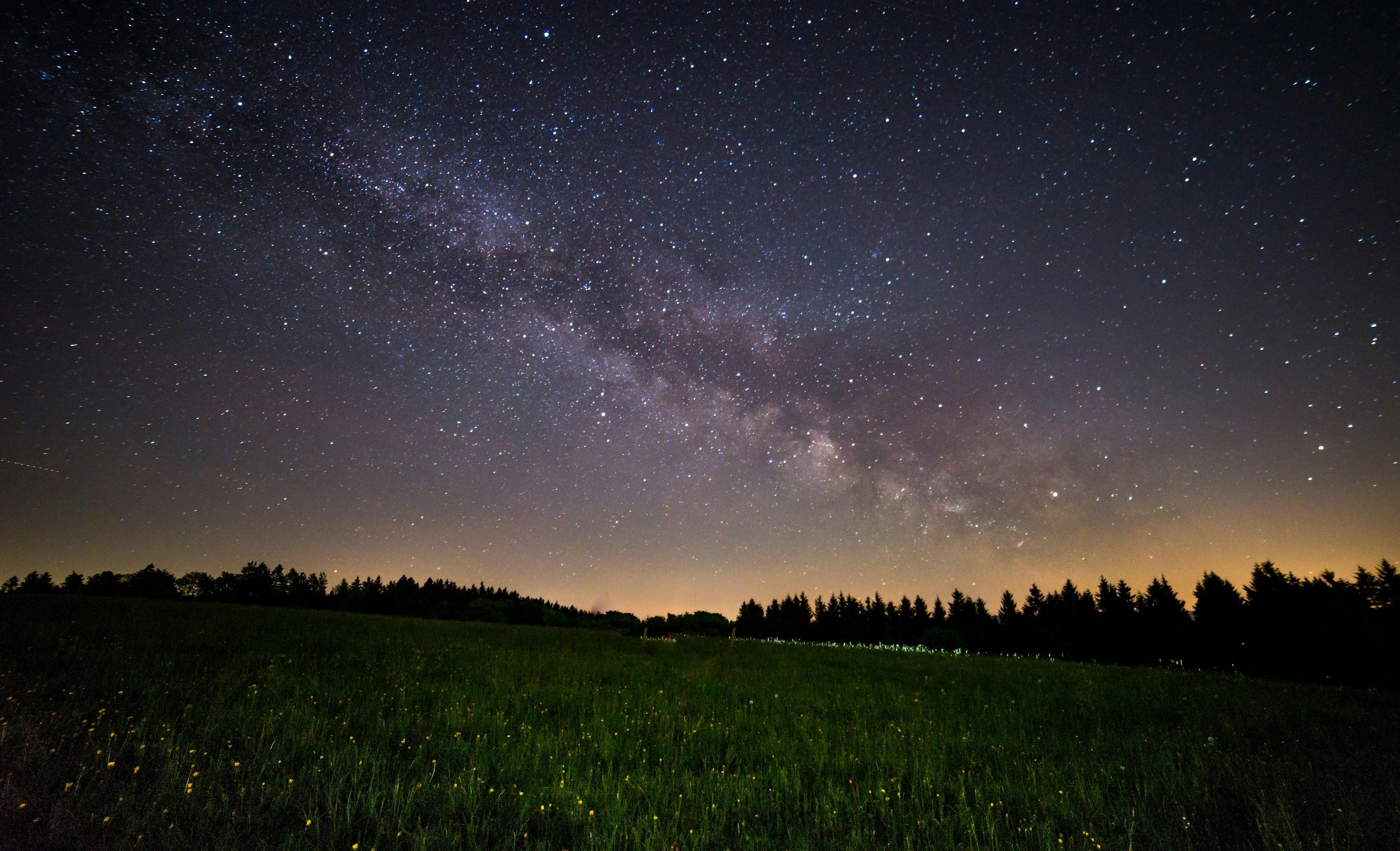
In the quiet hours of the night, when the hum of daily life fades and the sky stretches wide above, a whole universe reveals itself to the patient observer. For many Nigerians—whether in the vast open savannahs of the North, the hills of Jos, or the elevated resort towns of the South—the night sky offers a spectacular canvas of stars and planets that is as ancient as it is awe-inspiring.
Stargazing, once the preserve of ancient priests and modern scientists, is now accessible to anyone with a curious mind and a clear sky. With minimal light pollution in many rural areas and a dry season that offers crisp, cloudless nights, Nigeria is exceptionally well-placed for celestial observation.
Humanity has long looked to the skies for meaning. The Moon’s phases shaped early agricultural calendars, including those used by communities in West Africa.
Tools for the Modern Stargazer
You don’t need a high-powered telescope to enjoy the wonders of the night sky. Beginners can start with nothing more than their eyes. Bright stars, constellations, and even some planets can be identified this way. A good pair of binoculars—7x50 or 10x50—is a natural next step. These allow viewers to explore lunar craters, identify star clusters, and even follow the motion of Jupiter’s moons.
For those looking to explore deeper, entry-level refractor or reflector telescopes offer access to Saturn’s rings, the phases of Venus, and nebulae in distant star fields. And with the growing capabilities of smartphones—especially models with advanced zoom lenses—users can capture surprisingly detailed photos of the Moon and identify celestial objects using apps like Sky Map or Star Walk.
Where and When to Look
Location is everything in stargazing. Ideally, observers should choose a high elevation point with minimal artificial lighting. Rural locations or elevated tourist areas such as Obudu Mountain Resort in Cross River or the Mambilla Plateau in Taraba provide ideal conditions. Even within urban areas like Abuja or Abeokuta, rooftops or open spaces on the outskirts can offer rewarding views.
The best time to stargaze in Nigeria is during the dry season, particularly on nights around the new moon when the sky is darkest. Between 9 p.m. and 3 a.m., the atmosphere is typically more stable, and light pollution is lower. During this window, one can enjoy not just planets and stars but also meteor showers and other rare celestial events.
Celestial Events to Watch For
A few times each year, the night sky hosts spectacular events that can be seen without any equipment. Meteor showers such as the Perseids in August and the Geminids in December paint the sky with brief, fiery streaks as space debris burns up in the Earth’s atmosphere. Partial lunar eclipses are visible from Nigeria roughly every year, and while solar eclipses are rarer, a partial eclipse is expected over parts of Nigeria on August 12, 2026.
How to Identify Celestial Bodies in the Nigerian Night Sky
Even without advanced astronomical knowledge, identifying planets and stars is possible with a few visual cues, the right timing, and perhaps some help from a stargazing app or smartphone.
1. The Moon
The easiest celestial body to spot, the Moon changes shape over a 29.5-day cycle. A full moon rises around sunset and shines all night, while a new moon is invisible, making it the best time for seeing faint stars and meteors. You can also look for lunar features—like craters and the dark plains called “maria”—with binoculars or your phone camera.
2. Venus
Often called the “Morning Star” or “Evening Star,” Venus appears just after sunset or just before sunrise. It’s the brightest object in the sky after the Moon and does not twinkle. Look low on the horizon in the west (after sunset) or east (before dawn). It has a creamy white glow and can sometimes even cast a shadow in very dark places.
3. Mars

Mars is easily identified by its reddish-orange hue. It appears brighter and larger every 26 months when it is in opposition to Earth. Unlike stars, it doesn’t twinkle. If you see a red dot that's steady and bright—especially near the Moon—it’s likely Mars. Best visible late at night or early morning during opposition.
4. Jupiter
Jupiter shines as a bright, non-twinkling white light. It’s usually visible high in the sky around midnight or before dawn, depending on the season. Through binoculars or a steady zoom, you can spot four of its largest moons—Io, Europa, Ganymede, and Callisto—lined up in orbit like tiny stars.
5. Saturn
Saturn is less bright than Jupiter but still distinct. It has a soft yellowish tint and does not twinkle. Its rings are only visible through a telescope or powerful zoom lens, but it is still a fascinating sight. Saturn often appears near Jupiter in the sky.
6. Sirius
The brightest star visible from Earth, Sirius is found in the constellation Canis Major, near Orion’s belt. It twinkles intensely and has a bluish-white glow. It rises in the east and is best viewed in the late evening during the dry season.
7. Orion's Belt and Betelgeuse
Orion’s Belt is made up of three bright stars in a straight line. Above it is Betelgeuse, which has a reddish tint, and below is Rigel, which is bluish-white. This constellation rises in the east and is easily visible on clear nights during December to March.
Conclusion
Stargazing in Nigeria is more than just a hobby; it is an opportunity to connect with the past, marvel at the present, and wonder about the future. The skies above the country offer a rich tapestry of celestial phenomena waiting to be discovered, from the constant dance of the planets to the fleeting beauty of meteor showers.
Apps to Assist with Skywatching
To help identify these objects in real time, use free or low-cost apps:
- Sky Map (Android) – Uses your phone's compass and gyroscope to overlay constellation and planet names.
- SkySafari (iOS/Android) – Advanced tracking, telescope syncing, and satellite spotting.
- Star Walk 2 (iOS/Android) – Great interface for live sky viewing and education.
And before you go, checkout this list of phones which have amazing camera quality for stargazing