The IMF Wants VAT on Fuel in Nigeria. What Would It Mean for Citizens and the Economy?
The IMF wants Nigeria to add VAT on fuel products. Here's what it actually means for petrol prices, food costs, and millions of Nigerians already stretched thin.
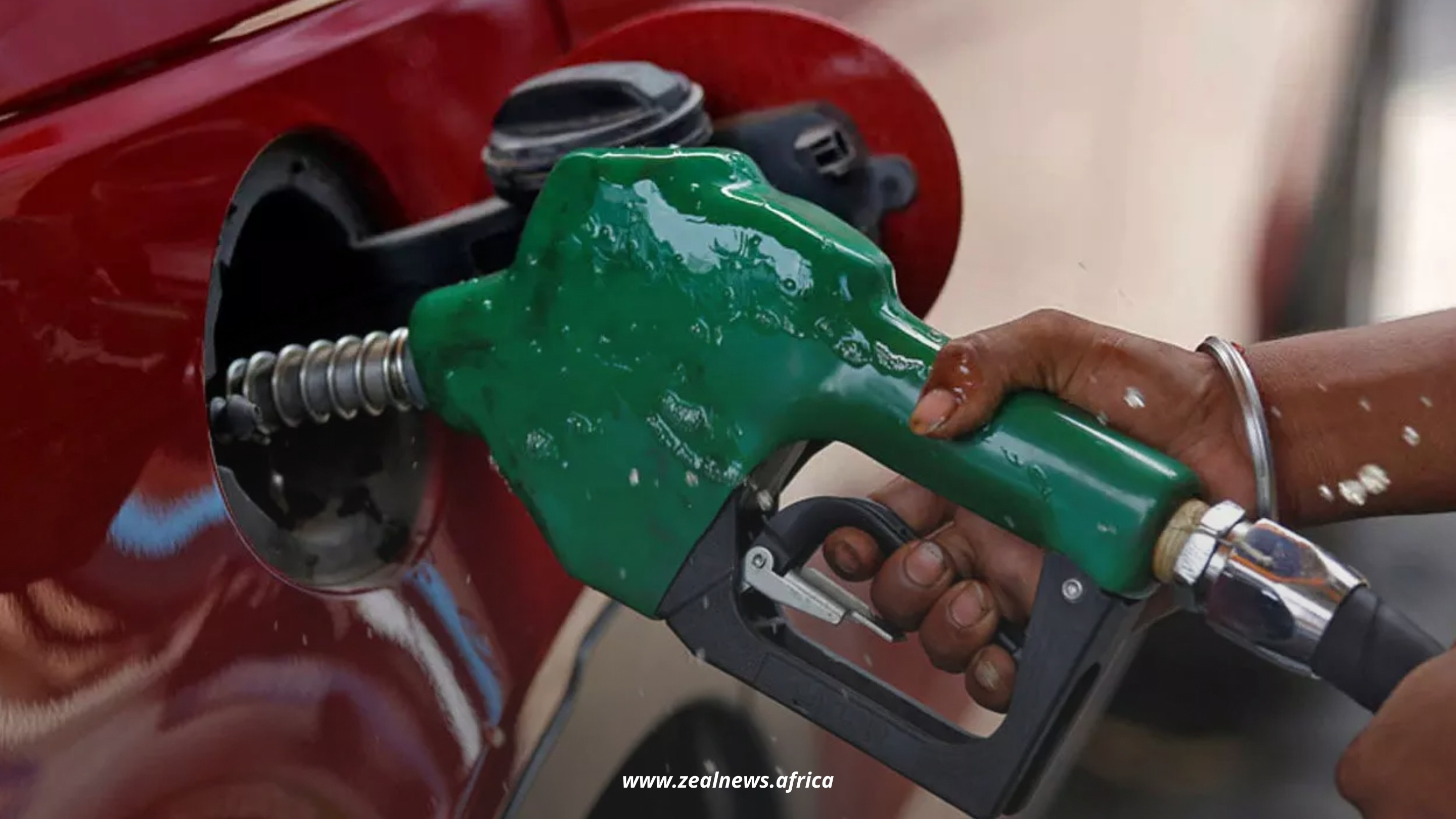
Over the weekend, a headline probably stopped your lazy-day scroll. "IMF Advises Nigerian Government to Tax Fuel." For two seconds, you stared at your screen in something between disbelief and fury.
You had just bought petrol at over N1,200 per litre, paid N1,800 for a kilogram of cooking gas, and watched your transport fare quietly double over the past year, and you know, you are not alone in this feeling.
Before any comment section fills up, there is a question everyone should be asking: what does this actually mean, and who is really making the decisions about how Nigerians pay for everything?
Who Is Actually Running Nigeria's Economic Playbook?
To understand the fuel VAT recommendation, you first need to understand the document it came from.
In June 2026, the International Monetary Fund concluded its annual Article IV Consultation with Nigeria, a routine bilateral review it conducts with member countries. The resulting staff report, which was completed in May 2026, is a dense 88-page document that reads like a performance review of a country's entire economic architecture.
It broke down its monetary policy, exchange rate regime, fiscal stance, debt sustainability and structural reforms.
The IMF does not run Nigeria. It has no IMF programme with Nigeria, no disbursements or any formal conditionalities attached. However, what the Fund says carries enormous weight in how Nigeria is perceived by international creditors, foreign investors and rating agencies.
When S and P revised Nigeria's outlook from stable to positive in November 2025, it did not happen in void. It happened in an environment shaped partly by the kind of reform momentum the IMF has been nudging Nigeria toward since 2023. Some of these reforms include ending fuel subsidies, unifying the exchange rate and tightening monetary policy.
These were Nigerian government decisions, but they are decisions the IMF had long recommended.
So when the Fund recommends extending VAT to fuel products as a medium-term revenue measure, it goes beyond a random suggestion and it is, rather, a part of a wider fiscal architecture being designed in large part by external economic institutions, even as the Nigerian people bear the consequences of each policy lever pulled.
What the IMF Actually Said About Fuel VAT
The recommendation is buried in the revenue mobilisation section of the staff report, listed among a suite of medium-term tax policy measures the IMF believes Nigeria will need to close its fiscal gap. The report explicitly names "extending VAT to fuel products" alongside raising the VAT rate generally, rationalising tax exemptions on extractive industries and introducing telecom excises.
Crucially, the IMF did not say do this immediately. The report actually states that the timing of these reforms "must consider the poverty and food insecurity situation and ensure that the cash transfer system is in place and funded" before higher taxes are introduced.
There is even a line acknowledging that poverty reached 63% using the national poverty line, and that 27 million Nigerians faced food insecurity in the latter half of 2025.
This is economics as a policy document acknowledging its own human cost in the same breath it recommends the policy. It is a notable warning. It is also, in practice, a warning that rarely survives contact with implementation.
The Gap Between Economics on Paper and Economics in Reality
Nigeria removed fuel subsidies in mid-2023. On paper, this was the right macroeconomic move. Subsidies were consuming an estimated 2% of GDP and benefiting wealthier Nigerians who owned cars far more than poor ones.
The fiscal savings would fund cash transfers to vulnerable households. That was the plan.
The reality is more complicated. The IMF's own report notes that the estimated savings from the fuel subsidy removal "do not appear to have accrued to the budget in 2025." The cash transfer programme, developed with World Bank support, has enrolled 9.2 million households out of a target of 15 million.
Of those enrolled, most have received at most three payments of N25,000 each since 2023, roughly $18 at current exchange rates per payment. That is the available data per household across nearly three years.
Meanwhile, petrol and diesel prices in March 2026 were already 22.5% and 16% higher respectively than their pre-war levels, driven by the Middle East conflict feeding into global fuel prices that pass directly through to domestic markets.

Food inflation hit 14.3% year-on-year in March 2026. Urban and rural Nigerians are spending a larger and larger share of shrinking real incomes on transport and food.
This is what economics on paper misses. The models measure fiscal deficits and revenue-to-GDP ratios.
They do not measure the woman, calculating whether to take a bus or walk to save N500. They do not capture the SME owner whose logistics costs have made pricing her goods nearly impossible.
The models note that inflation "nudged up" to 15.4%. For millions of Nigerians, that nudge is felt.
What a Fuel VAT Would Actually Do to Citizens
Currently, petroleum products are exempt from VAT in Nigeria. Introducing even the standard 7.5% VAT on fuel would embed a new cost layer into every litre purchased, and the effect would be anything but linear.
Fuel in Nigeria is not just fuel. It is the energy that powers generators in a country where the electricity sector remains in crisis. Even the IMF report notes that the electricity sector arrears stood at roughly 0.75% of GDP at the end of 2025 and are rising.
It is the cost embedded in every truck that moves food from interstate, every public transport vehicle, every generator powering a small business and a house that last saw electricity supply a week ago.
VAT on fuel would therefore not show up only at the pump. It would show up in food prices, logistics costs, production costs, and transport fares.
These pressure points are already squeezing Nigerian households and a tax like this would disproportionately affect the poorest, because fuel costs represent a much larger share of income and expenditure for low-income Nigerians than for wealthier ones.
For the government, the appeal is obvious. Nigeria's non-oil revenue-to-GDP ratio sits at roughly 6.8%, far below regional peers and Fragile and Conflict-Affected State comparators. Interest payments consumed 53.2% of Federal Government revenue in 2025.
Every percentage point of additional revenue is a point that does not go to debt servicing. The IMF estimates a comprehensive revenue reform package could generate up to 4.6% of GDP in additional revenue over three years. Fuel VAT is just one piece of that, but it is a politically and socially expensive one.
The Question Nobody Is Asking Loudly Enough
The deeper issue is not whether fuel VAT is economically logical. In narrow fiscal terms, it may well be. The deeper issue is the sequencing, the accountability and the compensation gap.
Nigeria was told the subsidy removal savings would fund social protection. Those savings have not fully reached the budget. The cash transfers have not reached all the households they were meant to reach. And now the next revenue measure is being floated before the promised relief from the last one has materialised.
When the IMF says the poverty situation must be considered before implementing fuel VAT, it is technically correct. However, Nigeria has a track record of implementing the revenue measures before the social protection infrastructure is ready and delaying the latter indefinitely.
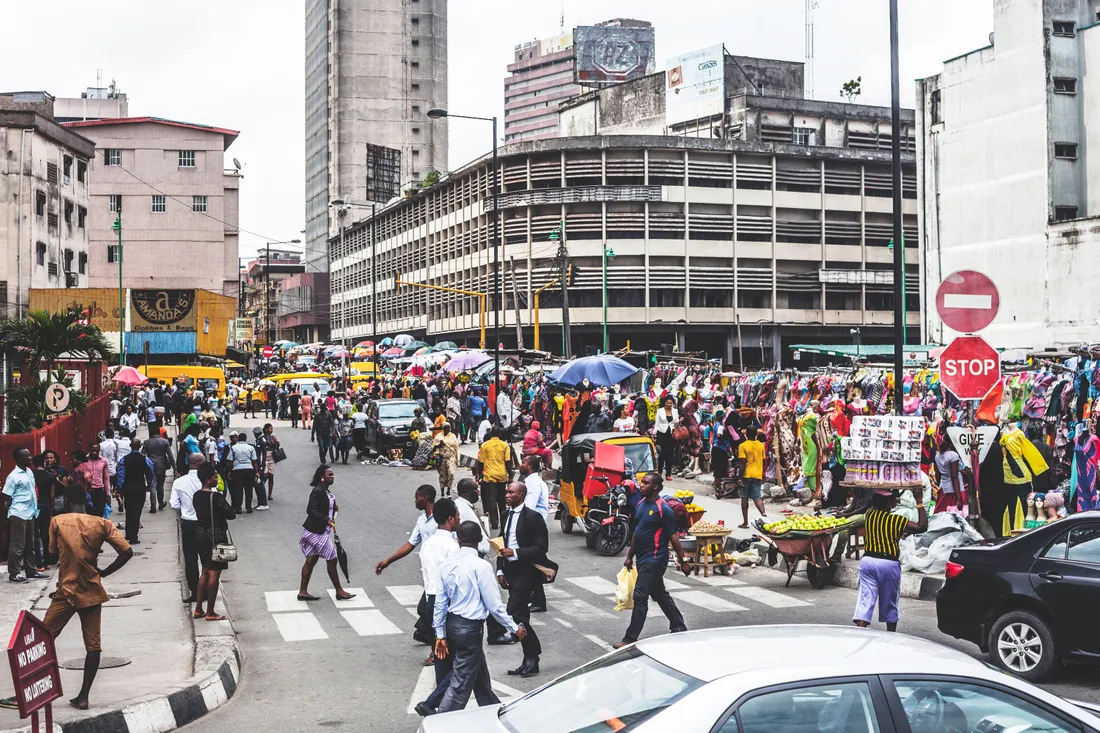
The question for ordinary Nigerians is not whether the IMF is right in theory. It is whether the Nigerian government, as currently structured, can be trusted to sequence these things in the order that protects the most vulnerable first.
Given the evidence of the past three years, that is not an unreasonable thing to doubt.