The Graduate Dilemma: Why Degrees Don’t Guarantee Jobs Anymore
Explore why university degrees no longer guarantee jobs in Africa, with stats, country case studies, and insights on skills shaping the future workforce.
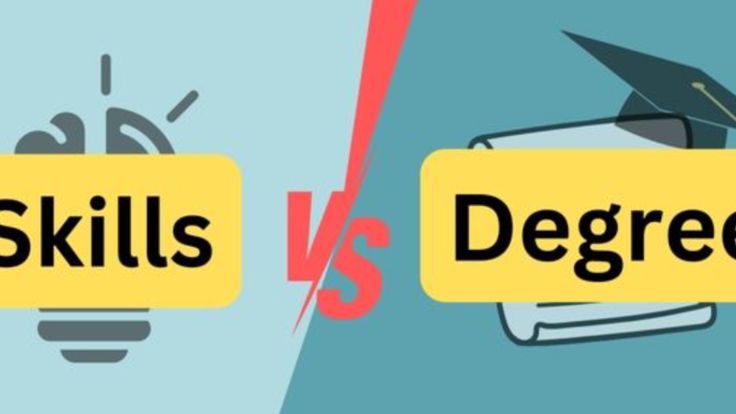
In many African households, a university degree is not just a certificate — it is a family’s dream, a parent’s sacrifice, and a child’s ticket to “a better life.” For decades, degrees were seen as golden passports, stamped with promises of stable jobs, financial security, and social respect.
But for millions of young Africans today, the reality is far from the dream. The degree that was meant to open doors now leaves them standing outside, knocking endlessly, while employers ask for “five years of experience” for an entry-level role.
Take Chika, a fictional character representing a very real story across the continent. She graduated with honours in Finance from a prestigious Nigerian university. Her parents throw a party in the village, neighbours shower her with gifts, and everyone whispers about the bright future ahead. But one year later, Chika is at home, CV in hand, scrolling job sites with little luck.
The positions advertised are either unpaid internships, demand impossible experience requirements, or are so underpaid they can’t cover transportation costs. For her, the degree has become a heavy paper — proof of effort, but not a guarantee of opportunity.
This is not just Chika’s problem. It is Africa’s crisis.
-wikiHow.jpeg)
Photo Credit: Pinterest
The Harsh Reality Behind the Paper Dream
According to the African Development Bank, Africa produces over 10 million graduates annually, but the economy creates only about 3 million formal jobs. This leaves millions of young, educated Africans stranded in limbo — overqualified for low-skill jobs, yet locked out of formal employment.
In South Africa, the unemployment rate for graduates under 35 has climbed above 30% in recent years. In Nigeria, the figure is even more worrying: youth unemployment hovers around 33%, one of the highest in the world, with graduates making up a painful chunk of this statistic. For countries like Kenya and Ghana, underemployment is the hidden monster — graduates work as Uber drivers, boutique assistants, or petty traders just to make ends meet.
This mismatch between education and opportunity raises an uncomfortable question: Has the degree lost its power?
Global Comparisons: The Shifting Value of Degrees
This dilemma is not exclusive to Africa. Globally, the job market is shifting away from credentials and toward skills. In the U.S., major employers like Google, IBM, and Apple have scrapped degree requirements for many roles, choosing instead to focus on practical skills and competencies. In the U.K., firms such as PwC and Ernst & Young now prioritize aptitude and problem-solving tests over university degrees.
Meanwhile, in Asia, countries like India are experiencing the same “graduate glut” — millions of young people earning degrees but struggling to find jobs that match. Yet the difference lies in the ecosystem of alternatives: coding bootcamps, vocational programs, and innovation hubs that absorb skill-seekers outside the rigid degree path. Africa, however, lags behind in creating these alternative structures at scale.
Why Degrees Don’t Guarantee Jobs Anymore
Overproduction of Graduates – Universities are churning out graduates faster than the economy can create jobs.
Skills Mismatch – Employers complain that graduates lack practical skills, creativity, or digital literacy despite academic qualifications.
Weak Economies – Many African economies are commodity-dependent, with limited industrial or tech-driven sectors to absorb graduates.
The Rise of Automation and AI – Many traditional jobs are shrinking as technology replaces routine tasks, creating demand for new skills not taught in universities.
Internship and Exploitation Loops – Graduates are often trapped in cycles of unpaid internships that delay their financial independence and waste productive years.
Country Snapshots: The Graduate Struggle Across Africa
Nigeria: With over 600,000 graduates annually, only a fraction secure stable jobs. The National Bureau of Statistics reported that over 40% of graduates remain unemployed a year after NYSC.
Kenya: Despite being East Africa’s innovation hub, a 2022 report revealed that nearly one in five graduates takes over 5 years to find stable employment.
South Africa: Universities produce highly educated graduates, yet youth unemployment is among the highest in the world. Many graduates resort to entrepreneurship — often out of necessity, not choice.
Egypt: Once celebrated for its educated workforce, Egypt now faces an oversupply of graduates in humanities and social sciences, while industries cry out for engineers, technicians, and IT experts.
The Mental and Social Toll
This crisis is not just economic — it’s deeply personal. For young Africans, being unemployed after graduation carries shame, depression, and family pressure. In cultures where parents sacrifice everything for their children’s education, failure to “make it” becomes a burden that eats away at confidence.
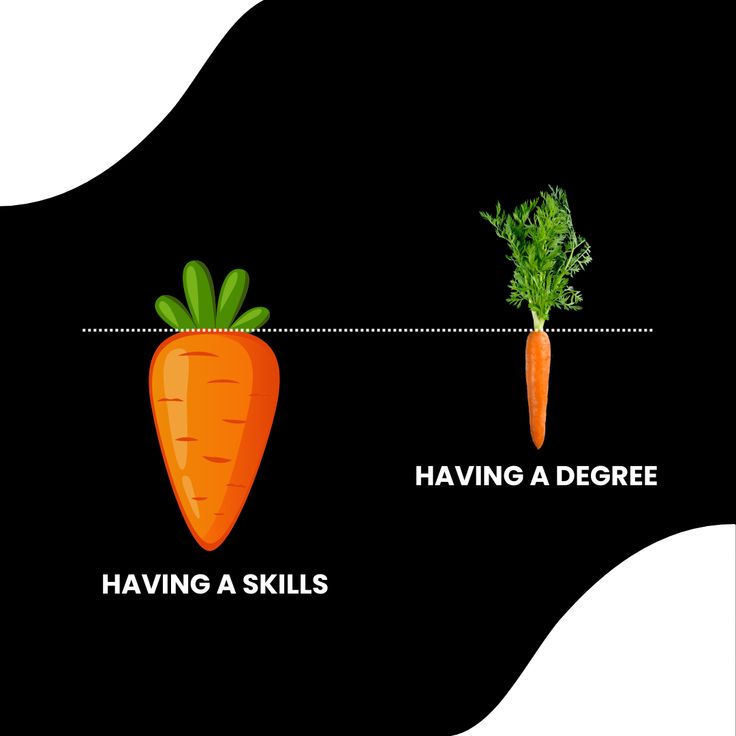
Photo Credit: Pinterest
Rethinking the Degree: What Needs to Change
The truth is, the degree itself isn’t useless — it’s just not enough. To rebuild its value, several steps are needed:
Skills Before Certificates – Universities must integrate vocational training, digital skills, and entrepreneurial modules into degree programs.
Stronger Industry-Academia Links – Employers and schools must collaborate to align curriculum with market needs.
Promotion of Technical and Vocational Training – Africa must shed the stigma around technical education and promote it as a prestigious path.
Entrepreneurship as a Real Option – Instead of teaching “how to get jobs,” universities must also train students on creating them.
Government Policies for Job Creation – Structural reforms, investment in industries, and youth-focused economic policies are crucial.
The Future: Skills Will Be the New Currency
As the world economy shifts, one thing is clear: skills are the new degree. Employers are increasingly asking, What can you do? instead of What did you study?
Coding, digital marketing, data analysis, renewable energy, and creative industries are becoming Africa’s real job engines. The youth who adapt fastest will thrive, while those who cling to the old promise of a degree risk being left behind.
For Chika and millions like her, hope lies in this shift. The paper may not guarantee a job anymore, but resilience, skills, and adaptability can.