The First African Miss World: The Untold Story of Agbani Darego’s Global Impact
In 2001, Agbani Darego made history as the first African Miss World, redefining global beauty standards and inspiring a generation. This is the untold story of her journey, impact, and lasting legacy.
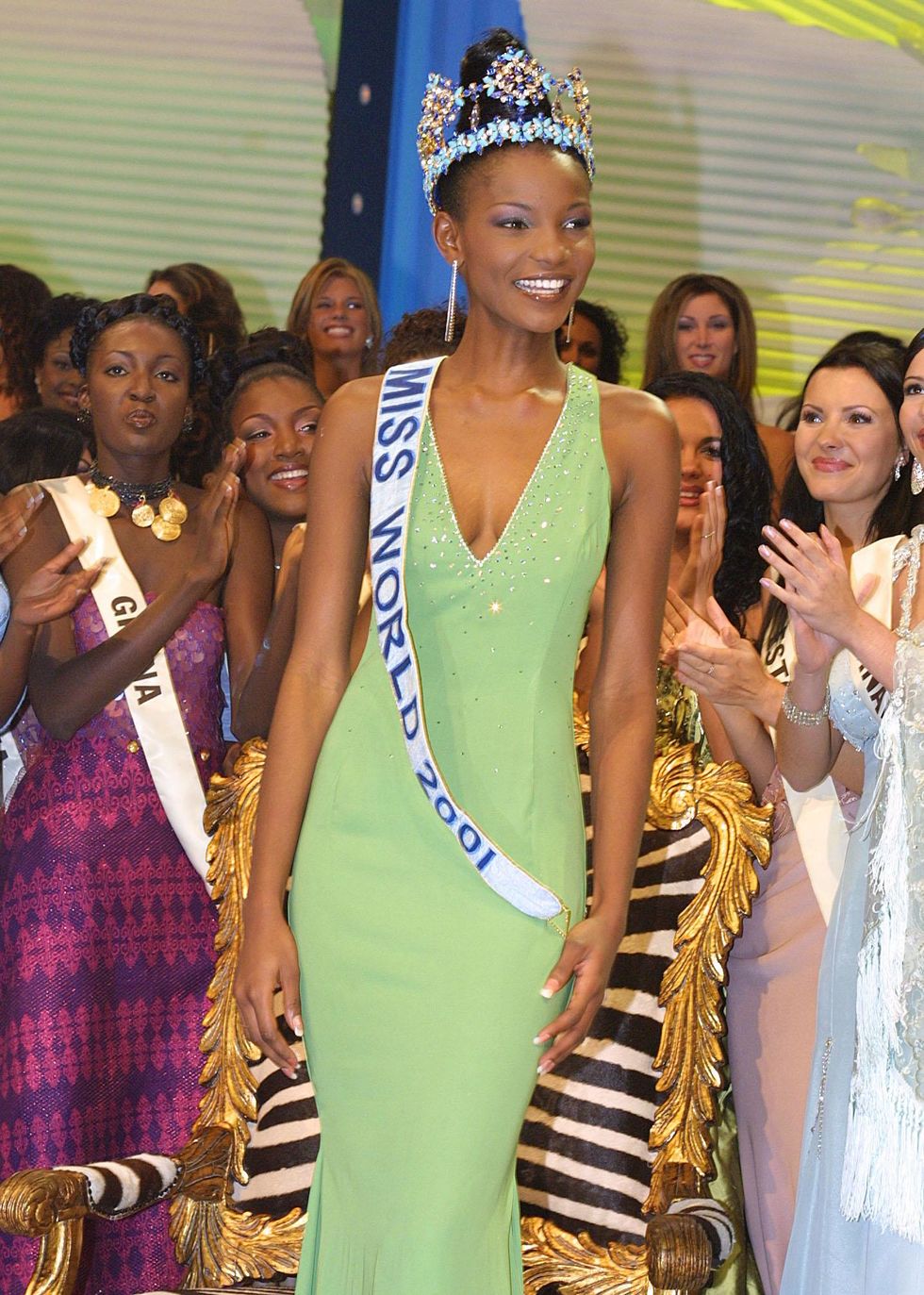
On the evening of November 16, 2001, the world stopped, or at least the living rooms, bars, and beauty salons across Nigeria. In Sun City, South Africa, under the glare of television lights and the polite stiffness of an international audience, a young woman from Rivers State walked across a stage in a sapphire gown and made history.
Her name is Agbani Darego. Her achievement is becoming the first African and the first Black African woman to win the Miss World crown in the pageant’s 51-year history.
It was not just a beauty pageant win, it was a cultural shift. A moment that jolted global beauty standards out of their narrow frame and placed African beauty, poise, and intellect at the center of the stage. For millions of Africans, it was proof that elegance and excellence did not require translation. It was proof that we could be celebrated exactly as we are.
Before the Crown – The Girl from Abonnema
Agbani’s story begins far from the glossy runways of Paris or the camera flashes of New York. She was born in Abonnema, a small town in Rivers State, Nigeria.
Childhood for Agbani was warm but not without hurdles. Her mother, Inaewo, a businesswoman and style icon in her own right, passed away when Agbani was just 12. That loss would become both a wound and a quiet push.
Education remained a priority, which is typical for an average Nigerian. Agbani attended Federal Government Girls’ College, Abuloma.
Later, she enrolled at the University of Port Harcourt to study Computer Science, but fate, ambition, and a runway would soon pull her in a different direction.
Breaking the Beauty Barrier
Before 2001, the world of international beauty pageants often felt like a members-only club with Eurocentric beauty standards at the door. Winners were overwhelmingly white, or when “diverse”, still often conform to a certain Westernized look or possess Eurocentric features.
African contestants rarely made it to the final stages, let alone wore the crown.
History
Rewind the Stories that Made Africa, Africa
A Journey Through Time, Narrated with Insight.
Agbani’s win was not just a personal victory, it was an interruption of a familiar flow. A sudden reshuffling of the deck of cards on a familiar table.
Her high cheekbones, deep brown skin, and short natural hair did not just stand out, they challenged decades of unspoken rules about what was “universally” beautiful. She did not dilute her identity to fit the mold. Instead, she expanded the mold until it could fit her.
The Road to Sun City
Her first step into the national spotlight came earlier that same year, when she won the Most Beautiful Girl in Nigeria (MBGN) pageant. That win earned her the right to represent Nigeria at Miss World 2001.

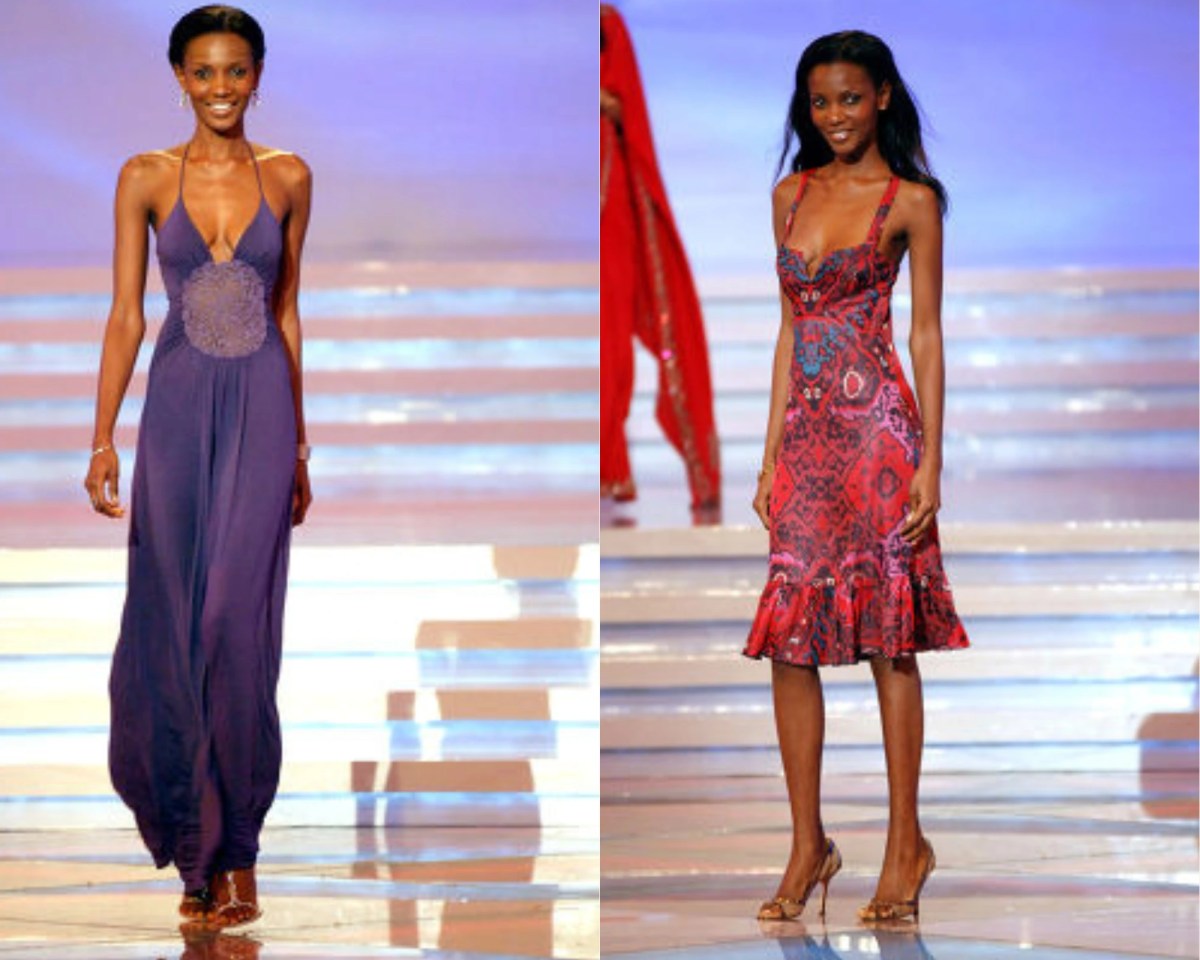
Preparation was intense. Pageant training is not just about walking in heels or smiling on cue, it is a full course in public speaking, global etiquette, current affairs, and diplomacy. Agbani approached it like an exam she had no intention of failing.
At Sun City, she faced 92 contestants from around the world. The competition was fierce, but her stance was firm.
In the final round, she was asked about the most important invention of the last century. Her answer, concise, and intelligent, was the sort of reply that makes judges lean forward. She did not just win with beauty; she won with brains and a quiet confidence that didn’t ask for permission to be known.
The Crown Moment
When the announcer called her name, there was a half-second pause, as if the universe needed a moment to adjust. Then applause. Then cameras. Then a standing ovation.
Back home, Nigerians poured into the streets. For weeks, her face was on every newspaper cover, every billboard, every conversation.
It was not just national pride, it was continental. Across Africa, her win felt like collective ownership. For once, the crown did not just sit on a head, it sat and made history.
Global Recognition and Career After Miss World
A popular saying goes: “Heavy is the head that wears the crown” and the Miss World crown was not an exception. It was heavy and not just with jewels, but with expectations.
History
Rewind the Stories that Made Africa, Africa
A Journey Through Time, Narrated with Insight.
Agbani handled it with the same composure she had shown on stage. She signed with Ford Models in New York, appeared in Vogue, Elle, and Marie Claire, and walked runways for top designers.
But she never lost her grounding. She understood that visibility was a currency, and she spent it wisely. Her career choices reflected a balance between high fashion and personal authenticity.
Changing the Representation Game
Agbani Darego’s win created a ripple effect. In the years after her victory, more African contestants began breaking into the top tiers of international pageants.
Her success sent a message to the global fashion and beauty industries that African beauty was not a “niche” or “exotic” trend, it was timeless and universal.
Her win also inspired a new generation of Nigerian models, Oluchi Onweagba, Mayowa Nicholas, and others, who went on to dominate runways and campaigns. Even in the world of Nollywood and African music videos, you could see the influence as darker skin tones and natural hair began appearing more frequently, celebrated rather than hidden.
Beyond Beauty – Building a Brand and Giving Back
Agbani has never been content with being just a pretty face. She launched her denim and fashion line, AD by Agbani Darego, offering ready-to-wear pieces that blend African style with global appeal.
She has also worked on initiatives to promote education and women’s empowerment, issues that hit close to home, given her own journey.
She has been careful about her public image, choosing privacy and substance over gossip. In a culture that often pressures beauty queens into endless publicity stunts, she has built a life that is both selective and impactful.
The Legacy – Two Decades Later
It has been over 20 years since Agbani Darego’s win, but the resonance has not faded. Since then, African women like Angola’s Leila Lopes (Miss Universe 2011) and South Africa’s Rolene Strauss (Miss World 2014) have worn major crowns, continuing the legacy she helped ignite.
History
Rewind the Stories that Made Africa, Africa
A Journey Through Time, Narrated with Insight.
In Nigeria, her name is still shorthand for grace and achievement. She remains a pop culture reference point, mentioned in songs, comedy skits, and everyday conversations as a standard of elegance.
But perhaps the truest measure of her legacy is how ordinary it now feels to see African beauty on global stages. In 2001, her win was a miracle. Today, it is an expectation and that is progress.
More Than a Crown
Agbani Darego’s story portrays beauty, visibility, possibility, and rewriting the script. Her crown was a mirror in which millions of African women could finally see themselves reflected without compromise.
She walked across that stage in Sun City and carried an entire continent with her. And while the world saw a queen, Africa saw a sister, a daughter, a role model and proof that sometimes, the most radical thing you can do is show up exactly as you are.