The Fake Drug Epidemic: How Counterfeit Medicines Are Flooding African Markets
Fake medicines kill nearly 500,000 Africans each year. Discover how counterfeit drugs flood markets, the global networks behind them, and the urgent solutions to end this silent epidemic.
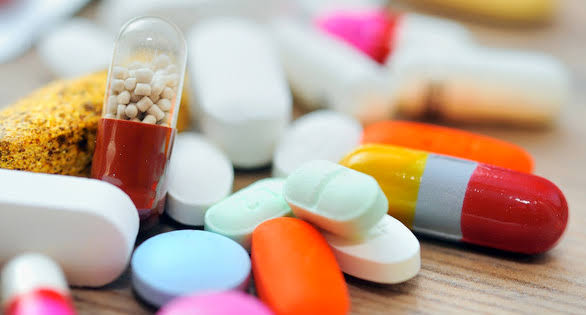
INTRODUCTION: Deadly Pills, Empty results
Imagine a mother buying antibiotics for her feverish child from a local pharmacy. The packaging looks authentic, the price reasonable. But days later, the child’s condition worsens and fests reveal a horrifying truth the medicine contained no active ingredient at all. It was nothing more than colored chalk.
This isn’t an isolated tragedy. Across sub-Saharan Africa, nearly half a million people die every year from fake and substandard medicines, according to the UN Office on Drugs and Crime. These deaths are often silent, hidden behind medical records that list “malaria,” “pneumonia,” or “drug resistance” as the cause, while the true killer slips through unnoticed.
While global counterfeit factories churn out fake pills that flood African markets, the real scandal lies closer to home: porous borders, weak regulatory oversight, and a healthcare system stretched beyond breaking point. It is a crisis that thrives in the shadows, preying on the trust of patients and the desperation of families.
THE SCALE OF THE CRISIS: One In Five Pills Is Fake
The numbers are staggering and deadly. According to joint research from the World Health Organization (WHO) and the United Nations Office on Drugs and Crime (UNODC), up to one in every ten medicines circulating in Africa is either fake or dangerously substandard. In some countries, the figure spikes to over 30% when testing common lifesaving drugs like antimalarials and antibiotics.
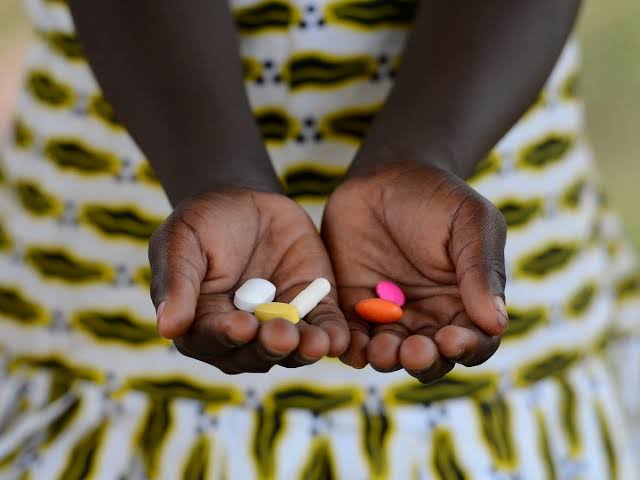
Photo Credit: The Guardian
These aren’t just faulty batches from careless manufacturers; they are often deliberately engineered counterfeits expertly packaged to look legitimate but containing little or no active ingredients. In some cases, they are laced with toxic fillers like industrial paint, flour, or powdered brick.
The most targeted drugs are the very ones Africa can least afford to compromise and is essential, it’s a crisis built on high demand and low affordability, where counterfeiters exploit the gap between what patients need and what they can afford flooding markets with cheap, lethal imitations that too often pass unnoticed until it’s too late.
HOW THE FAKES FLOOD AFRICAN MARKETS
The journey of a counterfeit pill into an African medicine cabinet is rarely a straight line — it’s a maze of loopholes, corruption, and calculated deception.
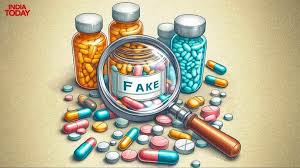
Photo Credit: India Today
A. Supply Chain Loopholes
Africa’s borders are notoriously porous. Smugglers move fake medicines alongside contraband cigarettes, textiles, and electronics. At ports and airports, while underfunded, inspection teams lack the resources to test every consignment. In many countries, import paperwork is treated as proof of authenticity even when the goods inside tell a different story.
B. Street Pharmacies
Once inside the country, counterfeit drugs slip into the informal retail network roadside stalls, open-air markets, and unlicensed street pharmacies where medicines are sold like groceries.
C. The International Trail

Investigations by Interpol and national drug agencies have traced many counterfeit shipments to industrial-scale factories. The drugs are often shipped as “chemical goods” or “nutritional supplements” to evade detection. Once in Africa, they are repackaged locally with forged expiry dates and holograms, making them almost indistinguishable from genuine products.
ECONOMIC DAMAGE: Billions Lost
The counterfeit drug crisis is not only killing people, it’s bleeding Africa’s economies dry.
A. The Hidden Cost
Treating the victims of fake and substandard medicines costs African nations a lot of money, that’s money siphoned away from already overstretched health budgets, funds that could have built clinics, trained nurses, or stocked genuine life-saving drugs.
Legitimate pharmaceutical companies are also hit hard. Local manufacturers and licensed importers struggle to compete with the rock-bottom prices of counterfeits, losing market share to criminal networks. Some shut down entirely, unable to match prices without breaking the law. The result? More market space for fake drugs.
B. Trust Erosion
The damage extends beyond balance sheets. As counterfeit medicines spread, public trust in hospitals, pharmacies, and health authorities collapses. Patients question whether the drugs they’re prescribed are real. Some turn to black-market alternatives or traditional remedies, further eroding public health efforts.
Once trust is broken, even genuine drugs become suspect a dangerous spiral that makes recovery harder and criminal profiteering easier.
REGULATORY STRUGGLE: Fighting A Shadow Economy
Africa’s war on counterfeit medicines is being fought with slingshots against an army armed with billions.
A. Weak Enforcement
In many countries, the laws governing medicine quality were written decades ago before e-commerce, globalized supply chains, and industrial-scale counterfeiting even existed. Penalties are often laughably small, amounting to little more than a business expense for criminal networks.
Regulatory bodies like NAFDAC in Nigeria or the Pharmacy & Poisons Board in Kenya are tasked with policing sprawling markets and vast borders but they are chronically underfunded, understaffed, and overstretched. With a handful of inspectors for millions of citizens, fake drugs slip through like water through a sieve.
B. Crackdowns That Work — Briefly
Occasionally, authorities strike back. Container-loads of counterfeit pills are seized at ports. Street vendors are arrested. Public burnings of fake drugs are staged for the cameras. But the victories are often short-lived.
Counterfeit networks are nimble and highly adaptive changing brand names, altering packaging, or rerouting shipments before regulators can even catch up. Within weeks of a high-profile raid, the same products resurface under different labels, sold in the same markets, sometimes by the same vendors.
It’s a shadow economy that thrives on weak governance, and until enforcement becomes both smarter and sustained, these small wins will remain fleeting.
TECH AND INNOVATION: Turning The Tide
While counterfeiters adapt fast, technology is finally giving regulators, pharmacists, and patients new tools to fight back.
A. Verification Solutions
Nigeria’s Mobile Authentication Service (MAS) has been a game-changer in giving power back to consumers. Legitimate drug packs carry a scratch-off code; buyers text it to a toll-free number to instantly confirm authenticity. Similar SMS-based verification platforms are rolling out in Kenya, Ghana, and Rwanda, putting real-time drug checks in the hands of everyday citizens even in areas with no internet access.
B. Blockchain and AI
Some African startups are experimenting with blockchain systems to log every step of a medicine’s journey from factory floor to pharmacy shelf making it almost impossible to swap in fakes without detection.
At customs, AI-powered scanners and image recognition tools are being tested to spot telltale flaws in packaging, from blurred logos to incorrect hologram placement. Combined with predictive analytics, these systems could flag suspicious shipments before they even leave the port.
GLOBAL RESPONSIBILITY: WHO OWNS THIS CRISIS?
Africa’s fake drug epidemic isn’t just a local failure — it’s a global scandal with fingerprints in faraway factories and shipping ports.
A. Exporting Nations’ Role
Many of the counterfeit medicines flooding African markets originate from industrial-scale operations in foreign countries. While these countries are also home to legitimate pharmaceutical giants, lax oversight and corrupt networks allow rogue manufacturers to churn out perfect-looking but deadly fakes for export.
B. International Cooperation
No single country can dismantle the counterfeit drug trade alone. Criminal networks operate across multiple jurisdictions, using smuggling routes that shift constantly to avoid detection.
A sustained, coordinated effort blending law enforcement, technology, and diplomatic pressure is the only way to dismantle this shadow industry. Without it, Africa will remain an open market for counterfeiters, and the world will remain complicit.
SOLUTIONS AND ROADMAP FOR ACTION
Africa’s counterfeit drug crisis isn’t inevitable, it’s the result of choices. And with the right mix of enforcement, education, and economic strategy, those choices can change.
Photo Credit: Unsplash
A. Strengthening Borders and Laws
Tougher import controls are non-negotiable. That means scanning every shipment, building specialized anti-counterfeit units at ports, and upgrading customs technology. Outdated drug laws must be rewritten with stiff penalties that make trafficking fake medicines a high-risk, low-reward crime.
B. Public Education
Citizens are the first line of defense. National campaigns should teach people how to spot suspicious packaging, check verification codes, and report shady vendors. Public health messaging must be constant not just after a big scandal.
In rural areas where fake drugs often circulate freely, outreach should leverage radio, community leaders, and schools to spread awareness.
C. Building Local Pharmaceutical Capacity
The most strategic long-term solution is to reduce dependence on imports by investing in local drug manufacturing. Countries like South Africa, Morocco, and Egypt already have growing pharmaceutical sectors but regional partnerships could make Africa a genuine hub for affordable, quality medicines.
CONCLUSION: A Deadly Business That Thrive on Weakness
The counterfeit drug epidemic is more than an underworld hustle, it’s a mirror reflecting Africa’s deepest vulnerabilities: weak borders, underfunded health systems, and fractured governance. Criminals don’t just exploit these weaknesses; they depend on them.
But this fight can be won. With coordinated policy, relentless enforcement, and a vigilant public, Africa can choke off the supply chains that have turned pharmacies into minefields.
Every fake pill sold is a silent death sentence, one that doesn’t just kill patients, but trust, progress, and hope. Ending the silence is the first step toward ending the epidemic.