The African Influence Behind Some of America’s Iconic Comfort Foods
Before it was called soul food, it was African food. This is the hidden story of how West African cooking shaped America’s most iconic comfort dishes.
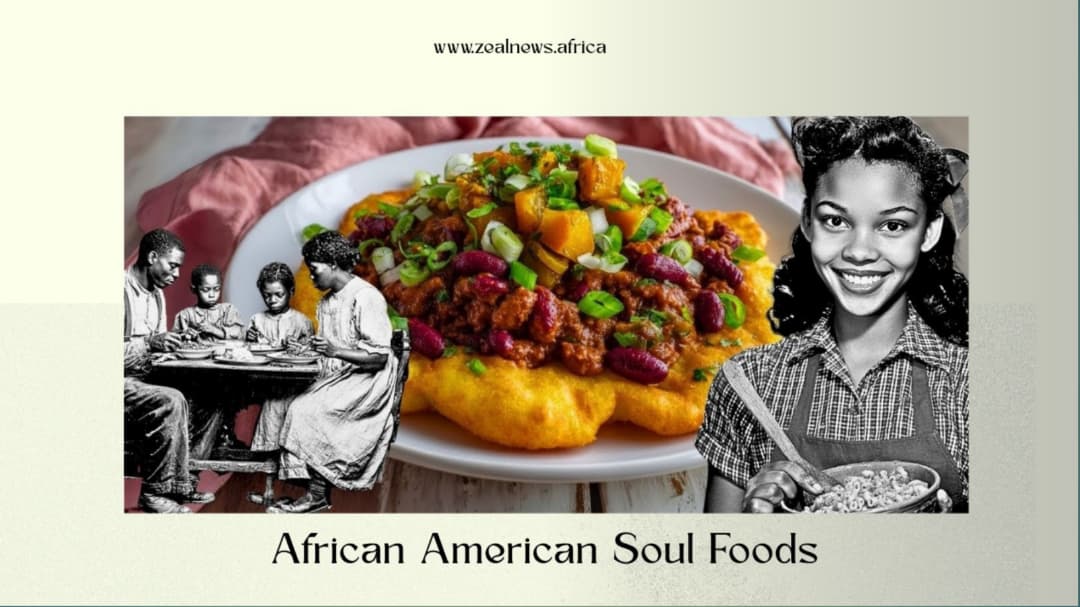
When a plate of gumbo is served in Louisiana, or a bowl of jollof-style rice appears at a family gathering, it often feels purely “American” or “Southern.”
But, much of what is now known as American comfort food has its origins in West African cooking traditions.
These influences, carried across the Atlantic through the painful history of the transatlantic slave trade, did not disappear. Instead, they adapted, survived, and evolved into what is now widely recognised as soul food.
A culinary memory carried across the Atlantic
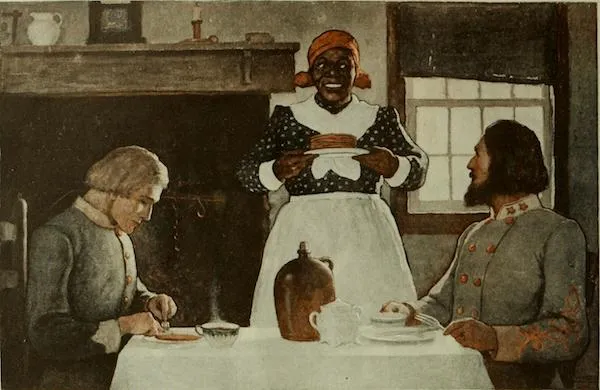
Enslaved Africans did not arrive in the Americas empty-handed in knowledge, even though they were stripped of freedom.
Many brought with them deep agricultural and culinary expertise, skills in rice cultivation, seasoning techniques, and one-pot cooking traditions.
West African food culture already centred on bold flavours, slow cooking, and ingredients such as okra, leafy greens, and legumes. These foundations would later become essential in shaping Southern American cuisine.
Even under harsh and restricted conditions, these food traditions survived through adaptation and necessity, becoming one of the most enduring cultural legacies of African people in the diaspora.
The African roots behind familiar American dishes
Many dishes commonly associated with American Southern cooking have clear parallels in West African cuisine.
Take gumbo, for example. Its thick texture and use of okra strongly resemble okra-based soups found across West Africa. The word “gumbo” itself is widely believed to be derived from African languages referring to okra.
Then there is jambalaya, a rice-based dish often linked to Louisiana cuisine. Its structure closely mirrors West African rice dishes such as jollof rice, where grains are cooked with spices, vegetables, and protein in a single pot.
Similarly, black-eyed peas and rice, often called Hoppin’ John in the American South, shares cultural and culinary similarities with West African bean and rice combinations that remain staples in countries like Senegal and Nigeria.
These are culinary echoes of a shared history.
History
Rewind the Stories that Made Africa, Africa
A Journey Through Time, Narrated with Insight.
Adaptation under pressure: the birth of soul food
In the Americas, African culinary traditions did not remain unchanged. Enslaved Africans were often forced to cook with limited ingredients like scraps, leftover cuts of meat, and whatever was available.
This constraint led to innovation.
Cooking techniques such as deep frying, slow simmering, and heavy seasoning became ways to transform basic ingredients into rich, flavourful meals.

Over time, these methods evolved into what is now known as soul food, a cuisine deeply rooted in resilience, creativity, and cultural memory.
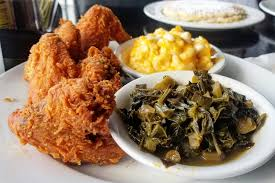
Dishes like fried chicken, collard greens, cornbread, and stewed vegetables became staples not just for survival, but for identity and community.
From survival to cultural identity
After slavery, African American communities continued to preserve and expand these food traditions. Cooking became more than nourishment, it became a way of maintaining identity, passing down heritage, and building community strength.
Over generations, soul food developed into a recognised cultural cuisine, celebrated across the United States and beyond. Yet its African origins are often overlooked in mainstream food narratives.
Today, chefs, historians, and cultural researchers are increasingly reconnecting these dots, showing how deeply African culinary traditions are embedded in American food culture.
A shared global influence
The influence of African cuisine is not limited to the United States. Across the Americas and the Caribbean, African food traditions have shaped national dishes and everyday meals.
Understanding this connection does more than rewrite food history, it restores visibility to the people and cultures that helped shape it.
History
Rewind the Stories that Made Africa, Africa
A Journey Through Time, Narrated with Insight.
And in doing so, it becomes clear that soul food is not just American cuisine.
It is a living reflection of African heritage, still present in kitchens, restaurants, and homes around the world today.
Conclusion
The connection between African cuisine and African American food culture is not distant or symbolic, it is direct and deeply rooted.
In understanding this connection, food becomes more than taste. It becomes history on a plate.
And in many homes today, that history is still being cooked, served, and shared– one meal at a time.