The 2025 Wig Economy: Why Lacefronts Have Become a Bigger Flex Than iPhones
In 2025 Nigeria, lace-front wigs have evolved into powerful symbols of status, identity, and economic influence often overshadowing iPhones as the ultimate flex. This deep dive explores the booming wig economy, cultural impact, social media influence, and why premium wigs have become a defining feature of modern Nigerian style.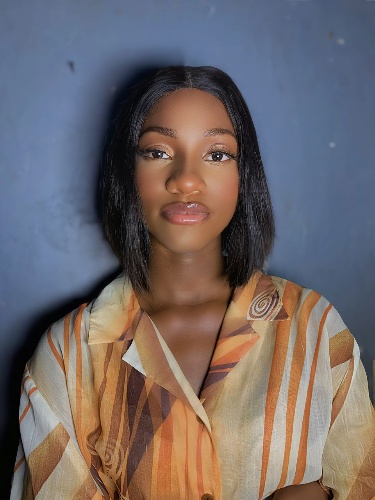
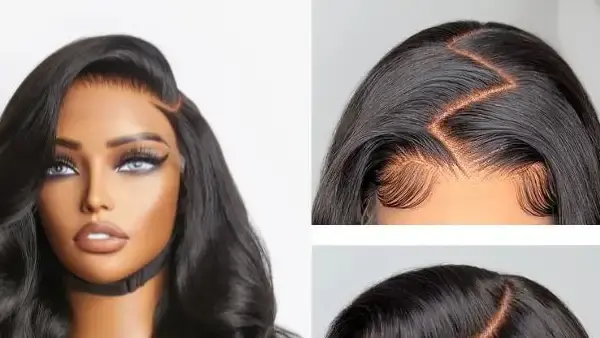
If there is one thing that has become undeniably obvious in Nigeria’s beauty and fashion landscape, it is that lace‑front wigs are no longer just accessories; they have transformed into symbols of status, identity, and economic leverage.
In 2025, owning a premium wig is more about clout, personal branding, and even financial visibility than it is about style. For many young Nigerians, a well-crafted lace-front wig now carries as much weight as an iPhone, sometimes more.
From Hair Accessory to Status Symbol
Walk through Lagos’ Balogun Market, the streets of Ikeja, or scroll through Instagram for a few minutes, and the evidence is clear: wigs are everywhere. Real ones. Lace‑front, HD lace, 360 lace, each offering a promise of beauty, versatility, and confidence.
Industry estimates suggest there are more wig shops across Nigeria as of mid-2025 than 2024, with Lagos alone accounting for the lion’s share. These are no longer niche boutiques, they are now the hubs of a booming micro-economy.
Spending patterns further confirm this trend. Nigerian women reportedly spend over $429 million annually on imported artificial hair, with premium human-hair wigs taking the bulk of this expenditure. Lace-fronts, in particular, have become a symbol of financial capability; investing in one signals that the wearer is both fashion-savvy and economically empowered.
The Allure of the Lace-Front
What makes lace-front wigs so coveted? Several factors contribute:
1. Natural Hairline Illusion
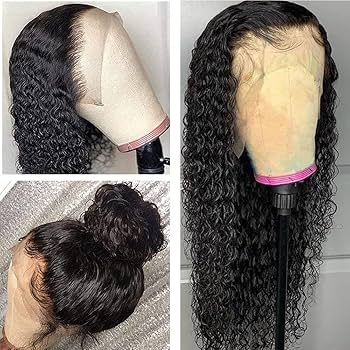
Lace-front wigs have a delicate mesh strip along the front that mimics a natural hairline. When applied correctly, it creates the illusion that the hair is growing directly from the scalp, eliminating telltale wig caps or unnatural shine.
The realism of this effect cannot be overstated especially in a society where personal presentation is closely tied to social perception.
2. Versatility and Styling Freedom
Unlike traditional wigs, lace-front units can be parted, slicked back, or styled in elaborate ways. Many are made from real human hair, allowing owners to straighten, curl, or wash them without compromising quality. This flexibility makes the wig not just a fashion statement but a daily tool for self-expression.
3. Symbol of Investment and Prestige
Not every wig purchase is casual. High-end lace-front wigs, particularly raw donor human hairunits with HD lace, can cost between ₦300,000 and over ₦1, 000,000. Purchasing such a piece is less about hair; it is a subtle declaration of status, taste, and the ability to invest in oneself.
Social Media and the Wig Revolution
Part of the reason lace-front wigs have reached such prominence is the pervasive influence of social media. Instagram, TikTok, and Facebook have become primary marketplaces where wig sellers showcase transformations, tutorials, and customer reviews.

Influencers and entrepreneurs have turned wig-making into an aspirational career. Many sellers operate primarily online, shipping units across Nigeria and internationally. Social media platforms have turned what was once a local trade into a national and global business opportunity, democratizing access while fueling competition.
Economic Realities and Market Dynamics
Despite the glamour, the wig economy comes with complexities.
Nigeria’s wig industry relies significantly on imported hair, primarily from China, India, and Vietnam. This dependence exposes the market to foreign exchange fluctuations and contributes to trade imbalances, putting pressure on the naira.
Reports have also highlighted unethical practices in human hair collection, raising questions about the origins of some of the hair used in high-end wigs. While these wigs serve as symbols of empowerment, they also underscore a hidden human cost.
It is important to note that the market has its share of dishonest practices. Some vendors resell generic wigs as premium units, charging exorbitantly. Consumers need to be vigilant to avoid paying high prices for low-quality products.
While premium lace-front wigs can cost hundreds of thousands of naira, some women turn to second-hand or lower-cost human hair or even synthetic alternatives to stay fashionable without financial overextension. Even these purchases feed into the broader economy and culture of wearing wigs.
The Wig as Cultural Statement
Beyond its economic and aesthetic value, the lace-front wig has become a powerful cultural symbol in Nigeria. It is no longer just about beauty.
It communicates identity, creativity, and social belonging. Wigs allow individuals to experiment with styles that may not be possible with their natural hair, offering a sense of freedom and self-expression.
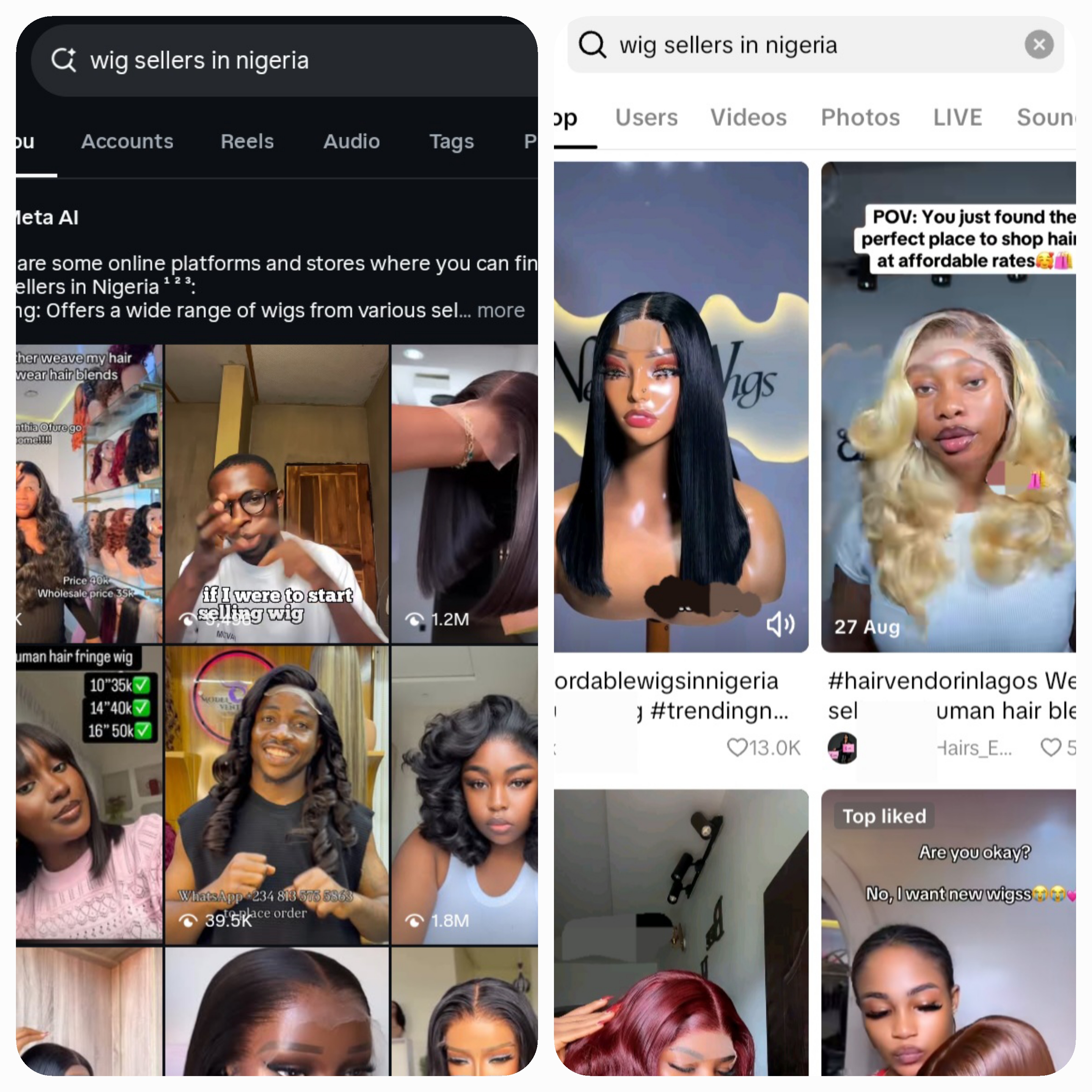
Social media has amplified this effect. Platforms like Instagram and TikTok showcase not just hairstyles, but lifestyle narratives. Wig transformations, styling tutorials, and before-and-after reels have created a digital culture where lace-front wigs are markers of creativity and personal branding.
Influencers set trends with new textures, colours, and hairline techniques, which ripple down to everyday users, making certain wig styles synonymous with prestige, confidence, and modernity.
The wig also reflects societal shifts in perceptions of beauty and power. In professional settings, a polished wig conveys elegance and authority.
In social settings, bold colours and textures signify individuality and trend awareness. The lace-front wig has thus evolved into a versatile tool that communicates multiple layers of meaning.
Why Lace-Front Wigs Surpass iPhones in Cultural Value
It may seem hyperbolic, but for many, lace-front wigs have become a more significant flex than owning an iPhone. Why?
Unlike phones, wigs are a public-facing form of status. A high-end lace-front is noticed in person, in selfies, and on social media feeds.
Also, a wig is intimate; it is part of how someone presents themselves to the world. It communicates aesthetic taste, social belonging, and personal confidence.
Quality human hair wigs can last years with proper care. Unlike gadgets that depreciate or become obsolete, wigs can be maintained, styled, and even resold.
It is safe to say owning a premium lace-front signals not only wealth but also fashion literacy, an understanding of beauty standards, and participation in broader cultural trends.
The Future of the Wig Economy
Several trends suggest that the wig economy is poised for further growth.
One of it is reducing reliance on imports could create jobs and improve margins, making high-quality wigs more accessible.
Also, brands that focus on fair trade and ethical hair sourcing could lead the market toward more responsible consumption.
As conversations around natural Black hair gain momentum, wigs incorporating African textures and hairstyles may rise in prominence, combining tradition with modern aesthetics.
Final Thoughts
In Nigeria’s evolving beauty landscape, lace-front wigs are more than fashion items, they are economic instruments, cultural signifiers, and women’s lifestyle tools. They reflect not only what people wear but also how they are seen, what they value, and how they navigate social and professional spaces.
Spending heavily on a premium wig is now an investment in self-expression, confidence, and social visibility. As the wig economy matures, it is likely to become even more central to Nigeria’s fashion, economic, and digital ecosystems. For many, a lace-front wig is now a bigger flex than an iPhone and perhaps, a truer measure of contemporary status.