The £1.1 Billion Question: Why Does Oil-Rich Nigeria Still Import Fuel?
A newly released UK trade report shows Nigeria imported £1.1 billion worth of refined fuel from Britain in 2025. The figure raises important questions about industrialisation, refining capacity, and where Africa's largest oil producer creates economic value.
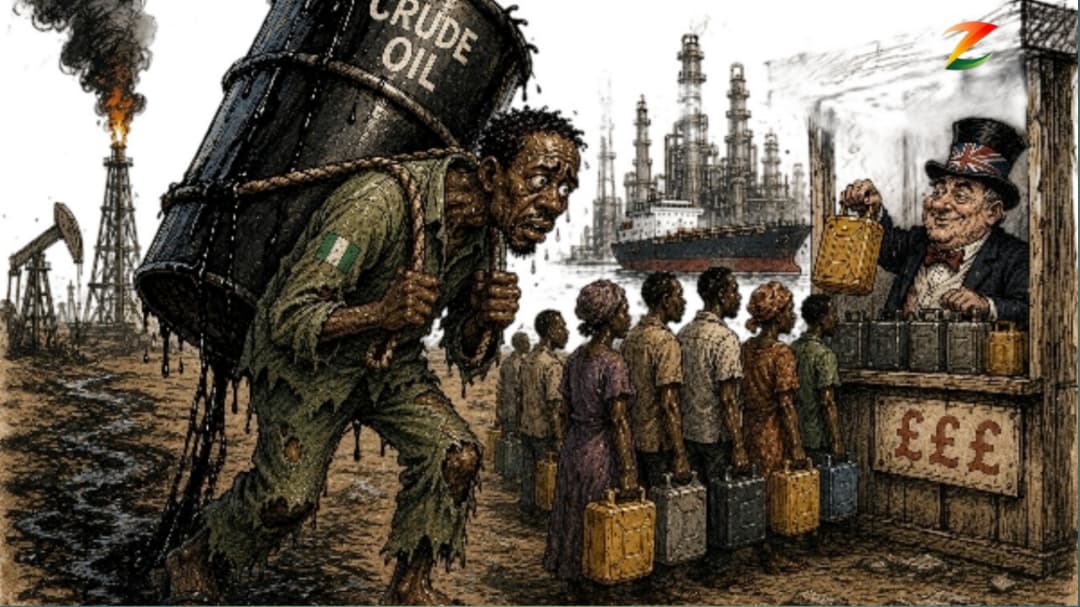
Nigeria discovered oil in 1956. Since then, petroleum has shaped the country's economy, government revenues, foreign exchange earnings, and helped establish Nigeria as a major player in global energy markets.
Yet nearly seventy years after the first commercial oil discovery, a startling contradiction remains.
According torecent trade data from the UK Department for Business and Trade, Nigeria imported £1.1 billion worth of refined oil from the United Kingdom in the year ending December 2025.
Pause for a moment.
A country blessed with abundant crude oil reserves spent over a billion pounds purchasing petroleum products from another nation.
If that sounds strange, it should.
Because this is not merely a story about fuel, but about how modern economies create wealth and why possessing resources is often very different from profiting from them.
The Paradox of an Oil-Producing Nation
Crude oil is a raw material and before it becomes petrol, diesel, aviation fuel, lubricants, or other products used every day, it must pass through a refining process that requires specialised facilities, technology, investment, and skilled labour.
The journey from crude oil to fuel is where much of the economic value is created.
History is filled with countries blessed with natural resources that never became industrial giants, so having a resource is one thing, building industries around it is another.
Nigeria's dependence on imported fuel reflects that challenge.
Nigeria has often exported the raw material and imported the finished product.
Think about what that actually means in practice.
You grow the mangoes, you sell them cheaply, someone else turns them into juice, puts them in a bottle with a label, and sells it back to you for five times the price. That is essentially what has been happening with Nigerian oil.
Why Fuel Imports Matter Beyond the Pump
Discussions about refining capacity often sound like something for economists and policymakers.
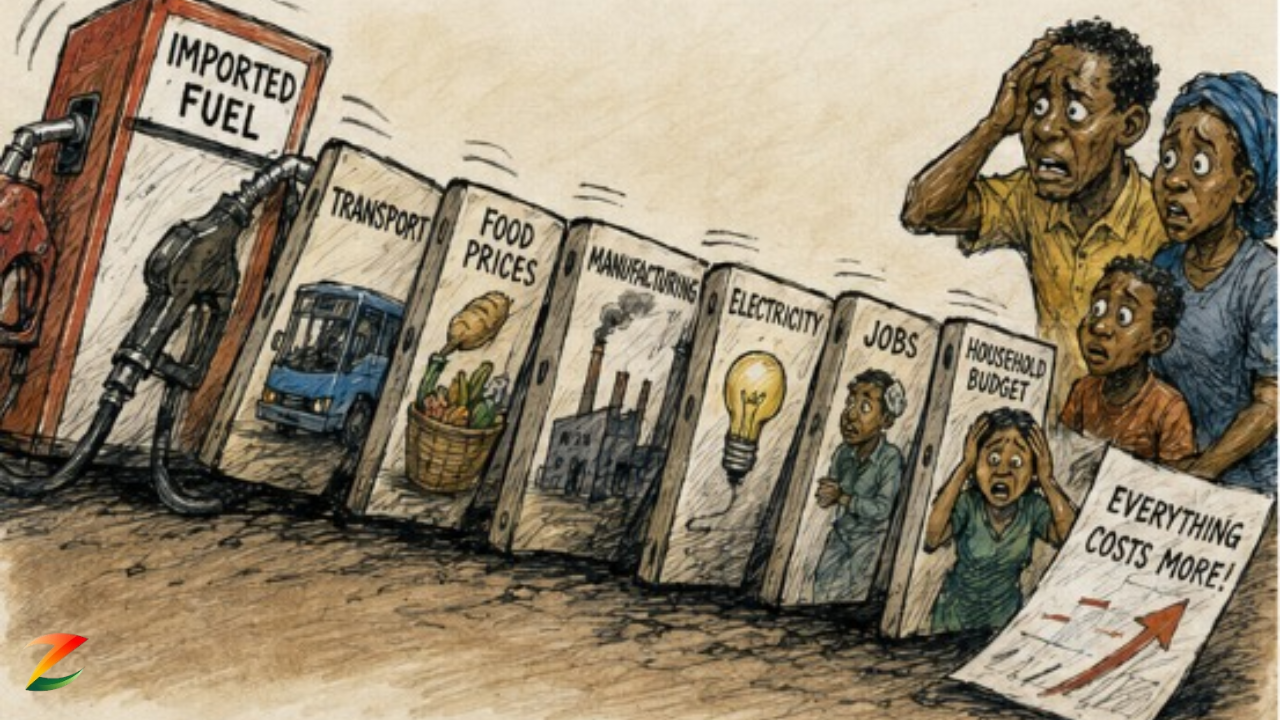
But ordinary Nigerians feel the consequences every day.
Anyone old enough to remember fuel queues, subsidy battles, and sudden petrol price hikes knows that fuel is never just another commodity in Nigeria.
A fuel import bill does not stop at the port, it moves through the economy, affecting production costs, transport fares, and the prices consumers encounter every day.

This is why the debate around refining capacity is so important.
It is not simply about producing fuel locally, but about reducing vulnerability and strengthening the country's economic foundations.
Countries that process more of their own resources tend to create jobs, develop technical skills, strengthen supply chains, and support a wider network of businesses.
A refinery does not operate alone.
It depends on engineers, technicians, transport operators, maintenance firms, financial services, and supporting infrastructure.
Over time, those connections help build a stronger industrial base.
What £1.1 billion is actually telling you
The timing of the latest trade data is significant.
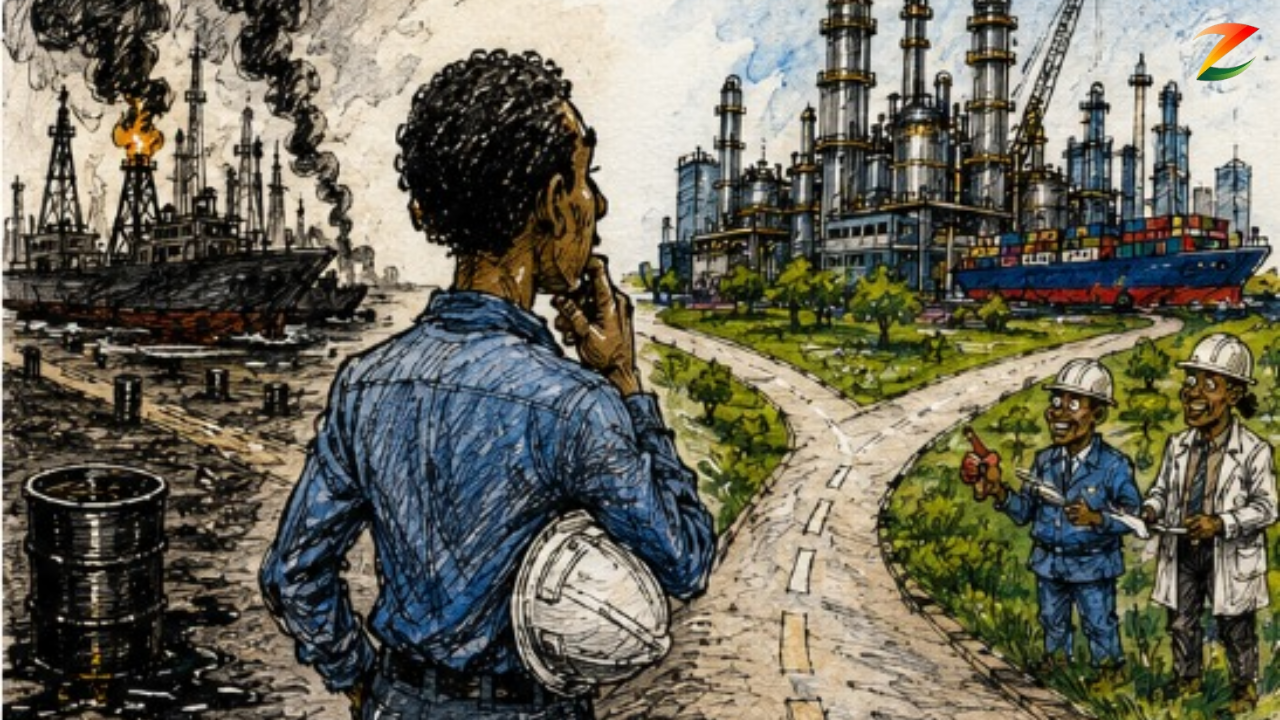
Nigeria is currently trying to expand domestic refining capacity through major investments, including the Dangote Refinery and ongoing efforts to rehabilitate state-owned facilities.
The goal is to reduce dependence on imported fuel and keep more economic activity within the country.
Whether those efforts succeed will depend on much more than refining alone. Reliable infrastructure, policy consistency, access to investment, technical expertise, and effective institutions will all play important roles.
The comparison between Nigeria and countries such as the United Arab Emiratesis often presented as a story about oil wealth.
In reality, it is a story about what happened after oil was discovered.
Both countries benefited from petroleum resources. Yet while one steadily diversified into sectors such as aviation, logistics, finance, tourism, and global investment, Nigeria remained heavily reliant on crude exports for much of its economic strategy.
Of course, the two countries are very different. Nigeria has a population of more than 220 million people, while the UAE has fewer than 10 million, their histories and economic realities are not the same.
Still, one lesson stands out.
Natural resources create opportunities, they do not automatically create prosperity.
The £1.1 billion spent on refined fuel imports should therefore be seen as more than a trade statistic.
Nigeria's future will not be determined solely by the volume of crude oil beneath its soil.
It will be determined by how effectively the country transforms that resource into industries, capabilities, and lasting economic value.
Because in the twenty-first century, resources are not the prize, what you do with them is.