Terminator 2D Game Reveals Radical Alternate Future for Movie Tie-Ins
For nearly three decades, video games based on popular films were a common sight, often released across multiple platforms. Despite their ubiquity, most suffered from tight deadlines and limited film access, leading to a reputation for poor quality. This article explores the rise, quality challenges, commercial drivers, and eventual decline of movie tie-in games by around 2010.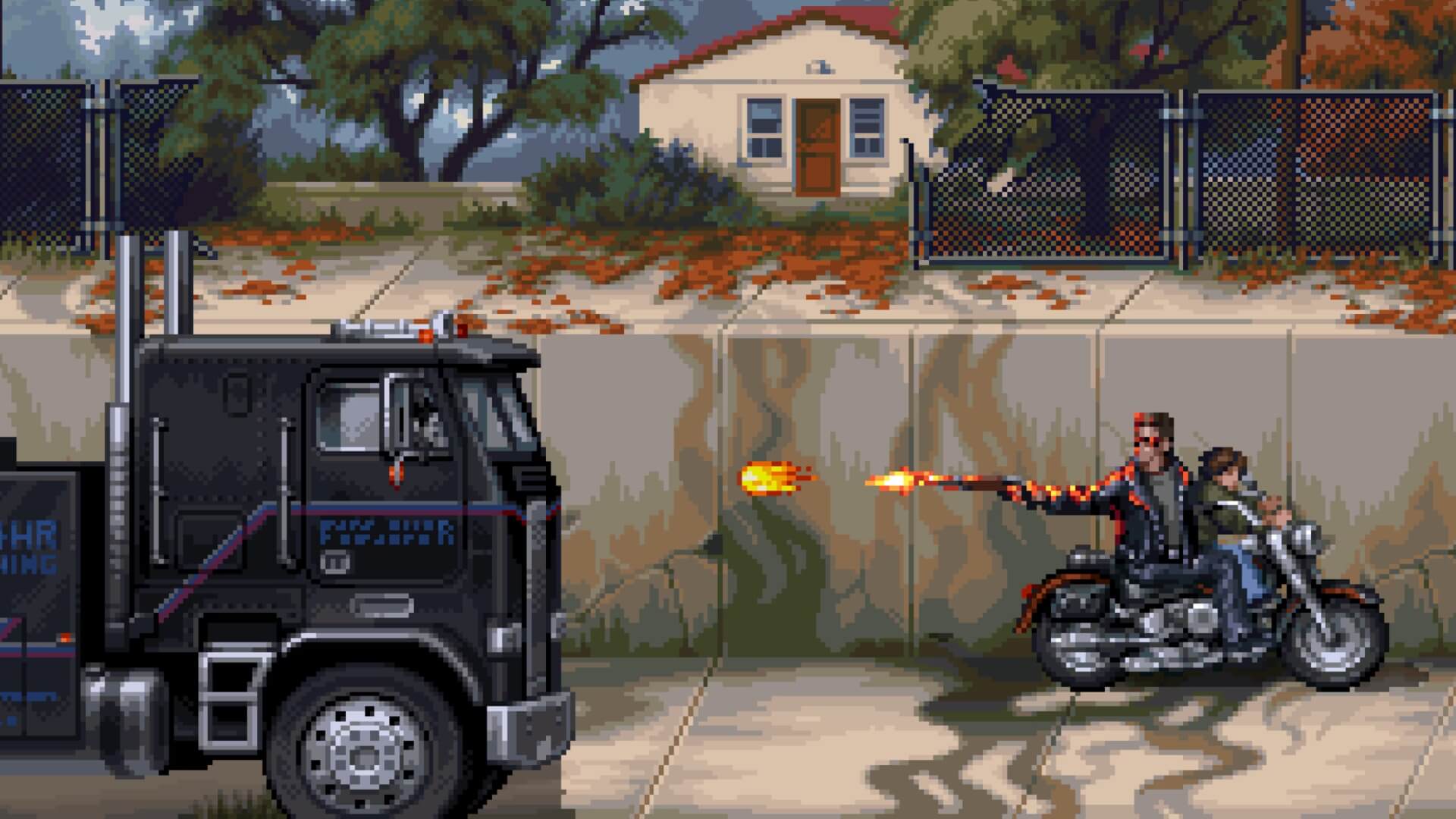
For a significant period spanning roughly 25 years, the entertainment landscape saw a robust intersection between the film and video game industries. Nearly every major action, science fiction, fantasy, or children's film released by a prominent studio was accompanied by at least one, and often several, video game adaptations. These games were custom-built by various development teams for a multitude of platforms, including arcades, personal computers, and the popular consoles and handheld devices of the era. This era even spawned a peculiar subgenre in the 1980s and 1990s: video games named after R-rated movies, inexplicably marketed towards younger audiences who were legally unable to watch the source material. A notable example includes a game based on Oliver Stone’s profoundly somber Best Picture winner, Platoon, alongside numerous distinct titles derived from Tim Burton’s inaugural Batman film, each developed by different studios for various platforms.
Despite their pervasive presence, the vast majority of these movie tie-in games were critically underdeveloped and, frankly, not very good. This deficiency in quality could typically be attributed to several systemic issues. Development teams often faced extremely tight production schedules with inflexible deadlines, leading to rushed products. Furthermore, there was a prevalent belief within the industry that the mere association with a popular movie title would be sufficient to drive sales, thereby diminishing the perceived need for robust game design or innovative gameplay. Compounding these issues, game studios frequently had limited access to detailed information about the films they were adapting. This lack of insight often resulted in games that failed to accurately reflect the movie’s intricate plotlines, unique aesthetic, or overall tone, leading to a disconnect between the source material and its interactive counterpart.
However, there were exceptions to this general rule of mediocrity. The most well-received movie games tended to fall into two categories: those that were developed and released considerably after the movie's theatrical run, allowing for more comprehensive and less rushed development cycles (such as the series of Star Wars platformers from the early 1990s), or those that meticulously focused on a very specific scene or core concept from the film. Exemplary instances include the iconic dogfighting sequences immortalized in the original Star Wars arcade game, or the distinct quartet of minigames featured in the Tron arcade game – a rare adaptation that some argue surpassed its cinematic inspiration.
Commercially, acquiring a movie license did not inherently guarantee success. While some of these games proved to be monumental flops, others achieved remarkable sales figures, with legendary tales of unsold copies being unceremoniously buried in a New Mexico landfill. Nevertheless, when a licensed game did strike a chord with consumers, it could be immensely lucrative, providing substantial revenue streams. Moreover, the extensive marketing campaigns for the movies themselves provided an unparalleled level of awareness for their gaming counterparts, ensuring that these titles were consistently visible to a broad audience. This blend of potential profitability and inherent marketing synergy cemented movie tie-in games as a steady and constant fixture within the video game industry for nearly three decades.
Ultimately, this long-standing practice began to wane. By approximately 2010, the production of movie-based video games largely ceased. This decline was primarily driven by an accumulating reputation for poor quality, which in turn led to increasingly soft sales figures. The diminishing returns and the growing skepticism from both critics and consumers signaled the end of an era where movie licenses were a ubiquitous, if often flawed, component of the video game landscape.