State House Fights Back: Denies President Hichilema Shut Courts to Block Petitions!
State House has denied allegations that President Hichilema ordered the recent court closures in Zambia to obstruct election petitions, asserting the Judiciary's independence. Officials cited intelligence-led security risk assessments across government premises, though civil society organizations have raised significant concerns regarding the timing and lack of transparency.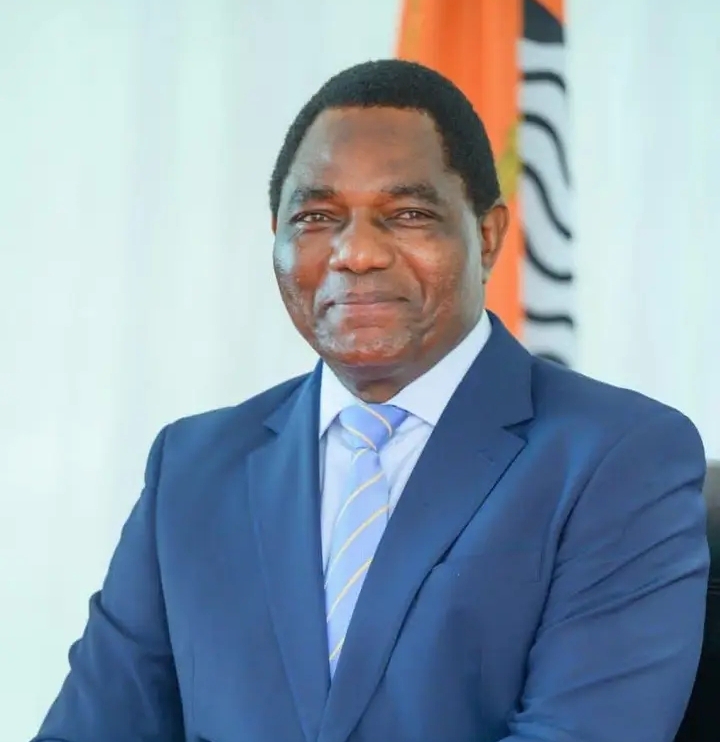
State House has vehemently denied claims that Zambian President Hakainde Hichilema ordered the closure of courts on Monday, asserting that the Judiciary is an independent arm of the State and the President lacks constitutional authority over court filings. This denial comes amidst growing criticisms from civil society groups regarding the measures taken.
According to State House Chief Communications Specialist Clayson Hamasaka and confirmed by Inspector General of Police Graphel Musamba, the measures implemented on Monday were part of intelligence-led, preventive security risk assessments being carried out at selected key Government premises across the country. These operations were not directed at the Judiciary alone but also included institutions under the Ministry of Justice, the Ministry of Home Affairs and Internal Security, the National Prosecution Authority, and the Attorney General’s Chambers. The aim was to safeguard Government institutions, public officers, and members of the public accessing those premises.
Hamasaka emphasized President Hichilema's firm belief in good governance, the rule of law, and the principle of the separation of powers. He argued that a precautionary measure applied across several arms and departments of Government could not reasonably be presented as an operation aimed at a single litigant or intended to block opposition election petitions. Furthermore, Hamasaka noted that the suspension of court operations is not without precedent in Zambia, citing instances such as during the COVID-19 pandemic when sittings were curtailed for public safety. On each such occasion, normal business resumed following an administrative response to conditions on the ground.
Regarding the timing of the closures, Hamasaka clarified that the Electoral Commission of Zambia declared the presidential result on Tuesday, 18th August 2026, opening the constitutional window for petitions. Courts subsequently sat, received filings, and transacted business on working days that followed, yet no petition was lodged against the presidential result during that period. He challenged those claiming a prepared petition was prevented from being filed to produce it along with evidence of attempts to lodge it, stressing that serious allegations against constitutional institutions require serious evidence. Hamasaka also warned against conflating security measures affecting physical access to premises with the denial of judicial remedy, affirming that remedies under Zambian law remain available and courts are open to those who invoke them.
Hamasaka also pointed out a