Sputnik 1 and the Birth of the Space Age (October 4, 1957): What It Meant Then — What It Means Now
On October 4, 1957, Sputnik 1 launched the Space Age, sparking a global race for innovation. What lessons does its legacy hold for Africa today?
Introduction
Picture an African village in the early 1900s. A group of elders sitting under a baobab tree, shaking their heads at a story insisting that one day humans will soar through the skies like birds. “Impossible,” they mutter. “If man was meant to fly, God would have given him wings.” Yet, far away in America, the Wright brothers were proving otherwise, taking to the skies in 1903 with the first powered airplane.
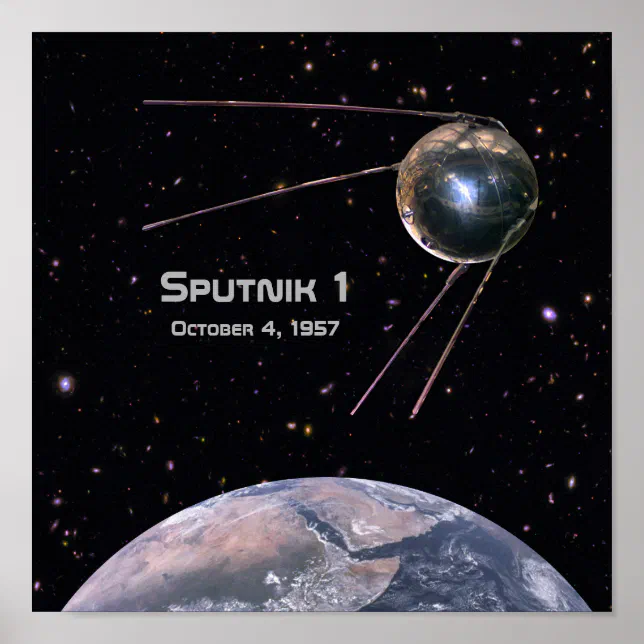
Fast-forward just half a century later, and the world faced another “unbelievable” achievement: that an object with antennas could circle the Earth and send signals from space. Who would have thought it? On October 4, 1957, the Soviet Union launched Sputnik 1, the world’s first artificial satellite. It was a metallic sphere barely 58 centimeters wide, yet its faint “beep-beep-beep” sent shockwaves across the globe.
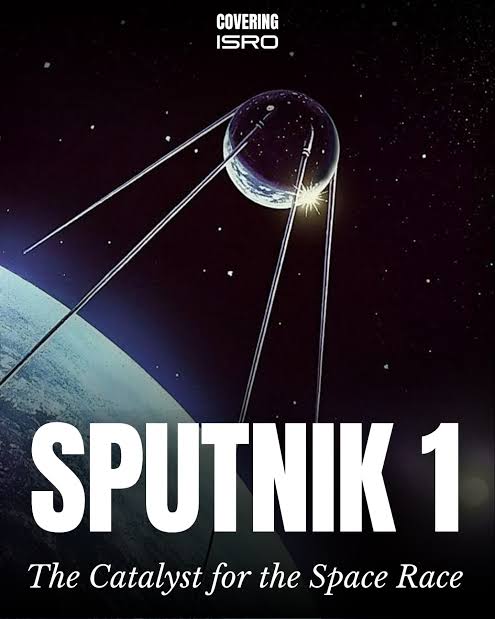
Sputnik was more than a satellite; it was a symbol. A statement. A wake-up call that humanity had entered the Space Age. For the first time, humans were no longer confined to Earth, they had placed an object in orbit. But Sputnik also triggered a fierce competition, reshaping science, geopolitics, and ambition. Today, 68 years later, the echoes of Sputnik still matter. As private companies like SpaceX, nations like India and China, and even African countries are redefining the meaning of space power, we must ask: What lessons does Sputnik hold for today’s world and for the future of developing nations?
Sputnik’s Immediate Impact: A Beep Heard Around the World
In the tense climate of the Cold War, every scientific achievement doubled as a military flex. The United States and the Soviet Union were locked in an ideological and political rivalry. Sputnik’s success shocked the world, it wasn’t just that the Soviets had beaten them to space, but what it implied: if the USSR could launch a satellite, others could also launch systems that could be capable of causing changes anywhere on Earth
Eventually other parts of the world started advancing and NASA was founded in 1958, Billions were poured into science, math, and engineering education to create a new generation of innovators.
The Space Race became a matter of survival, leading eventually to the U.S. landing on the Moon in 1969.
Sputnik wasn’t just a satellite; it was a spark that ignited the most ambitious technological rivalry and growth in history.
The Global Ripples: Science, Pride, and the Developing World
The shockwaves of Sputnik were not limited to Washington and Moscow. Around the world, it symbolized the dawn of a new era. Countries across Europe, Asia, and Africa began to dream of space.
For newly independent nations in Africa, the message was profound: technology could shift power dynamics. The West no longer had a monopoly on innovation, the East had proven capable of extraordinary feats. Though few African nations had the resources to pursue space programs then, Sputnik inspired a generation of scientists and engineers who saw technology as a path to independence and global relevance. Space was no longer just a mystery—it was a frontier that humans could reach.
History
Rewind the Stories that Made Africa, Africa
A Journey Through Time, Narrated with Insight.
Space Then vs. Space Now
Then: Superpower Rivalry
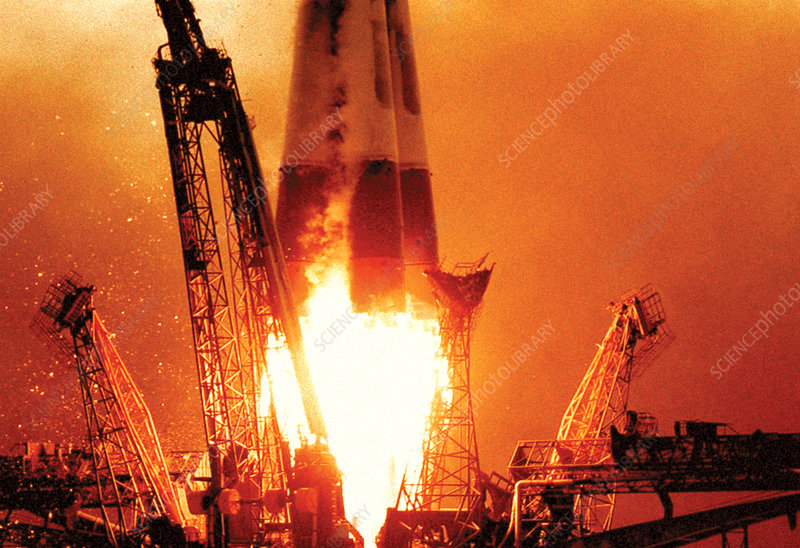
In the 1960s, space was a stage for propaganda. Every launch was a flex. Every astronaut or cosmonaut was a soldier in the Cold War. The goals were symbolic—who could plant their flag first, who could prove ideological superiority.
Now: A Multipolar Arena

Today, the drivers of space exploration have shifted.
Private Companies: SpaceX revolutionized space travel with reusable rockets. Blue Origin, Rocket Lab, and others are turning space into a business.
New Nations Rising: India landed on the Moon’s south pole in 2023 with Chandrayaan-3 at a fraction of the U.S. budget. China is building its own space station and eyeing Mars.
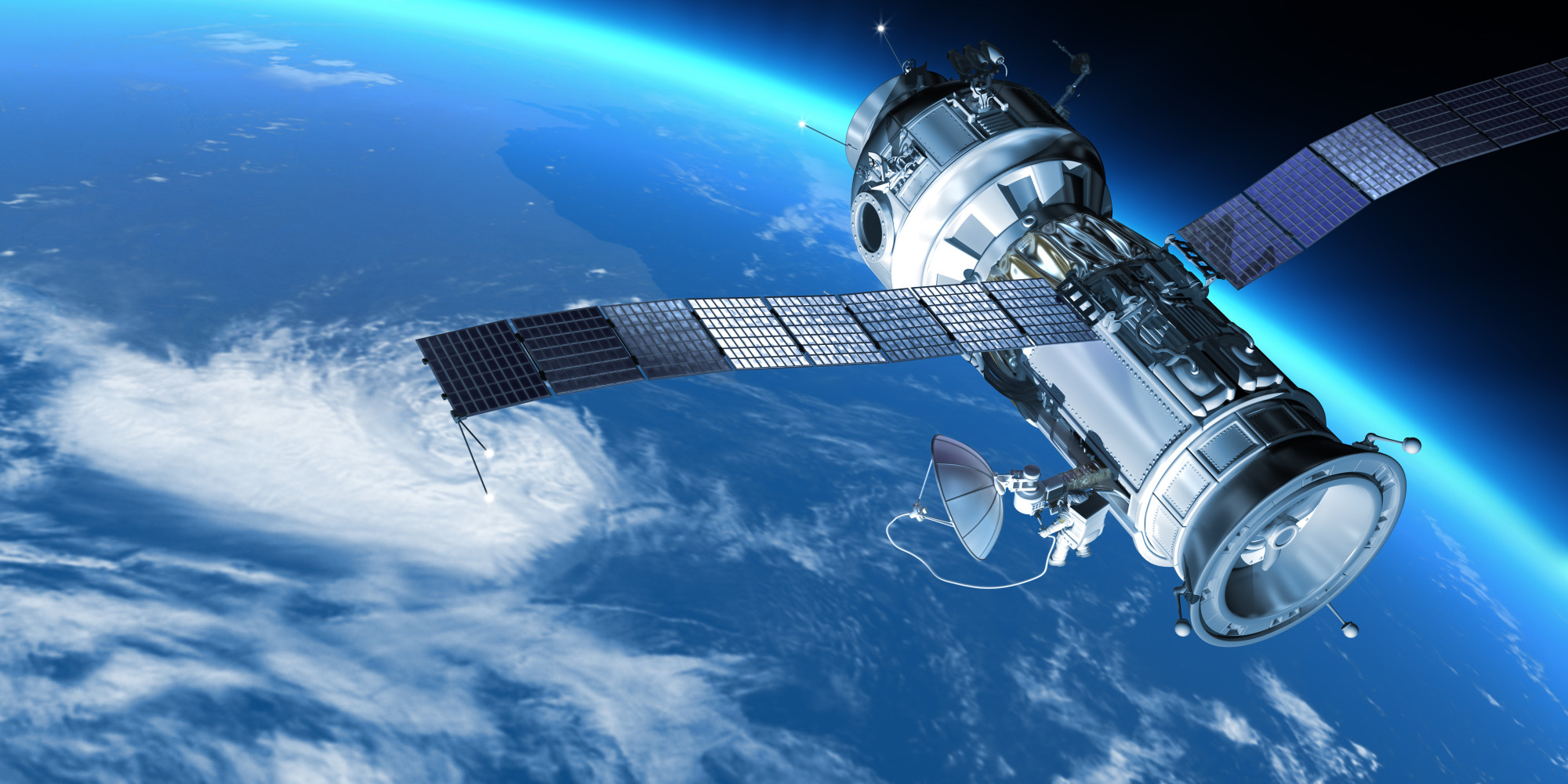
Practical Applications: Satellites today power GPS, weather forecasting, disaster management, internet access, agriculture, and banking systems. Unlike the prestige-driven past, modern space tech impacts daily life.
Space has gone from a playground of superpowers to a marketplace, an innovation hub, and a strategic resource.
Lessons for Africa and Developing Nations
Sputnik’s story is not just a relic of history—it carries lessons for Africa and the Global South today.
1. Invest in Education: Other parts of the world responded to Sputnik by reforming education, funding scholarships, and producing scientists who would fuel innovation for decades. Africa must do the same, channel resources into STEM education to build a future-ready workforce.
2. Own the Infrastructure: Satellites are not just about prestige, they control communication, defense, weather prediction, and even e-commerce. If Africa depends solely on foreign satellites, it will always be vulnerable. Programs like Nigeria’s NigComSat and South Africa’s space science initiatives show small but important steps.
History
Rewind the Stories that Made Africa, Africa
A Journey Through Time, Narrated with Insight.
3. Collaborate, Don’t Compete: No single African nation can fund Apollo-style missions. But the African Union, through collective investment, could build regional space programs—Pooling resources could put Africa in the game.
4. Turn Space into Development: For Africa, the goal shouldn’t be a flag on the Moon but solving problems on Earth:
Satellites for precision farming to fight food insecurity, space imaging for tracking deforestation and climate change and internet satellites for bridging the digital divide.
From Fear to Inspiration: How Ambition Changed
Sputnik was born from fear—fear of losing a War, fear of nuclear inferiority. But today’s space race is powered more by inspiration and innovation.
Elon Musk dreams of making humans a multiplanetary species, India dreams of being a budget space powerhouse, showing the world that ambition doesn’t always need billions.
Africa’s dream must be to leapfrog into the future by using space tech not for bragging rights but for developmental transformation. The shift is clear: where fear once drove exploration, now hope and opportunity lead the charge.
Conclusion: The Beep Still Echoes
When Sputnik beeped across the skies in 1957, it announced that humanity had crossed a threshold. The world was never the same again.
Today, the question is not who can launch the biggest rocket but who can harness space for the greatest good. The Sputnik may have been used to flex power, but for Africa and the Global South, the lesson is different: start small, dream big, and invest in the future.
After all, Sputnik was just a 58-centimeter metal ball—but it changed the world.
And so, the faint beeping of that little satellite still echoes, reminding us: the impossible is only impossible until it’s done.
History
Rewind the Stories that Made Africa, Africa
A Journey Through Time, Narrated with Insight.