Social Media Activism: Real Change or Just Noise?
From #EndSARS to #MeToo, hashtags have raised awareness—but is digital protest enough? This article explores the power and pitfalls of social media activism, and whether online outrage truly leads to offline impact.
.jpeg)
INTRODUCTION: A Hashtag and a Hope
In October 2020, the hashtag #EndSARS exploded across Nigerian Twitter. Within days, it had crossed borders, igniting global conversations and attracting solidarity from celebrities, activists, and world leaders. The virtual streets buzzed with energy, while the real ones were filled with protest. A new era seemed to be born—one where a tweet could spark a movement.
Across the continent and beyond, social media has emerged as a powerful tool for activism. From #MeToo to climate justice, to gender rights, the timeline has become a battleground for awareness, outrage, and digital solidarity.
But here lies the dilemma: Does going viral mean driving real change?
Or are we simply caught in loops of outrage, where hashtags trend, emotions flare, and then... nothing?
Defining Social Media Activism
Social media activism is more than just posting a black square or retweeting a trending hashtag. At the very basis, it's a form of digital advocacy that leverages online platforms and media to raise awareness, mobilize support, amplify marginalized voices, and ideally pressure decision-makers into action.
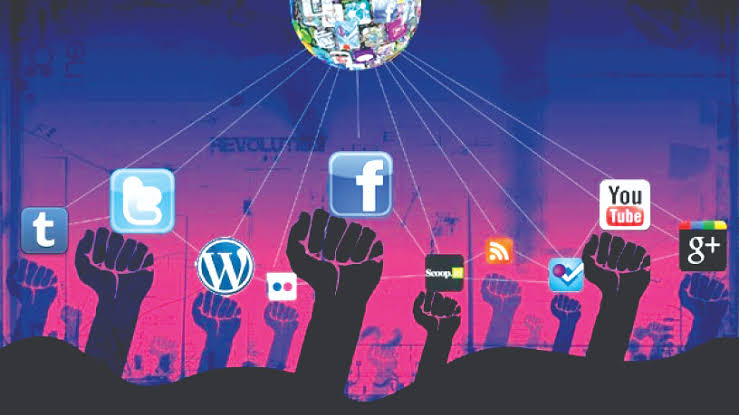
Photo Credit: Align Platform
Whether it’s calling out injustice, educating followers, or organizing real-world protests, digital activism has become the default mode of engagement for a connected generation.
But it’s crucial to distinguish online awareness from offline action. A hashtag might spark a conversation, but change is measured by policies shifted, lives improved, and systems transformed, not just likes and shares.
Yet, as powerful as it is, digital activism comes with its own set of contradictions.
It begs the question: Is posting enough? And when does visibility translate to impact?
The Wins: When Hashtags Spark Change
For all its critics, social media activism has produced undeniable moments of real-world impact. Sometimes, a tweet does more than trend, it triggers tangible reform.
Social Insight
Navigate the Rhythms of African Communities
Bold Conversations. Real Impact. True Narratives.
Photo Credit: Social Champ
Take #EndSARS, for example. What began as scattered online complaints about police brutality in Nigeria evolved into a nationwide digital uprising. Hashtags, viral videos, and coordinated online campaigns galvanized thousands of young Nigerians to protest across the country. Within days, the government announced the disbandment of the Special Anti-Robbery Squad (SARS), a major win, even as demands for justice and reform continue.
Then there’s #MeToo, which broke silence in industries long protected by power. The movement crossed continents, reaching African workplaces, universities, and creative spaces. Survivors found solidarity online, and perpetrators—some previously untouchable—were named, shamed, and in some cases, removed.
In 2020, #JusticeForUwa erupted after the rape and murder of Uwaila Omozuwa, a university student in Benin, Nigeria. The outrage was instant and intense. Hashtags carried her story beyond borders, sparking nationwide protests and forcing authorities to launch investigations. Arrests followed. Voices that might have once been dismissed became impossible to ignore.
These examples show what happens when digital speed meets collective emotion—a pressure cooker of accountability that governments and institutions can't easily silence.

Because while a protest in the streets can be broken up, a protest online never sleeps. Social media doesn’t just give a microphone; it gives a megaphone.
TheLimits: From Awareness To Action Gap
For every moment of impact, there’s also the haunting silence that follows. One day, a hashtag floods our feeds. The next, it’s gone, buried beneath memes, celebrity gossip, and the next outrage.
This is the paradox of slacktivism—activism that lives more in performance than participation. It’s easy to repost a graphic, retweet a protest, or change a profile picture. But does that count as real engagement? Is awareness without action enough?
Social media makes it tempting to confuse visibility with victory. Complex social issues are reduced to catchy slogans. Urgent demands are crammed into 280 characters. And when the digital storm passes, the root problems often remain.
Worse still, algorithms reward emotion over nuance. The most outraged, shocking, or sensational posts rise to the top, while thoughtful long-term solutions barely get seen. The result? A wave of fleeting empathy, followed by burnout and apathy.
This isn’t to say online outrage doesn’t matter. It absolutely does. But when activism stops at sharing a post, we risk building movements on sand. The gap between online awareness and offline action is where many causes fade.
Because a hashtag can light the fire, but change needs fuel—sustained pressure, real-world organizing, and uncomfortable, long-term work.
Algorithms & Attention: What Really Goes Viral?
In the digital age, activism isn’t just about the message—it’s about the metrics. And that means what goes viral often says more about platform algorithms than actual public interest or urgency.

Social Insight
Navigate the Rhythms of African Communities
Bold Conversations. Real Impact. True Narratives.
Photo Credit: Reddit
This has led to the aestheticization of activism. Think of the black squares during #BlackLivesMatter, or carefully curated protest selfies that look more editorial than emotional. The lines between genuine advocacy and content creation blur, raising a tough question: Are we fighting injustice—or just building our brands?
Serious causes can struggle to compete in this environment. Posts about genocide, rape culture, or economic inequality often lose traction unless they’re visually “on-brand” or wrapped in viral language. And when the content stops performing, so does the activism, creating cycles of short-lived outrage and long-term silence.
As a result, what’s trending isn’t always what matters most. And when virality becomes validation, activism risks becoming performative performance not a call to action, but a chase for attention.
True activism demands more than curated posts; it's more about actual impact than engagement metrics. We shouldn't confuse visibility with value.
Real change demands more than shares. It needs discomfort, consistency and depth, things algorithms rarely reward.
Youth, Power & The Digital Frontline
Across Africa, young people aren’t just scrolling, they’re strategizing, organizing, and mobilizing. In a continent where traditional power structures often silence dissent, Gen Z and Millennials have taken the fight online, transforming social media into a frontline for social justice.
Platforms like Twitter (X), Instagram, TikTok, and even WhatsApp groups have become digital megaphones for movements. During the #EndSARS period, protests in Nigeria were youth-led Twitter accounts that coordinated logistics, shared emergency contacts, exposed police brutality in real time, and raised millions in crowdfunding. It wasn’t a political party or media house—it was young people with smartphones, data bundles, and urgency.
In Uganda, digital activist Stella Nyanzi used Facebook to challenge government oppression. In Kenya, grassroots youth movements like #SabaSabaMarchForOurLives trended through coordinated digital campaigns. Across the continent, youth are launching online petitions, hosting Instagram Lives, creating protest art, and building community hashtags that travel across borders.
These young Africans are not waiting for permission; they’re using the tools they have to demand the future they deserve. From fashion designers who turn clothes into protest symbols to influencers who use humor and storytelling to educate their followers, activism is no longer confined to the streets or parliaments; it’s now woven into timelines, captions, and viral threads.
This generation isn’t just participating in democracy; they’re redefining it, one click, post, and protest at a time.
Beyond The Post: Turning Activism Into Policy
Going viral is powerful, but virality without structure risks fading into noise. The real challenge begins after the hashtags stop trending: How do we turn outrage into outcomes?
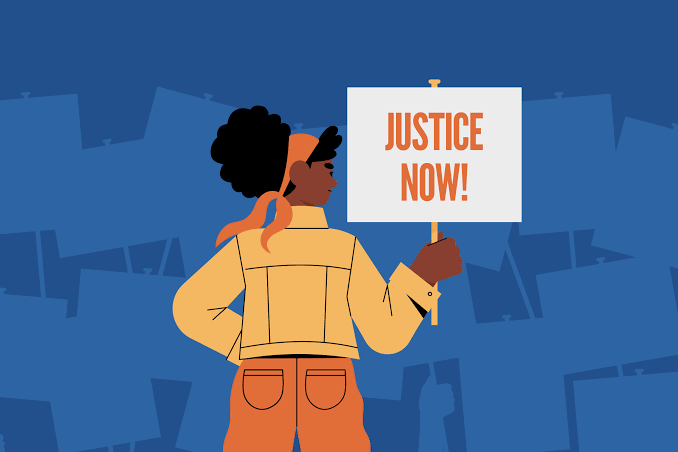
For social media activism to become lasting change, it must connect with offline organizing, policy engagement, and sustained civic pressure. Protests and posts may ignite attention, but without systems of follow-through, demands often dissolve into forgotten threads.
Social Insight
Navigate the Rhythms of African Communities
Bold Conversations. Real Impact. True Narratives.
Photo Credit: Google Image
We’ve also seen the rise of protest-to-petition pipelines, where digital outrage translates into structured demands. After the #JusticeForUwa campaign, petitions led to investigations and arrests. In South Africa, online movements around gender-based violence led to national dialogues and resource allocation.
Additionally, NGO partnerships and digital coalitions are helping amplify marginalized voices. When online communities collaborate with legal teams, journalists, and civic educators, movements gain both reach and teeth. A tweet can spark emotion, but policy change requires paperwork, pressure, and persistence.
Ultimately, hashtags alone can’t dismantle systems—only organized action can. If we want activism to outlive algorithms, we must invest in civic education, leadership, and platforms that channel digital momentum into real-world reform.
CONCLUSION: Posts Don’t Fix Problems—People Do
Posting is just the beginning.
In a connected world, social media has given young Africans the power to speak, rally, and resist in real time. It can amplify a whisper into a war cry, turning everyday users into digital activists. But for all its reach, a hashtag isn’t a revolution.
Real change isn’t just viral, it’s visceral. It requires organizing beyond the screen, pressuring institutions, writing policies, educating communities, and showing up when the trend dies down. Retweets raise awareness, but they don’t rewrite laws. Stories spark emotion, but systems require strategy.
So the next time you post, remember: you're helping shape the narrative. But the real work? It still happens offline—in meetings, on the streets, through petitions, and in parliament
chambers.
“A hashtag may start the fire but only people, policy, and persistence can keep it burning.”