Shocking Truth: How Artificial Sweeteners Impact Your Brain and Heart!
Frequent consumption of artificial sweeteners like aspartame and sucralose has been linked to potential heart and brain health concerns, despite their calorie-free nature. Studies suggest associations with cardiovascular issues and cognitive decline, urging moderation and a preference for natural alternatives such as fruit.:max_bytes(150000):strip_icc()/Health-GettyImages-1165095930-2c9ecfa8d0af420980c2f5a1b5743006.jpg)
Artificial sweeteners, widely marketed as calorie-free alternatives to sugar, are facing renewed scrutiny amid growing concerns about their potential effects on heart and brain health. While compounds such as aspartame, sucralose, stevia, and xylitol do not significantly raise blood sugar levels and contain little to no calories, emerging research suggests that frequent consumption may carry health risks. As a result, nutrition experts are increasingly emphasizing moderation and the importance of overall diet quality rather than reliance on sugar substitutes.
Many people turn to artificial sweeteners to support weight management or blood sugar control, both of which are important for cardiovascular health. For certain populations, including individuals with diabetes or obesity, this approach may be appropriate. However, a large 2022 study found associations between regular artificial sweetener intake and increased cardiovascular risk. Aspartame was linked to a higher likelihood of cerebrovascular events such as stroke, while acesulfame potassium and sucralose were associated with coronary heart disease. Sugar alcohols like xylitol and erythritol were also connected to elevated risks of heart attacks and strokes. Despite these findings, experts caution that research is still evolving and does not yet establish direct causation.
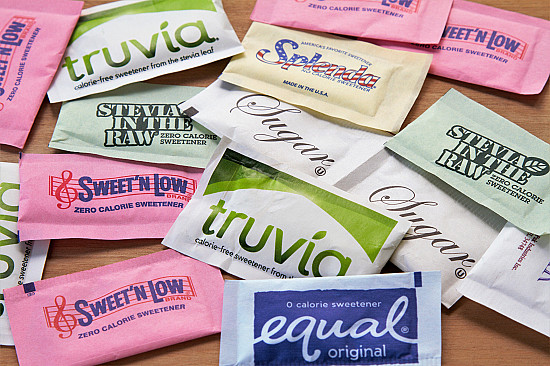
Concerns have also expanded to brain health. A 2025 study published in Neurology reported an association between frequent consumption of artificial sweeteners and accelerated cognitive decline, highlighting substances such as aspartame, saccharin, acesulfame potassium, erythritol, sorbitol, and xylitol. Previous studies have similarly linked high intake of artificially sweetened soft drinks to increased dementia risk. Researchers suggest these effects may be related to heightened inflammation and oxidative stress, while some sweeteners, particularly sucralose, may disrupt appetite regulation and intensify cravings due to their extreme sweetness.
Although the U.S. Food and Drug Administration maintains that artificial sweeteners are safe within established limits, nutrition experts draw a distinction between regulatory safety and optimal health. Specialists advise minimizing reliance on artificial sweeteners and reducing overall consumption of processed foods. While some individuals may benefit from replacing sugar with artificial alternatives under medical guidance, experts stress that conditions like heart disease and cognitive decline result from complex interactions involving diet, genetics, activity levels, and lifestyle, not a single ingredient.
When choosing how to add sweetness to the diet, dietitians often recommend moderation rather than avoidance. Small amounts of real sugar or natural options like honey or maple syrup may be preferable to excessive artificial sweetener intake. Current evidence suggests plant-based sweeteners such as stevia and monk fruit may pose fewer risks, though long-term data is still limited. Ultimately, fruit remains the healthiest option, offering natural sweetness alongside fiber, vitamins, and antioxidants that support both heart and brain health.