Shocking Revelation: Bruce Willis' Secret Dislike Almost Altered 'Die Hard 2' Forever!
Renny Harlin's latest film, "The Beast," starring Samuel L. Jackson, showcases innovative Volume technology and practical stunts, revealing behind-the-scenes challenges and triumphs. The veteran director also reflects on his career, from transforming Freddy Krueger and handling Bruce Willis in "Die Hard 2," to declining James Bond and discussing Hollywood's evolving landscape.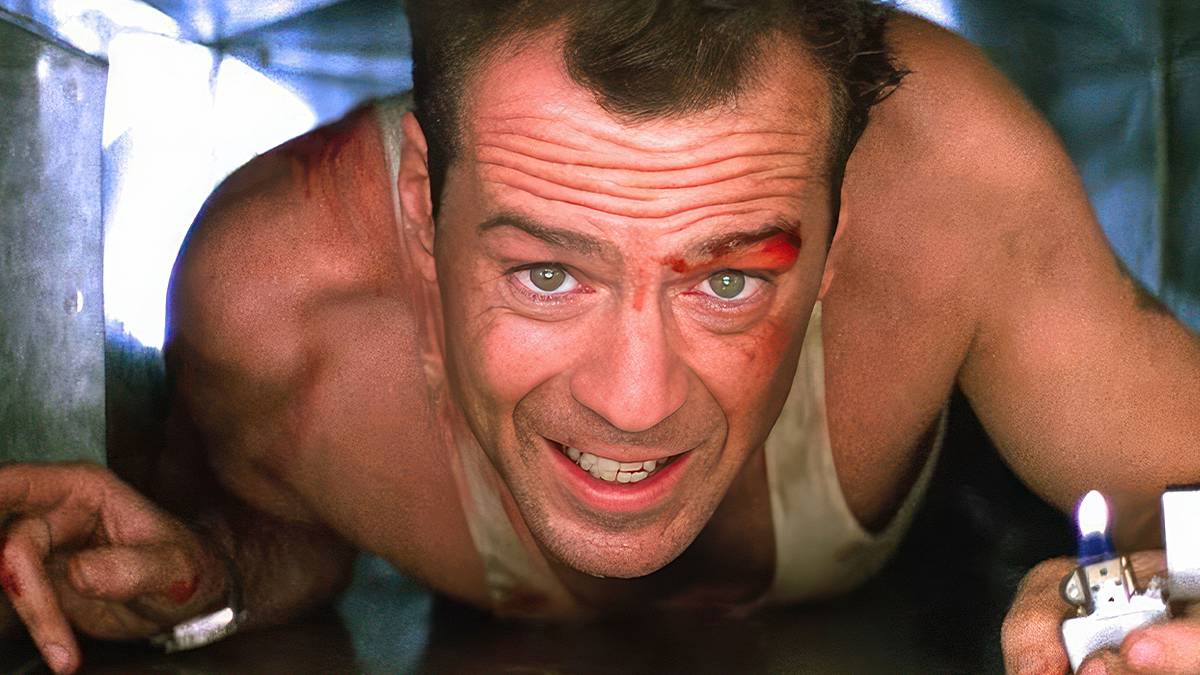
Veteran director Renny Harlin, known for his work on blockbuster action films and genre classics, recently sat down with Collider's Steve Weintraub to discuss his new action thriller, "The Beast," starring Samuel L. Jackson. The interview delved into the intricacies of its production, Harlin's extensive career, and his reflections on the evolving landscape of Hollywood filmmaking, including insights into "Die Hard 2," "A Nightmare on Elm Street 4," and even a revelation about turning down a James Bond film.
Production of "The Beast" began under an extremely tight schedule, with Harlin joining the project just days before location scouting. The film's premise involves the President (Samuel L. Jackson) and his Secret Service agent (Joel Kinnaman) escaping a military coup in a highly weaponized presidential limousine. A significant technical challenge was bringing the intense car sequences to life. Harlin emphasized a philosophy of "real" action over visual effects, leading to the innovative use of Volume technology. This involved first shooting all the external action – explosions, car crashes, and gunfire – with eight cameras in every direction. These real-world backdrops were then projected onto a 270-degree LED screen (with an additional screen to complete a 360-degree view) surrounding the car set, which was mounted on a hydraulic platform. This three-layered approach, with the projected background, the actors in the car, and a middle layer for practical elements like smoke, debris, and live actors interacting with the car, aimed to create an immersive and realistic experience for the actors and audience alike. Harlin noted the technological puzzle this presented, especially in syncing projections and platform movements, and the daily struggle to balance traditional cinematography with technical requirements for matching lighting. The presidential limousine itself was designed with research and creative license, featuring machine guns at the back and a unique "pulse rifle electromagnetic" weapon on the hood to offer a different kind of devastating effect, avoiding typical "boom, boom, boom" explosions. Attention was even paid to minute details like tracking bullet holes on the car's eight different window sets across various scenes to maintain continuity.
Samuel L. Jackson's on-set improvisation played a key role, particularly in the creation of an iconic line. Harlin, recognizing Jackson's frequent use of certain expletives, encouraged the actors to address this in a meta-dialogue, leading to an improvised "motherfucker" exchange that made the final cut. However, Harlin faced battles he ultimately lost regarding music rights, having to cut specific needle drops like Kenny G, Metallica's "Enter Sandman," and Samuel L. Jackson singing Madonna's "Vogue" and Prince's "Sexy Motherfucker" due to budget constraints. Despite these losses, Harlin successfully fought for a particular kind of score, opting for a retro, electronic sound inspired by 70s and early 80s films like John Carpenter movies, "Sorcerer," and "Thief," aiming for an 80s action movie guitar feel in the end.
Harlin also revisited pivotal moments in his career. While directing "Die Hard 2," he encountered resistance from Bruce Willis, who, having achieved movie star status, wished to abandon John McClane's signature dry humor and sarcasm for a more serious portrayal. Harlin, with the support of producer Joel Silver, struck a deal: Willis would film his preferred takes, followed by one "bullshit Renny Harlin way" take. Ultimately, Harlin incorporated all the comedic elements, including accidental smiles, leading to studio chairman Barry Diller requesting "more of that funny shit" after a screening, validating Harlin's vision for McClane's character. Reflecting on "A Nightmare on Elm Street 4: The Dream Master," Harlin recalled the chaotic production during a writers' strike. He convinced New Line Cinema to let him direct by presenting bizarre, MTV-style storyboards from his "warped imagination," famously transforming Freddy Krueger from a shadowy boogeyman into the "James Bond of horror" by embracing humor and acknowledging the audience's familiarity with the character. His early career also included "Deep Blue Sea," a film whose enduring popularity and reputation as "the second best shark movie after Jaws" continues to surprise him.
Harlin revealed a surprising career decision: turning down the opportunity to direct a James Bond movie in the early to mid-90s, specifically "The Living Daylights." He candidly told Barbara Broccoli and the Eon team that while he desired to be part of the Bond legacy, Timothy Dalton, who was Bond at the time, was "not my Bond." He stated he would only take the job if they cast a new actor, a change that eventually happened two years later, much to his retrospective amusement.
Discussing the evolution of Hollywood, Harlin highlighted the stark differences between filmmaking in the 90s and today. The 90s offered more creative freedom, less reliance on huge IP movies, and a focus on iconic action stars like Arnold Schwarzenegger, Sylvester Stallone, and Bruce Willis, allowing directors to "blow up a lot of shit." Today's landscape, however, is heavily influenced by streaming services. While acknowledging the success of actors in streaming content, Harlin noted it makes casting for independent theatrical movies significantly harder, as streamers often offer more lucrative deals. He expressed a personal belief that true filmmakers still dream of seeing their movies on the big screen, lamenting a perceived shift where actors are less driven by artistic pride and more by financial gain, leading to challenges for indie productions.
In his effort to give back to the next generation of filmmakers, Harlin, along with his wife and producing partner Johanna, recently launched the "Harlin House" podcast. The podcast explores Hollywood's past, present, and future, sharing Harlin's 40 years of industry experiences and offering guidance on navigating the film world, from breaking in to securing agents. It serves as an introductory platform for a larger initiative aimed at helping new filmmakers achieve their dreams. Harlin remains highly active, with "The Beast" being his third theatrical release this year, and several other financed projects currently in the casting phase, underscoring the ongoing challenge of securing the right "face" for independent films in the current market.