SERAP Demands Answers Over ₦1.3bn Budget for ‘Non-Existent’ Presidential Council
SERAP has issued a seven-day ultimatum to the National Assembly leadership, demanding an explanation for a controversial N1.3 billion allocation to a presidential council deemed fictitious by the Presidency. The rights group seeks full disclosure and threatens legal action to ensure transparency and accountability in Nigeria's budget process.
The Socio-Economic Rights and Accountability Project (SERAP) has given the leadership of the National Assembly seven days to explain the controversial ₦1.3 billion allocation approved for the Presidential Foreign Intervention Promotion Council (PFIPC), an agency the Presidency has publicly described as non-existent.
In a Freedom of Information (FoI) request dated July 4, 2026, SERAP asked Senate President Godswill Akpabio and Speaker Tajudeen Abbas to provide certified documents detailing how ₦1,302,978,784 was approved in the 2026 Appropriation Act.
The organisation also urged the lawmakers to invoke their constitutional investigative powers under Sections 88 and 89 of the 1999 Constitution to uncover those responsible for what it described as a serious irregularity in the budget process.
SERAP requested records identifying the lawmakers and committees that approved the allocation, those who presented or defended the proposal, and whether the funding originated from the Executive’s 2026 Appropriation Bill or was inserted during the legislative process.
It also questioned whether any lawmaker raised concerns about the council’s legal status before approving its budget. The request follows the Presidency’s July 1 statement denying the existence of the PFIPC and insisting the Federal Government neither created nor authorised the body.
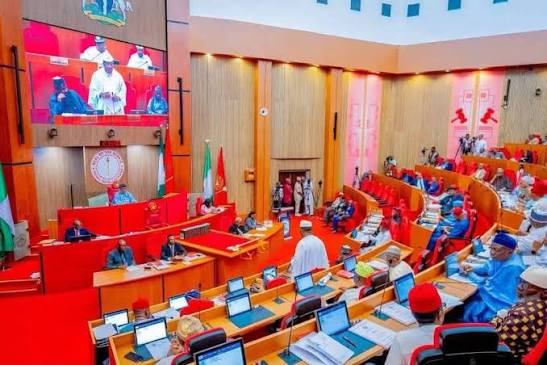
According to SERAP, the conflicting claims raise serious concerns about the integrity of Nigeria’s appropriation process, legislative oversight, public financial management, and accountability.
Signed by SERAP Deputy Director Kolawole Oluwadare, the FoI request argues that Nigerians have a constitutional right to know how public funds are allocated, particularly when they are approved for an entity with no legal recognition.
The organisation stressed that the National Assembly has a duty not only to approve budgets but to thoroughly scrutinise every allocation before authorising public spending.
SERAP warned that if the requested documents are not released within seven days, it will initiate legal action to compel disclosure, maintaining that greater transparency would strengthen public confidence in the legislature and reinforce accountability in the management of public funds.