Secret No More: Long-Awaited Unreleased Film Finally Emerges from the Vault
The hybrid film "Coyote vs. Acme" has miraculously secured a theatrical release on August 28, after being shelved by Warner Bros. Discovery and subsequently rescued by Ketchup Entertainment. Director Dave Green and voice actor Eric Bauza reflect on the movie's "wild journey," its origins from a satirical New Yorker article, and its compelling "underdog story" theme, influenced by "Who Framed Roger Rabbit."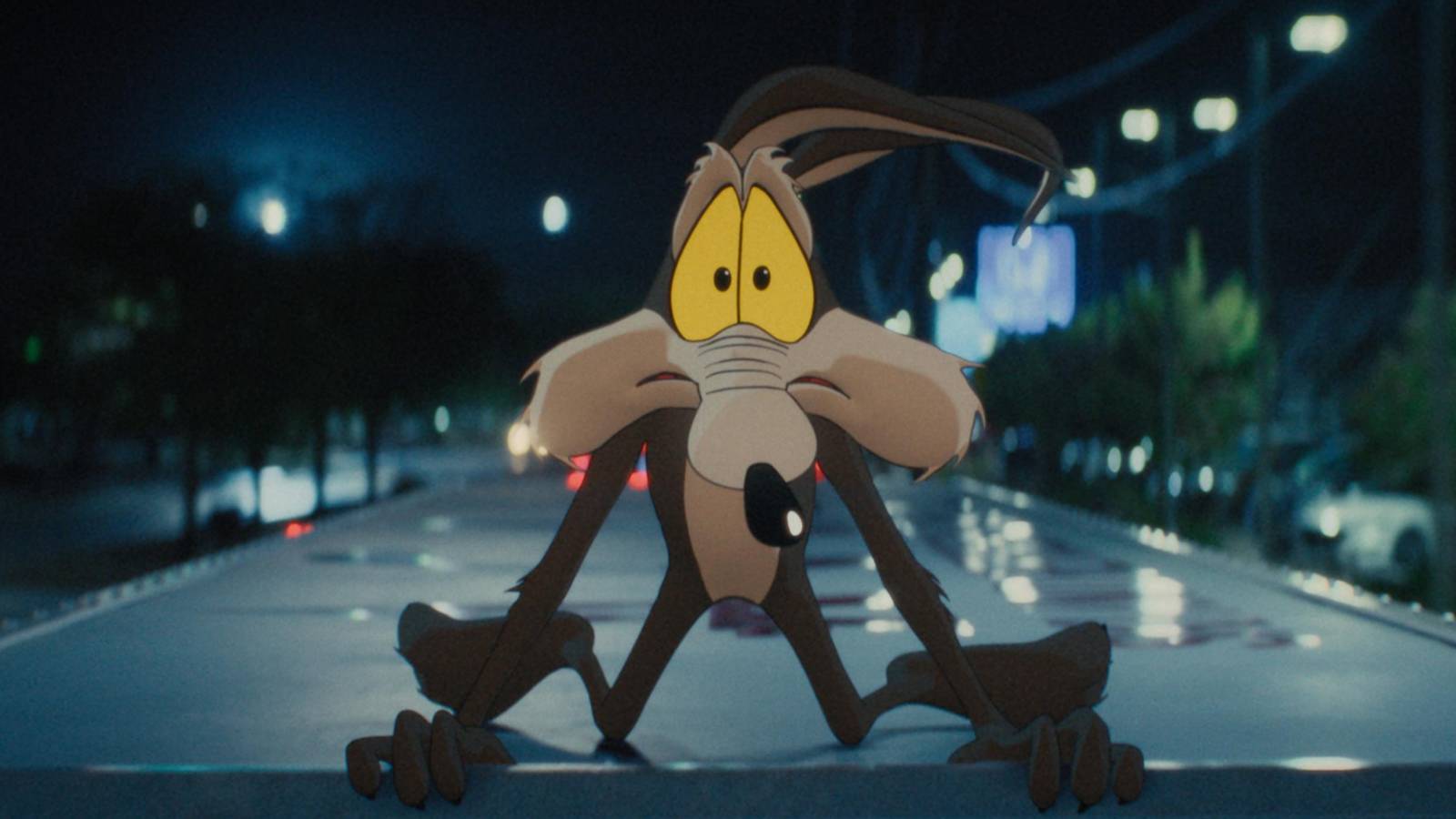
The highly anticipated film "Coyote vs. Acme" has embarked on a "wild journey" to its eventual theatrical release on August 28, a development that director Dave Green still finds miraculous. Originally slated for release three years ago by Warner Bros. Discovery, the finished movie was controversially shelved, leading to a "funeral screening" where cast and crew mourned its perceived loss. However, an unexpected turn of events saw upstart distributor Ketchup Entertainment rescue the animation and live-action hybrid from limbo, breathing new life into what has become a "true underdog story."
The genesis of "Coyote vs. Acme" traces back to a satirical New Yorker article, discovered by James Gunn before his co-chairmanship of DC Studios. This "very dry, wry legalese" piece, detailing Wile E. Coyote's potential lawsuit against ACME Corporation, was adeptly adapted by screenwriter Samy Burch. Her script transformed the legal satire into a poignant narrative about the "fight and the plight of the underdog," focusing on Wile E. Coyote's ceaseless, yet often foiled, pursuit of his dreams, specifically "Road Runner stew." The story sees Wile E. enlist attorney Kevin Avery (Will Forte) to challenge the very source of his misfortunes. The film also features performances from John Cena and Lana Condor, with Eric Bauza lending his voice to a host of iconic Looney Tunes characters, including Bugs Bunny.
James Gunn's involvement was pivotal from the outset, not only in bringing the original concept to the studio but also as a supportive producer. Director Green highlighted showing Gunn the director's cut as a significant milestone, praising his encouragement. Ketchup Entertainment's marketing strategy brilliantly plays into the film's tumultuous past, utilizing the tagline "the film Acme doesn't want you to see." This daring approach, as voice actor Eric Bauza observes, is perfectly in theme with the Looney Tunes brand, which has historically embraced breaking the fourth wall and self-deprecating humor, mirroring the "life imitating art" narrative of the movie's own release struggles.
Eric Bauza, a veteran voice actor, delved into the unique challenges of portraying classic Looney Tunes characters. He noted that Bugs Bunny's voice is difficult due to widespread familiarity and high expectations, while Marvin the Martian strains his vocal cords, leading to a "Marvin's pineapple" sensation in his neck. Daffy Duck, always "at 11" with constant screaming, is typically saved for last in recording sessions. Beyond voice work, the production drew heavily from the 1988 masterpiece "Who Framed Roger Rabbit," which served as a "tonal North Star." Green admired its ability to intertwine "darkness at the same time that you could do absolute stupidity" within a film noir genre, a recipe that deeply influenced "Coyote vs. Acme." Bauza, a passionate collector, even owns multiple animation cells from "Who Framed Roger Rabbit," underscoring its profound impact on his artistic sensibilities.
Central to the film is Wile E. Coyote, a master of silent comedy, whose character draws inspiration from legends like Charlie Chaplin and Buster Keaton. His on-screen presence was meticulously crafted through extensive storyboarding, with artists constantly challenging ideas about his motivations and actions. On set, legendary puppeteer Dave Barclay, known for his work on Jabba the Hutt, guided actors on Wile E.'s movements and expressions. Ultimately, "Coyote vs. Acme" is a profound "true underdog story" about a character relentlessly pursuing his dream despite the formidable opposition of a giant corporation. This theme resonates deeply with modern audiences, especially given the film's own dramatic path to theaters, symbolizing the enduring fight and unwavering passion of the underdog in the face of overwhelming odds.