Sanusi Hails CBN Reforms, Says Nigeria's Economy Is Growing Faster Than Population
Is Nigeria's economy finally turning a corner? Former CBN Governor and Emir of Kano, Muhammadu Sanusi II, says the economy is now growing faster than the population for the first time in years. Here's why he believes the CBN's reforms could mark a major turning point.
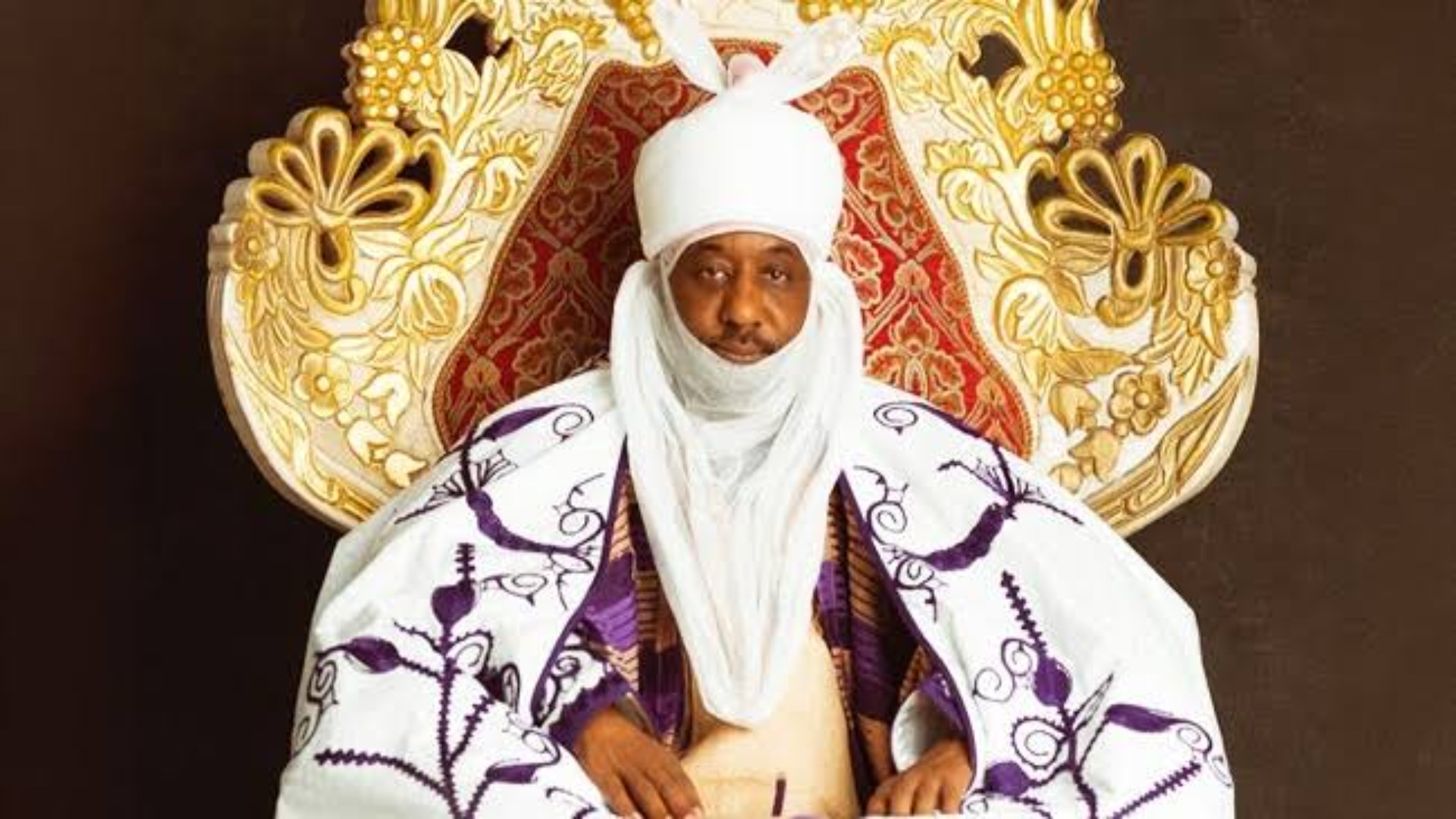
The Emir of Kano, Muhammadu Sanusi II, has praised the Central Bank of Nigeria (CBN) for what he described as significant progress in stabilizing the country's economy, saying Nigeria is now experiencing economic growth that is outpacing population growth for the first time in years.
He spoke at the 31st Nigerian Economic Summit, the former CBN governor credited the apex bank's monetary reforms with restoring macroeconomic stability, reducing excess liquidity, and helping to curb inflation.
His remarks come as the CBN retained the Monetary Policy Rate (MPR) at 26.50% for the second consecutive meeting in its continued effort to tame inflation. And this stood at 15.91percent in June 2026.
Then Sanusi argued that the recent policy direction has helped strengthen confidence in the economy and laid the foundation for more sustainable growth.
He also stressed that maintaining economic stability will require continued policy discipline and complementary reforms to support long-term development and improve the living standards of Nigerians.
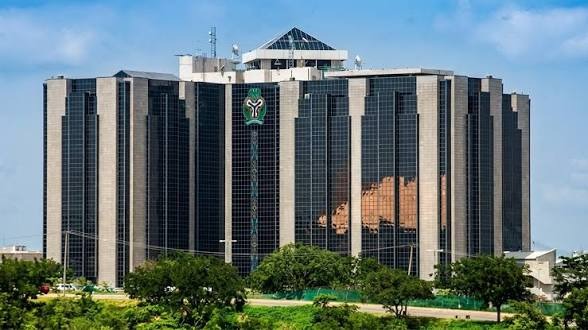
Sanusi Commends CBN's Monetary Reforms
The Emir of Kano, said that the Nigerian economy had emerged from a period of instability caused by excessive money supply and loose monetary policies.
According to him, the CBN has spent the past year tightening monetary conditions and mopping up excess liquidity, measures he believes have restored greater stability to the financial system.
He noted that while inflation remains elevated, it has eased from previous highs, describing the central bank's actions as a necessary step toward rebuilding confidence in the economy.
He added that restoring monetary discipline is essential for creating a more predictable business environment, attracting investment, and supporting sustainable economic growth.
Sanusi maintained that although the reforms may have been difficult in the short term, they are laying the groundwork for a healthier and more resilient economy in the years ahead.
Economy Now Growing Faster Than Population
One of Sanusi's key observations was that Nigeria's economy is now growing faster than its Population, a milestone he described as the first in many years.
He argued that sustained economic growth above population growth is essential for improving living standards and creating more opportunities for Nigerians.
While acknowledging that challenges remain, he maintained that recent macroeconomic reforms have placed the country on a more stable path toward long-term growth.
He noted that if the current momentum is sustained, it could lead to increased investment, higher productivity, and stronger job creation across key sectors of the economy.
However, he emphasized that the benefits of economic growth must be broadly shared to ensure that ordinary Nigerians experience tangible improvements in their quality of life.
Calls for More Fiscal Reforms Beyond Monetary Policy
Despite commending the CBN, Sanusi stressed that monetary policy alone cannot solve Nigeria's economic challenges.

He called for stronger fiscal reforms, including improved government revenue collection, lower governance costs, and more efficient public spending.
According to him, reducing wasteful expenditure and ensuring that government resources are directed toward productive sectors will be crucial to sustaining economic recovery and reducing poverty over the long term.
He also emphasized the need for greater policy coordination between monetary and fiscal authorities to ensure reforms deliver lasting results.
Sanusi argued that a combination of sound economic management, prudent public spending, and investment in productive sectors would be essential to achieving inclusive growth and strengthening Nigeria's long-term economic resilience.
Conclusion
Sanusi's remarks add weight to the ongoing debate over Nigeria's economic reforms and the role of monetary policy in restoring stability.
While he praised the CBN for addressing inflationary pressures and excess liquidity, he emphasized that lasting economic progress will require complementary fiscal reforms.
As policymakers continue efforts to strengthen the economy, attention will remain focused on whether these reforms translate into improved living standards, job creation, and sustainable growth for Nigerians.
In my view, the success of these reforms will ultimately be measured not only by economic indicators such as GDP growth or lower inflation but also by their impact on the everyday lives of Nigerians.
If businesses can expand, more jobs are created, and households experience improved purchasing power and living standards, the reforms will have achieved their intended purpose.
Until then, consistent implementation and sustained policy coordination will remain critical to ensuring that economic progress is both inclusive and long-lasting.