Ruto Unleashes Fury: President Vows to Jail Corrupt MPs Amid Bribery Allegations
President William Ruto has intensified his anti-corruption drive, warning that both givers and receivers of legislative bribes will face arrest, terming parliamentary extortion 'Soko Huru.' He urged bipartisan support for key development agendas, including housing, agriculture, and infrastructure, aiming for national unity and progress. This firm stance aims to restore Parliament's credibility and drive economic reforms.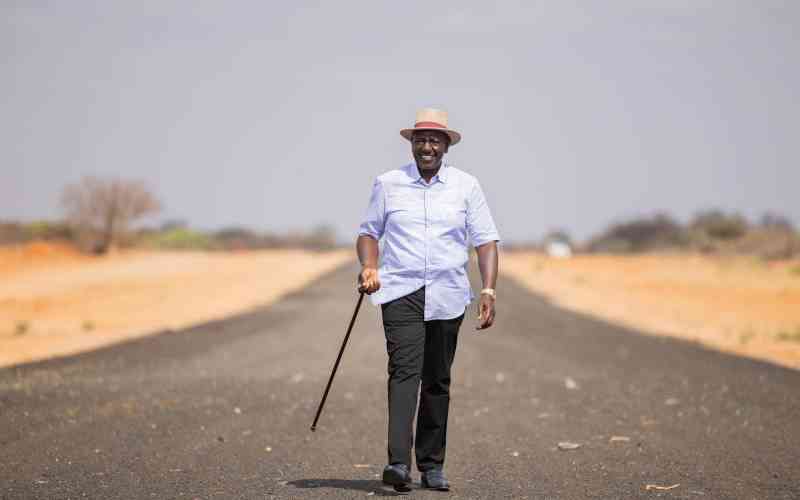
President William Ruto has significantly escalated his anti-corruption campaign, particularly targeting legislative misconduct and the pervasive culture of extortion within parliamentary committees, which he termed 'Soko Huru' (free market). Speaking candidly at a Kenya Kwanza-ODM joint parliamentary group meeting in Karen on August 18, 2025, President Ruto declared an end to this practice, vowing that those implicated in bribery – both givers and receivers – would face arrest, not just public shaming. He asserted that such corruption was crippling national progress and eroding Parliament's credibility, directly questioning the roles of certain committee positions, such as 'chairman of welfare,' which he linked to illicit activities.
To underscore his claims, President Ruto cited alarming intelligence. He questioned how an official facing Senate oversight could allegedly raise Sh150 million to influence a decision, emphasizing that these funds rightfully belong to the public. He also directly challenged Members of Parliament, alleging that a few members of a committee had collected Sh10 million to pass the Anti-Money Laundering Bill. These comments echoed similar warnings he issued just days earlier on August 13 at the Devolution Conference in Homa Bay, where he highlighted lawmakers demanding bribes from Executive members to influence decisions.
Beyond the stern warnings against corruption, President Ruto's address at the joint parliamentary group meeting was a passionate appeal for national unity and bipartisan support for the government's development agenda. He lauded opposition leader Raila Odinga for his courage in fostering national unity, acknowledging the criticism Odinga has faced and framing their collaboration as crucial for the nation's destiny. President Ruto highlighted the significant alignment, nearly 70%, between the Kenya Kwanza and Azimio manifestos, urging legislators to set aside political differences to implement universally agreed-upon solutions.
Central to this vision is the aggressive implementation of key reforms in various sectors. The affordable housing program, presented as a bipartisan project rooted in both coalitions' manifestos, was emphasized for its potential to create jobs and transform urban landscapes. President Ruto argued that earlier implementation of such projects could have significantly advanced Kenya's development. In agriculture, he made a bold promise regarding the long-troubled sugar sector, declaring that Kenya would become a net exporter of sugar within two to three years, attributing this potential success to unified political will.
Addressing national debt concerns, President Ruto detailed a major policy shift towards funding large infrastructure projects through Public-Private Partnerships (PPPs) instead of debt. He announced that mega-projects, including the road all the way to Mau Summit and the planned standard gauge railway extension from Naivasha to Malaba, would be constructed using the PPP model, learning from the massive debt incurred during the railway's initial phase. He also highlighted the government's annual expenditure of Sh650 billion on education, urging MPs to utilize their NG-CDF resources to establish ICT hubs in every constituency, thereby creating digital job opportunities for young people.
These efforts coincide with President Ruto's active engagement across the country, including his inspection of the 257 km Lamu-Ijara-Garissa road (LAPSSET corridor) on February 7, 2025, and repeated visits to Homa Bay. The President's direct confrontation of parliamentary corruption also brings into question the leadership of Speakers Moses Wetang’ula and Amason Kingi, who have faced accusations of bias amidst complaints about lethargic parliamentary leadership.