Royal Air Maroc Soars with 23% Summer Capacity Surge Across 86 Routes, Adding 8.2 Million Seats
Royal Air Maroc is set for a substantial summer 2026 expansion, offering 8.2 million seats with a 23% capacity increase. This strategic growth targets Moroccan diaspora, international tourists, and business travelers, strengthening Casablanca's role as a transcontinental hub and supporting Morocco's national development and upcoming global events.
North Africa's aviation sector is poised for a significant surge, spearheaded by Royal Air Maroc's ambitious summer 2026 schedule expansion.
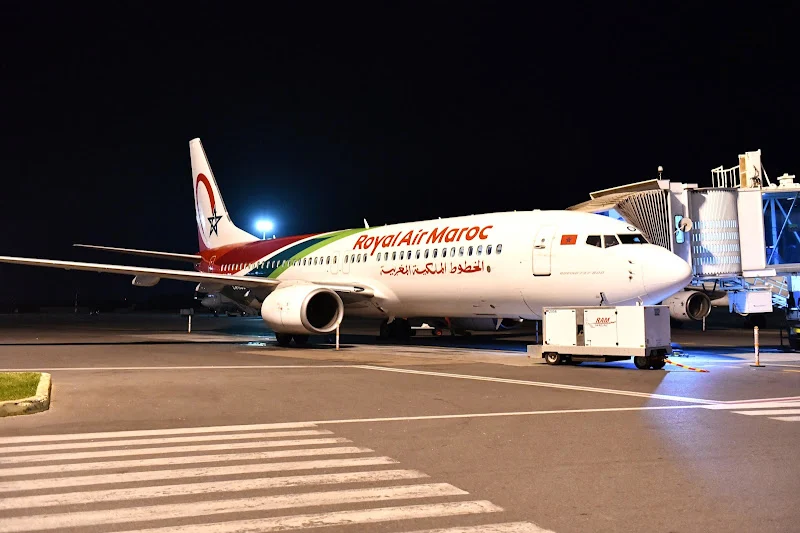
The Casablanca-based national carrier has confirmed plans to offer close to 8.2 million seats across its global network, marking a substantial 23 percent increase in overall capacity compared to summer 2025.
This aggressive expansion positions Royal Air Maroc among the fastest-growing legacy airlines on the African continent, demonstrating its commitment to enhancing connectivity and service.
The enlarged program is strategically designed to cater to three primary traveler segments.
Firstly, it aims to meet the soaring demand from the Moroccan diaspora, who traditionally return home for summer holidays, particularly from countries like France, Belgium, the Netherlands, Spain, Italy, Germany, Canada, and North America.
This is adding to the capacity within the key markets, because the airline seeks to maintain fare stability and strengthen its ties with Moroccan communities abroad, while providing much-needed relief to tour operators from previous seasons' tight availability.
Secondly, the expansion targets international tourists drawn to Morocco's rich cultural heritage and stunning coastal attractions, making popular cities like Marrakech, Fez, Tangier, Rabat, and Agadir, as well as emerging destinations such as Essaouira and Ouarzazate, more accessible.
Thirdly, the airline is bolstering services for business travelers, leveraging Morocco's burgeoning role as a vital investment gateway between Africa, Europe, and the Middle East.
The kingdom has become a preferred hub for sectors including automotive manufacturing, aeronautics, renewable energy, and financial services, attracting executives globally.
With the increased frequencies and new destinations will facilitate easier travel for African entrepreneurs and corporate teams attending meetings, trade fairs, and forging industrial partnerships across the country.
This substantial network growth is intricately linked to Morocco's broader national aspirations and significant upcoming international events.
The country is set to co-host the 2030 FIFA World Cup alongside Spain and Portugal, preceded by the 2025 Africa Cup of Nations.
These events have prompted considerable investment in aviation infrastructure and network reach by both the government and Royal Air Maroc.
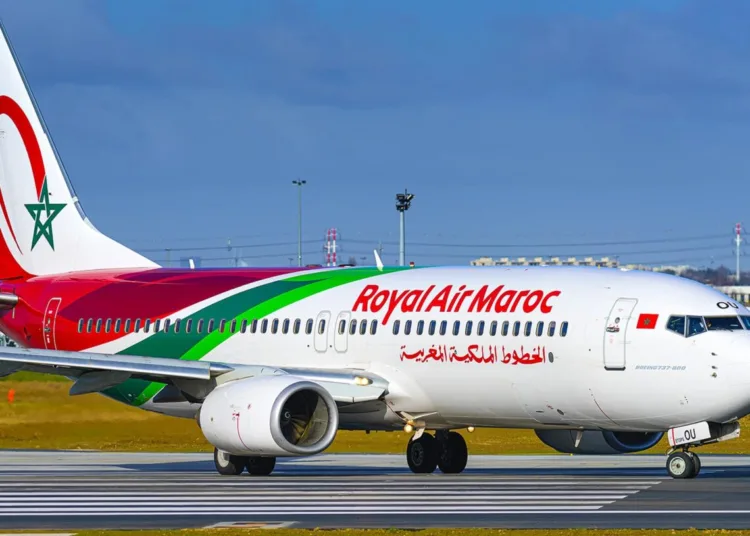
The airline has publicly committed to expanding its fleet to over 200 aircraft by the end of the decade, and the summer 2026 boost serves as a clear early indicator of this long-term strategic promise.
Furthermore, Royal Air Maroc's expanding schedule is actively positioning Casablanca's Mohammed V International Airport as an increasingly credible transcontinental hub.
This offers a more geographically efficient alternative for traffic flowing between West Africa, Central Africa, and Europe or the Americas, which traditionally faced congested transit options through the Gulf and Western Europe.
For travelers originating from sub-Saharan gateways such as Dakar, Abidjan, Accra, Lagos, and Douala, Casablanca provides benefits like shorter transit times, cultural familiarity, and competitive pricing, making it an attractive routing option for both corporate and leisure itineraries.
Morocco's tourism recovery continues to break records, with over 17.4 million international visitors welcomed in 2024, and 2025 figures projected to surpass these numbers.
Enhanced airlift ensures that these vibrant destinations become more accessible, particularly for African outbound markets that have historically been underserved by direct connections.

For the wider African travel trade, a stronger, larger, and more ambitious Royal Air Maroc signifies fresh opportunities to craft multi-destination itineraries, tap into diaspora flows, and capitalize on a growing hub that is increasingly rivaling long-established transit points.