Robots Caring for The Elderly: Japan’s Aging Population Gets AI Helpers
Japan’s aging population is driving innovation in AI and robotics. From humanoid nurses like AIREC to companion robots easing loneliness, discover how Japan is redefining elderly care and what the world can learn from it.
Introduction
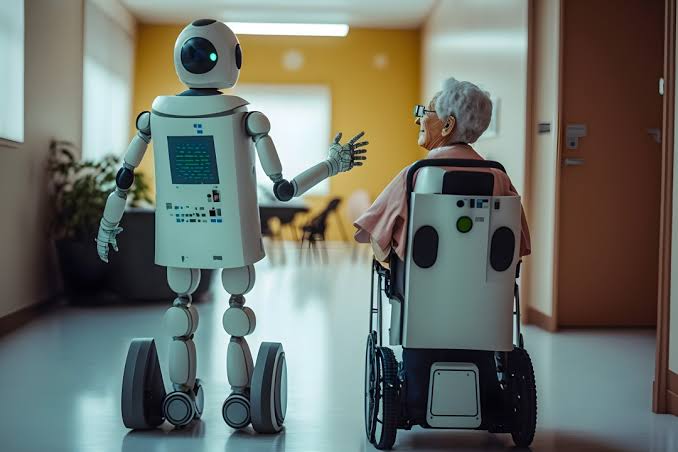
Japan, a country long celebrated for its innovation, is now turning to technology to solve one of its most human challenges, caring for its rapidly aging population. With the number of elderly citizens rising faster than the available caregivers, Japan is redefining eldercare through artificial intelligence and robotics.
Japan’s demographic shift is one of the most dramatic in the world. More than 29% of its population is now over the age of 65, a figure that continues to climb each year. This growing senior demographic has put enormous pressure on the healthcare and caregiving sectors, creating a severe labor shortage. According to recent data it is been reported that across the USA and other parts of the world there is a shortage of nursing personnel and caregivers, this number is expected to increase by 2030 if proper innovation are not kept in place.
This shortage isn’t just a staffing crisis; it’s a societal one. Japan’s traditional family-based caregiving model has weakened as more young people migrate to cities or focus on demanding careers, leaving elderly parents behind. The result? A nation searching for a sustainable way to care for millions of seniors — and technology may just be the answer.
Meet AIREC: The Gentle Robot Nurse
In a groundbreaking development, Japanese researchers have introduced AIREC, a 150-kg humanoid robot designed to assist in elderly care. Unlike the cold, metallic machines of science fiction, AIREC’s focus is empathy and safety. The robot can gently roll bedridden patients to prevent bedsores, a task typically performed by nurses. This function, though simple, is critical in long-term care facilities, where physical strain and repetitive movements often lead to caregiver fatigue and injuries.
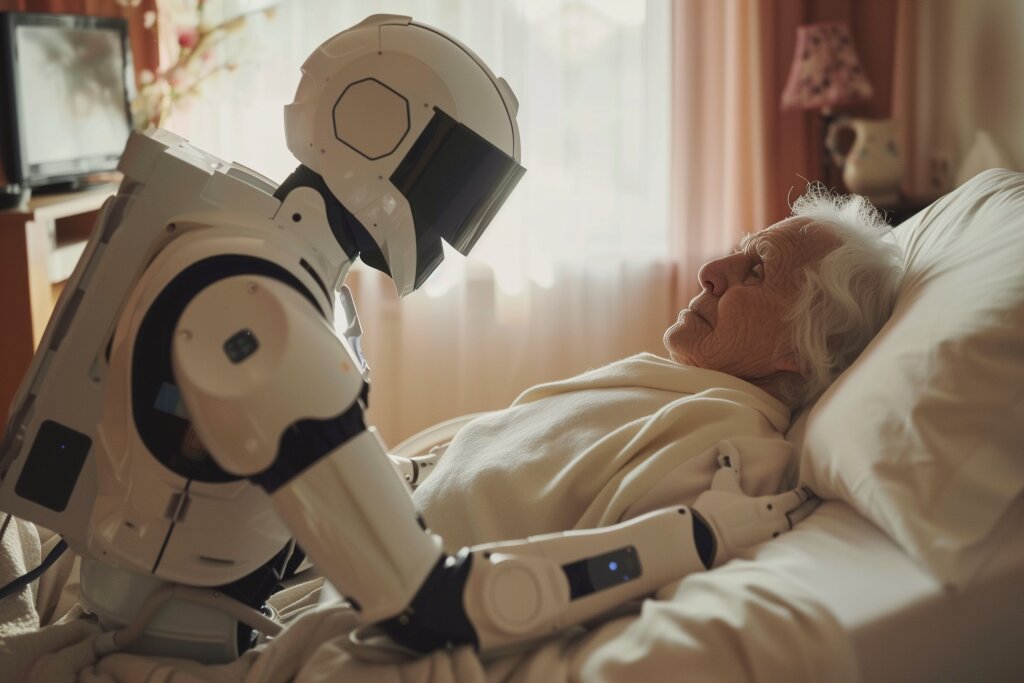
Developers describe AIREC as a “co-worker,” not a replacement for human nurses. Equipped with AI-driven sensors, pressure mapping, and adaptive touch sensitivity, it learns from its environment and adjusts its strength based on each patient’s body type and condition. The goal is not to eliminate the human touch in care but to enhance it, freeing nurses to focus on emotional and interpersonal care.
The Rise of AI Companionship
Beyond physical care, Japan is also exploring AI companionship to address another silent epidemic among its elderly: loneliness. Social isolation has become one of the biggest threats to senior mental health. In response, companies have developed AI-powered companion robots like Paro, a baby-seal-shaped therapeutic robot that responds to touch and speech, and Pepper, a humanoid robot capable of holding simple conversations and recognizing emotions.
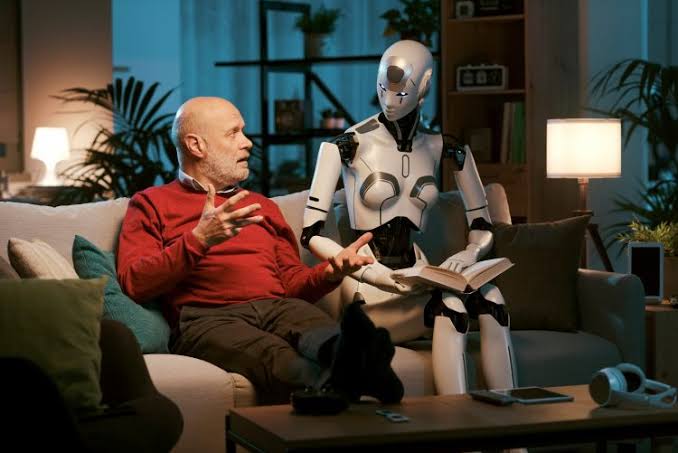
These robots don’t just provide company, studies in Japan have shown they can reduce anxiety, depression, and even blood pressure in older adults. For seniors who live alone or in rural areas, an AI companion can mean the difference between emotional stability and isolation.
Balancing Humanity and Technology
Critics argue that relying on robots for care risks dehumanizing the elderly, reducing interpersonal connection to mechanical transactions. Others warn that emotional bonds with machines may create false comfort, blurring the line between authentic companionship and programmed empathy.
However, Japan’s approach reflects a cultural pragmatism: technology is not replacing human relationships but compensating for their absence. “Robots isn't meant to replace love. They replace loneliness when love is not available.”
This delicate balance, between human touch and technological efficiency, may define the future of eldercare not just in Japan, but globally.
A Global Model for Aging Societies

Japan’s innovations in robotic care are being closely watched worldwide. Countries such as South Korea, Italy, and Germany, all facing aging populations are testing similar technologies to support their own elderly citizens.
For developing regions, particularly in Africa, Japan’s model offers a valuable case study. While the continent’s population is still largely young, the growth of life expectancy and migration of youth to cities could create future gaps in eldercare. Early investment in assistive robotics and healthcare technology could help African nations prepare for their own demographic shifts before they reach crisis levels.
Economic and Ethical Implications
The integration of robotics into healthcare also has economic implications. Japan’s robotics industry is projected to become almost $4 billion market by 2030, creating new opportunities for tech companies, engineers, and caregivers trained to work alongside AI systems.
Yet, this innovation also raises ethical questions:
Should robots handle intimate care tasks?
How do we ensure data privacy for vulnerable seniors?
And most importantly, can empathy ever be fully replicated by a machine?
Policymakers in Japan are now working to establish guidelines for ethical AI caregiving, balancing efficiency with dignity and emotional wellbeing.
What the Future Holds
If AIREC and similar technologies succeed, the future of caregiving may look radically different. Imagine care homes staffed by both humans and robots working in harmony, machines handling the physical strain, while humans provide emotional and psychological support.
This collaboration could not only improve patient outcomes but also restore dignity to caregiving professions by reducing burnout and making the field more appealing to younger workers.
Ultimately, the fusion of AI empathy and human compassion might redefine how societies treat their elders, turning what was once a looming crisis into an opportunity for innovation and care.