Revolutionizing Health: Ghana Rolls Out Ambitious Free Primary Healthcare Amidst Deepening Reforms
The 2026 CHAG Annual Conference emphasized the Christian Health Association of Ghana's crucial role in implementing Ghana's Free Primary Healthcare programme. Stakeholders from WHO, GHS, NHIA, and the Ministry of Finance detailed strategies for success, focusing on community systems, workforce investment, digital innovation, and sustainable financing to achieve Universal Health Coverage.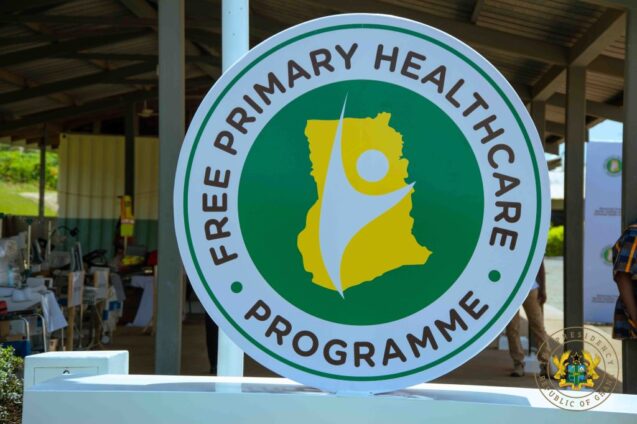
The 2026 Annual Conference of the Christian Health Association of Ghana (CHAG), held in Koforidua, served as a pivotal platform for key stakeholders to underscore the critical importance of the government’s flagship Free Primary Healthcare (FPHC) programme. Across various presentations, CHAG was consistently lauded as an indispensable partner for the successful implementation of this ambitious health reform, aimed at accelerating Ghana’s progress towards Universal Health Coverage (UHC).
Dr. Fiona Braka, the World Health Organisation (WHO) Representative to Ghana, highlighted CHAG's extensive rural presence, decades of community service, and trusted relationships with millions of Ghanaians as foundational to the FPHC programme's success. She emphasized that while the programme removes financial and geographical barriers, its meaningful impact relies on institutions like CHAG, which are deeply embedded within communities. Dr. Braka reiterated that strengthening primary healthcare is the most effective pathway to UHC globally, improving health outcomes, promoting equity, reducing avoidable hospital admissions, and enhancing health system resilience. She reaffirmed WHO's commitment to supporting CHAG in its mission to strengthen community-based healthcare delivery and ensure quality healthcare reaches the most vulnerable.
Further elaborating on implementation strategies, Dr. Caroline Reindorf Amissah, Deputy Director-General of the Ghana Health Service (GHS), outlined four priority areas crucial for the programme's success. Firstly, she stressed strengthening community-based health systems by building on the proven success of the Community-based Health Planning and Services (CHPS) strategy, advocating for stronger collaboration between CHAG facilities, CHPS compounds, and district health systems. The second priority is investing significantly in Ghana's health workforce through training, professional development, motivation, and retention, particularly in rural and underserved communities. Dr. Amissah commended CHAG for its exceptional ability to retain committed health professionals in remote areas, attributing it to their understanding of the profound impact of their work. Thirdly, the GHS advocated for the adoption of digital innovation and data-driven decision-making, including telemedicine, to improve healthcare planning, disease surveillance, and patient outcomes. Finally, sustainable financing was identified as the fourth critical area, urging improved efficiency, waste reduction, and strengthened partnerships to ensure the long-term viability of the FPHC programme.
From a financing perspective, Dr. Victor Asare Bampoe, Chief Executive Officer of the National Health Insurance Authority (NHIA), described the FPHC programme as the most significant reform to Ghana's health financing system since the introduction of the National Health Insurance Scheme (NHIS). He explained that while NHIS reduced financial barriers, FPHC moves the health system "upstream" by prioritizing prevention, early diagnosis, and basic healthcare at the community level, thereby reducing pressure on secondary and tertiary facilities. Dr. Bampoe underscored CHAG's indispensable role, noting its long-standing involvement in the programme's development and its extensive network of 375 health facilities across all 16 regions, which provides 30-40 percent of nationwide healthcare services, often in areas where government facilities are limited. The NHIA CEO affirmed ongoing collaboration to ensure supportive financing arrangements and successful rollout.
The Ministry of Finance also affirmed its commitment to the FPHC programme and the financial sustainability of the health sector. Dr. Theo Acheampong, Technical Advisor at the Ministry, speaking on behalf of Finance Minister Dr. Cassiel Ato Forson, highlighted the GH¢10.7 billion allocation to the NHIS in 2025, including GH¢6.5 billion for provider claims, as part of reforms to strengthen the scheme's financial resilience. He noted that the uncapping of the National Health Insurance Fund provided additional fiscal space. Dr. Acheampong emphasized the government's objective to ensure health facilities spend more time on patient care and less on pursuing outstanding claims. He assured that CHAG facilities would receive their fair share of equipment and infrastructure investments, recognizing CHAG as a strategic partner. The Ministry stressed the need for strengthening domestic health financing, improving efficiency, and promoting innovative financing mechanisms given the changing global landscape.
In essence, the 2026 CHAG Annual Conference reinforced a collective vision for a robust, equitable, and people-centred health system in Ghana. The discussions highlighted the consensus among government bodies and international partners regarding CHAG's unparalleled capacity to deliver quality primary healthcare, particularly to vulnerable and underserved populations. Through continued collaboration, strategic investments, and a focus on community-level engagement, Ghana aims to achieve lasting improvements in healthcare access and outcomes for all its citizens, fulfilling the promise of Universal Health Coverage.