Deadly Floods Engulf Accra, Sparking Urgent Rescue Missions and Political Outcry
At least nine people died after catastrophic flooding swept through Ghana's Greater Accra Region, exposing drainage failures, urban planning challenges and climate risks.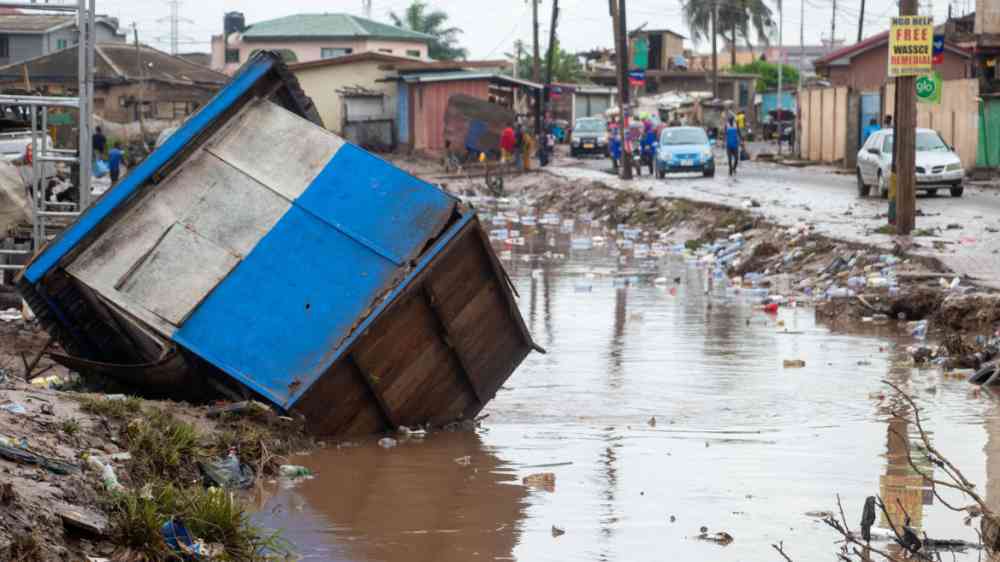
The Greater Accra Region of Ghana experienced one of its most devastating flood events on Monday, June 29, 2026, following hours of relentless torrential rainfall. This widespread flooding brought daily life to a standstill, claiming at least nine lives, displacing hundreds and causing extensive destruction to homes, businesses and critical public infrastructure across the capital and surrounding areas.
The disaster unfolded as unprecedented rainfall overwhelmed Accra’s drainage systems, exposing severe structural vulnerabilities compounded by human activities.
Meteorological data indicated that about 140 millimetres of rainfall was recorded in a single day, far exceeding previous records, a trend attributed to the intensifying effects of climate change.
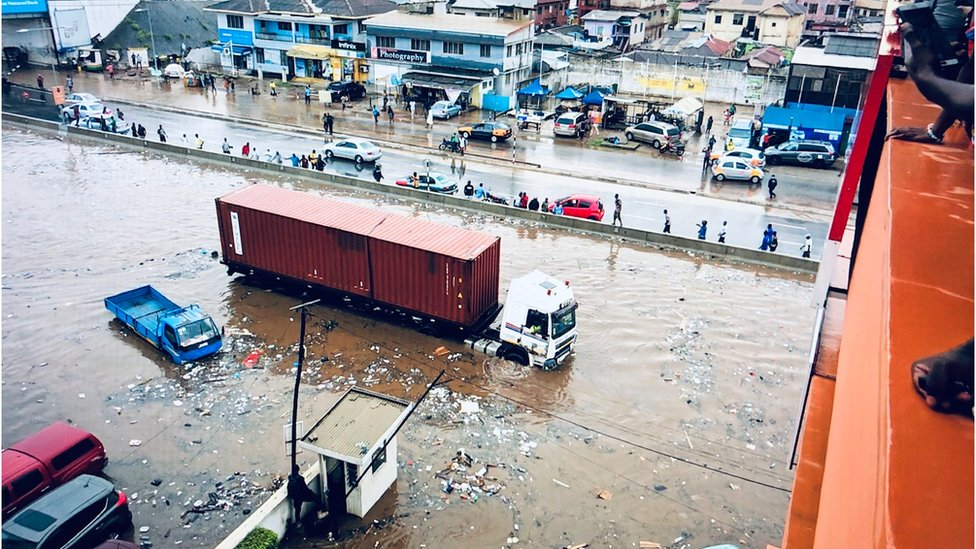
Beyond the heavy downpour, experts and political figures alike pointed to rapid urban expansion, unplanned development, widespread encroachment on wetlands and natural waterways, and indiscriminate waste disposal as primary drivers of the crisis.
The Convention People’s Party (CPP) described the situation as a “self-inflicted disaster” due to ignored encroachment and poor waste management, while President John Dramani Mahama highlighted that human behavior, such as dumping refuse into drains, significantly undermines government investments in infrastructure.
The human toll was immediate and tragic. The Ghana National Fire Service confirmed nine flood-related fatalities, with initial reports detailing deaths from electrocution in communities like Alajo, including a 25-year-old identified as Michael Ofori Tachie, and a man in his 60s found along the railway line.
Three bodies, a woman and two children, were also recovered from floodwaters at Dome. In Alajo, multiple victims reportedly died after floodwaters inundated their homes and came into contact with electrical installations.
Furthermore, members of a church in Alajo found themselves trapped as water levels reached neck-high, necessitating urgent rescue efforts from the Ghana National Fire Service. The flooding also led to scenes of residents in Adabraka desperately swimming through floodwaters to rescue their animals, including horses and goats, underscoring the severe personal impact on livelihoods.
The economic and social fabric of the capital was severely disrupted. Major roads, including sections of the N1 Highway, Caprice–Alajo–Avenor–Kwame Nkrumah Circle stretch, Tema Motorway, and Accra-Kasoa stretch, became impassable, stranding motorists and bringing commercial activities to a halt.
The Kwame Nkrumah Interchange transport terminal and several major roads remained flooded for hours, leaving commuters stranded and bringing business activities to a halt.
Emergency responders, including the Ghana National Fire Service and the National Disaster Management Organisation (NADMO), carried out rescue operations in the worst-hit communities, evacuating trapped residents and urging the public to avoid flooded areas and switch off electricity in waterlogged buildings.
The disaster has reignited debate over Accra's recurring flood crisis. While the record rainfall was a major factor, experts and government officials blamed years of poor urban planning, illegal construction on waterways, blocked drains and indiscriminate waste disposal for worsening the impact.
President John Dramani Mahama called for greater public responsibility, stressing that government investments in drainage infrastructure would achieve little if residents continued dumping refuse into drains.
As floodwaters receded, attention shifted to recovery efforts, with many affected families now facing significant losses and renewed concerns over future flooding as the rainy season continues.