Remember When Money Meant Cowries and Pounds? A Look Back at Nigeria’s Currency History
How did Nigeria move from cowrie shells and manillas to British currency and eventually the naira in 1973, and what drove these changes?
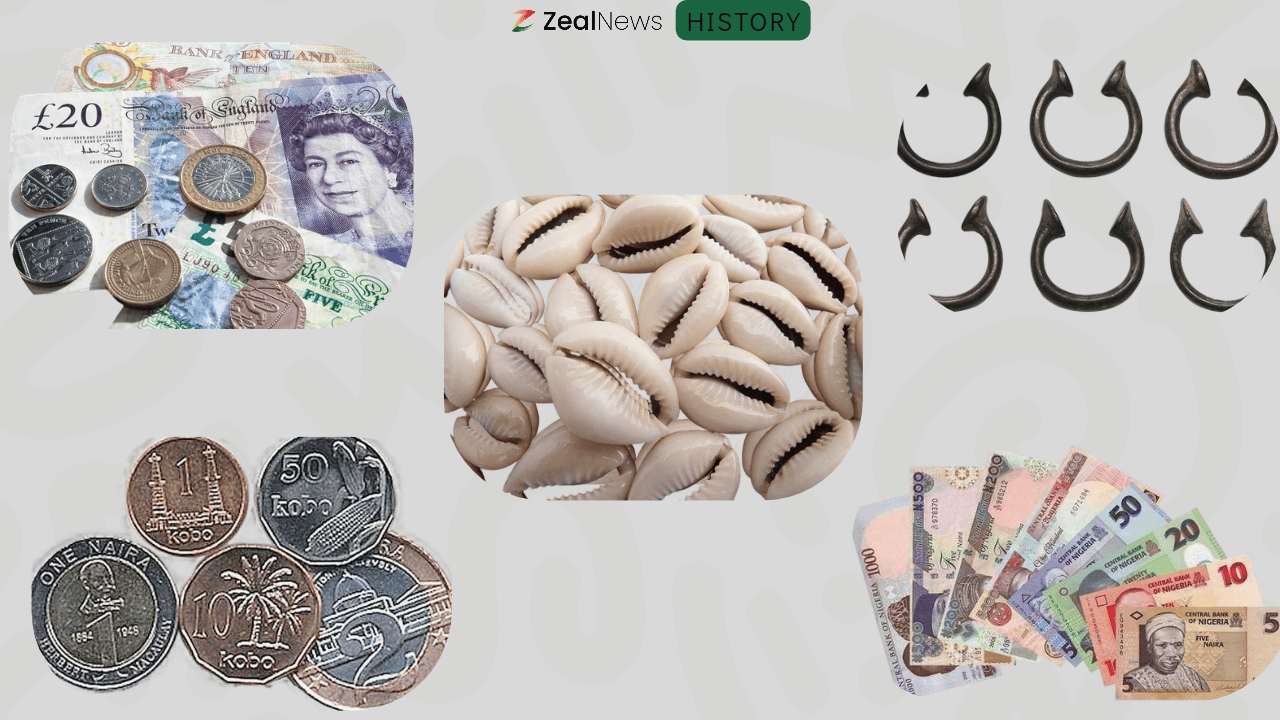
\Today, you can pay for a bag of rice with naira notes or transfer money to a seller with your phone. But go back far enough in history, and people in the area we now call Nigeria used cowrie shells and other items as money.
Over time, the forms of money used in trade changed, from shells and metal objects to coins, paper notes and, eventually, electronic transfers.
The naira has its own history, too, but it was not the first form of money used in this part of the world.
So, what did people use before the naira came along?
Before Coins and Notes, We Had Cowries
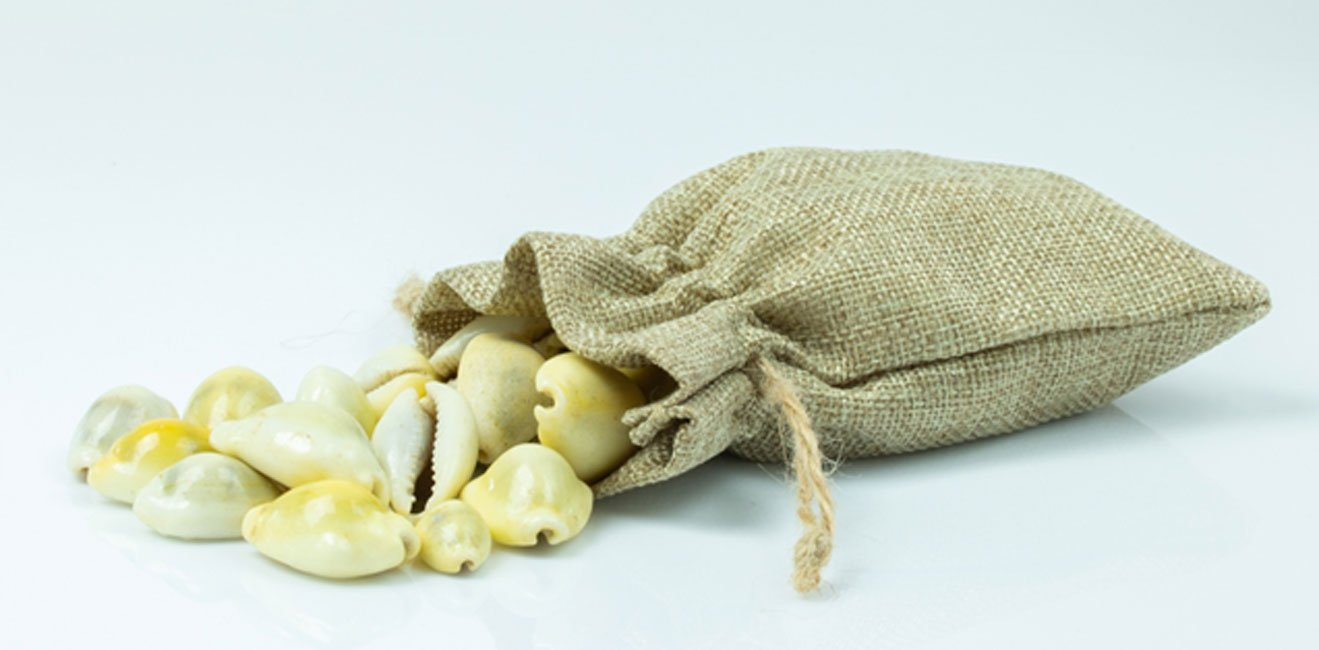
Long before modern currency became widespread, cowrie shells served as money in different parts of what is now Nigeria. Small enough to carry and easy to count in large quantities, they were used to pay for goods and settle transactions.
People even developed ways to count them in bulk.Historical records from the Central Bank of Nigeria (CBN) show that, in 1860, 40 cowries made a string, 50 strings made a head, and 10 heads made a bag. One bag therefore contained 20,000 cowries.
Those shells had measurable value. In Lagos in 1865, a bag of 20,000 cowries could be exchanged for one or two English pounds. Imagine counting thousands of shells to establish the value of a transaction.
Cowries were not the only means of exchange. Communities also traded goods directly through barter, while commodities such assalt played a role in some trading systems. Practices varied across communities, so there was no single system of exchange throughout the region.
Cowries travelled through long-distance trading networks before reaching West African markets. Other objects also acquired monetary value, including metal pieces shaped like open bracelets. These were known as manillas.
The Strange-Looking Money Called Manillas
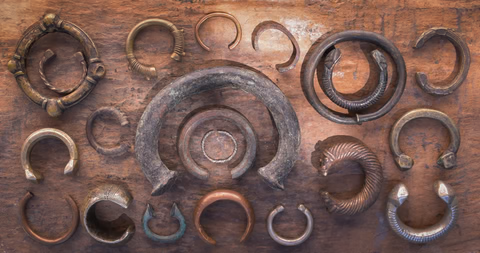
Made from metal and shaped like open rings or bracelets, manillas were used as money in parts of what is now southern Nigeria. They might look like ornaments today, but their value came from their acceptance in trade.
Manillas were associated withwider trading networks along the West African coast. Their use also reminds us that money did not change in the same way or at the same time in every community. Different forms of exchange could exist alongside one another.
The arrival of British colonial currency did not mean that every community immediately stopped using the forms of money it already knew. However, British authorities gradually established an official monetary system based on coins and banknotes.
History
Rewind the Stories that Made Africa, Africa
A Journey Through Time, Narrated with Insight.
This brought a different way of organising money into wider use: the pounds, shillings and pence system.
When Shillings, Pence and Pounds Came Into the Picture
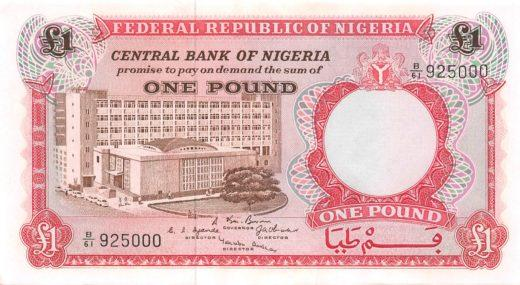
The introduction of British currency was a major change in the area's monetary history. According to the CBN,a colonial ordinance in 1880 introduced shillings and pence as legal tender in British West Africa. Coins circulated under this system before the West African Currency Board began issuing banknotes and coins for Nigeria and other British West African territories in 1912.
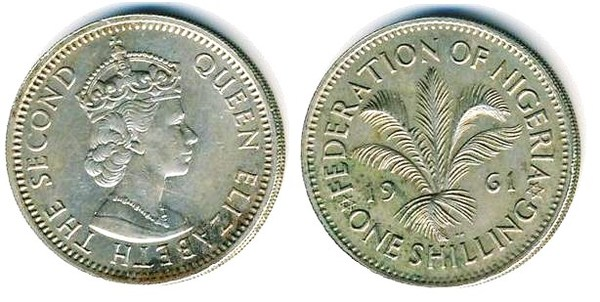

Coins were not introduced after banknotes. The two forms of money were used together. Under the pounds, shillings and pence system, people used coins for smaller denominations and banknotes for larger amounts.
The West African Currency Board managed the currency issued between 1912 and 1959. On 1 July 1959, the CBN began issuing Nigerian banknotes, replacing the Board's currency. The new notes were denominated in pounds and shillings, while coins continued to be used.
Nigeria therefore had its own currency before it had the naira. The notes were redesigned in 1962 to reflect the country's republican status, following independence in 1960 and the establishment of the republic in 1963. Further changes came in 1968 during the Civil War.
Although Nigeria was now issuing its own money, the pounds, shillings and pence system remained in place. The next major change would affect the currency's units themselves.
From the First Naira Notes to Transfers on Our Phones
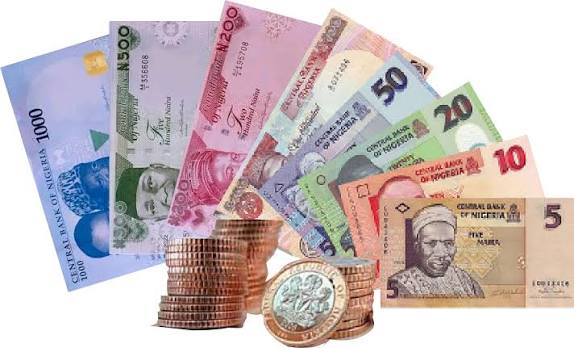
On 1 January 1973, Nigeria replaced the pound-based system with the naira and kobo, adopting a decimal currency system. The change followed recommendations from aDecimal Currency Committee established in 1962, which submitted its report in 1964. One naira was worth ten shillings, and 100 kobo made one naira, making calculations simpler.
Banknotes and coins were introduced together. The first naira banknotes came in denominations of 50 kobo, ₦1, ₦5 and ₦10, while coins ranged from half a kobo to 20 kobo.
The denominations changed over the years. Nigeria introduced the ₦20 note in 1977, replaced the 50-kobo and ₦1 notes with coins in 1991, and added the ₦100, ₦200, ₦500 and ₦1,000 notes between 1999 and 2005. In 2007, the Central Bank of Nigeria redesigned the ₦1 and 50-kobo coins and introduced a ₦2 coin.
Banknotes also changed in appearance and material. In1984, the colours of most notes in circulation were changed in an effort to curb currency trafficking. Some lower-denomination notes later moved from paper to polymer, a plastic-like material.
In November 2022, the CBN redesigned the ₦200, ₦500 and ₦1,000 notes, citing concerns including currency hoarding, shortages of clean notes and counterfeiting.
Coins and banknotes remained part of cash transactions, but small kobo coins gradually fell out of everyday use. The kobo itself, however, remains a unit of the naira.
History
Rewind the Stories that Made Africa, Africa
A Journey Through Time, Narrated with Insight.
Payment methods changed as well. ATMs, debit cards, POS terminals and electronic bank transfers gave Nigerians ways to pay without carrying or handing over cash.
The journey from cowries to naira notes, coins and electronic payments reflects changes in how Nigerians exchange value. The forms and methods have evolved, while money continues to serve the same basic purpose.