Recycling Goes High-Tech: The Machines Turning Bottles Into Cash in Africa.
Africa's waste economy is getting a radical remake from a new class of green-tech startups. These ventures are cleaning up cities,creating jobs, shifting consumer habits, and proving that caring for the environment can be good business, too.
From Luanda to Cape Town, trash has become a new form of currency in Africa. In Lagos, empty plastic bottles now have value. In Accra, recyclable waste powers digital wallets. From Nairobi to Johannesburg, a quiet revolution is happening where necessity meets sustainability and technology.
Long a blind spot in infrastructure and urbanization talks, Africa's waste economy is getting a radical remake from a new class of green-tech startups. These ventures are cleaning up cities,creating jobs, shifting consumer habits, and proving that caring for the environment can be good business, too.
Platforms like Ecobarter in Nigeria, Recyclan in Kenya, Wecyclers, and Ghana's Sesa Recycling illustrate what happens when technology seriously tackles waste.
Each startup is using data-driven collection, automated reverse vending machines, and reward systems that pay users in cash, credits, or digital tokens.
The Scale of the Problem and the Birth of the Machine
Nigeria alone generates an estimated 32 million tonnes of solid waste annually. Lagos, one of the fastest-growing cities in Africa, generates over 13,000 tonnes daily, with plastic making up about 17% of that huge pile.
Most of this waste ends up blocking the drains, polluting lagoons, or being burned at open areas. The loss is enormous, environmentally and economically. A 2023 UNEP report estimated that Nigeria loses over $50 million annually in recyclable materials that are simply thrown away.
For years, the recycling system in Nigeria relied on informal collectors: people pushing carts down streets and exchanging bottles for bits of money. The process was unstructured and lacked recognized value. Now, a new class of startups and established firms is redesigning this system using technology, financial incentives, and solid data.
Ecobarter and the Automated Vending Kiosks
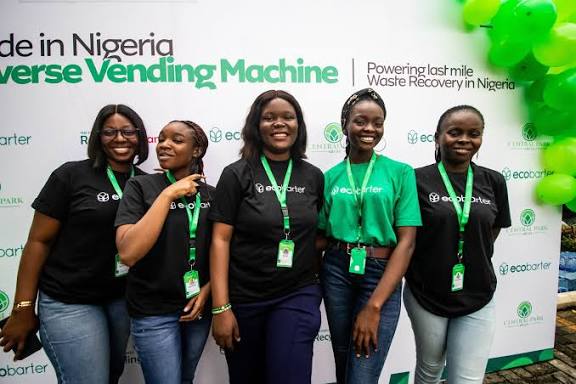
In January of this year, Abuja-based sustainability startup Ecobarter placed RVMs in strategic spots within Lagos. Much like systems that operate in countries such as Germany, these allow users to deposit plastic bottles and aluminum cans in exchange for instant digital rewards via the Ecobarter app.
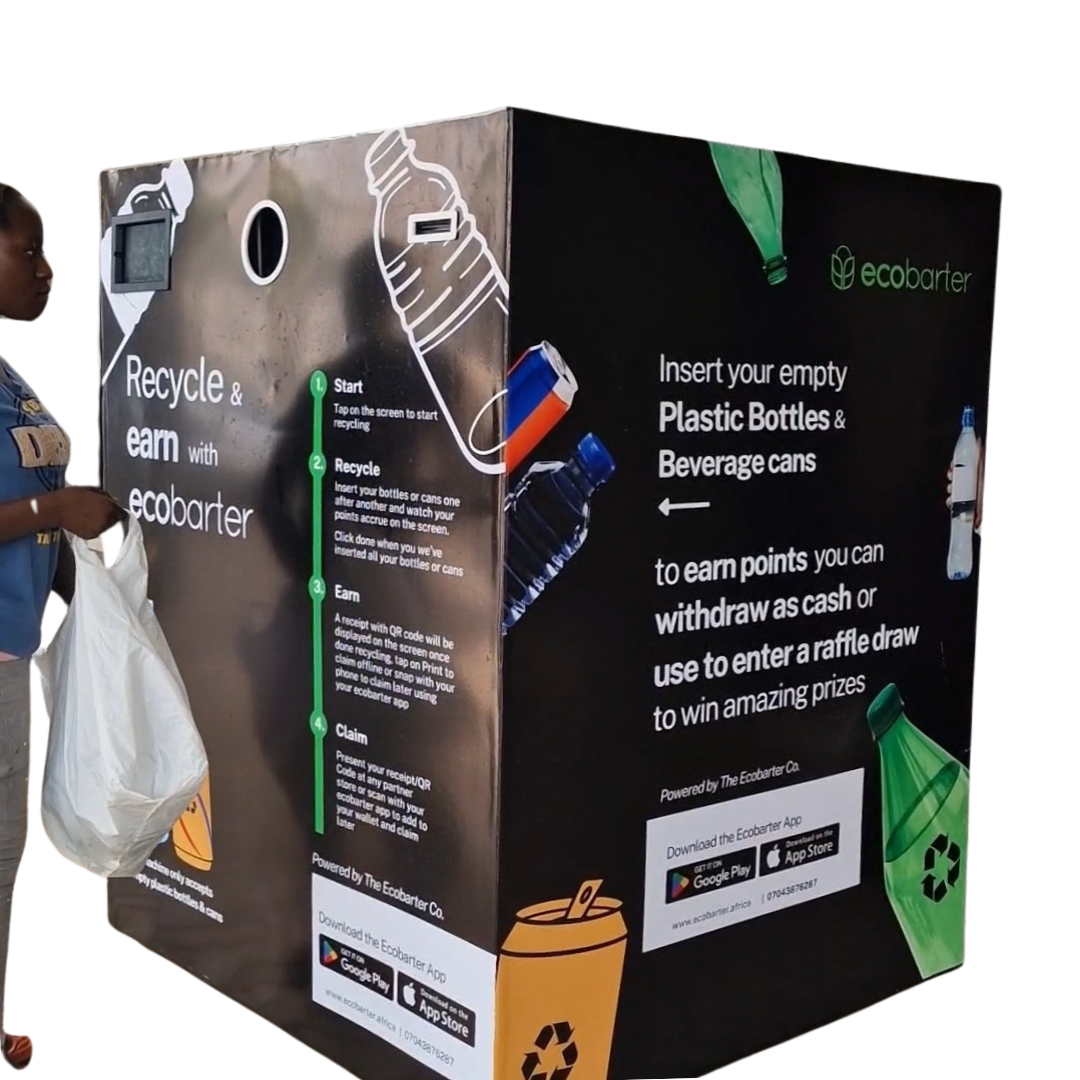
In all, the idea is straightforward: turn rubbish disposal into a transaction. Each item scanned by the machine is identified, valued, and credited for cash. The users will be able to withdraw their earnings, pay household bills, or donate to community projects straight from their Ecobarter digital wallet.
According to the company’s 2024 pilot report, the RVMs processed over 500,000 bottles in six months, stopping nearly 8 tonnes of plastic from ending up in landfills. Beyond collection, Ecobarter is building a strong data layer around waste. Their system records information on recycling habits, location trends, and material flow, creating what co-founder Oluwaseun Afolabi calls "the digital blueprint of Nigeria’s waste value chain."
Recyclan and the Smart Bin Revolution.
Latest Tech News
Decode Africa's Digital Transformation
From Startups to Fintech Hubs - We Cover It All.
Recyclan does things differently in Kenya. Instead of the centralized machines, it deploys smart bins, fitted out with IoT sensors that detect how full they are, and send an alert to collection teams automatically.
These bins, placed in Nairobi's residential areas and public buildings, are linked to a mobile platform that tracks the amount of recyclable material each household puts in. The participants earn RecycPoints, which can be converted into cash, grocery vouchers, or mobile airtime.
Since its launch in 2022, Recyclan has collected over 3 million kilograms of recyclable waste, according to CEO Kevin Ochieng’, and reduced collection inefficiency by 40% in areas with active sensors.
Wecyclers and the Power of Low-Tech Data

Long before automated machines, Wecyclers pioneered the rewards-for-recycling model in Nigeria. Founded in 2012 by Bilikiss Adebiyi-Abiola, it uses a simple fleet of low-cost cargo bicycles and motorized tricycles to collect clean recyclable waste from homes. Participants get points based on weight, redeemable via SMS.
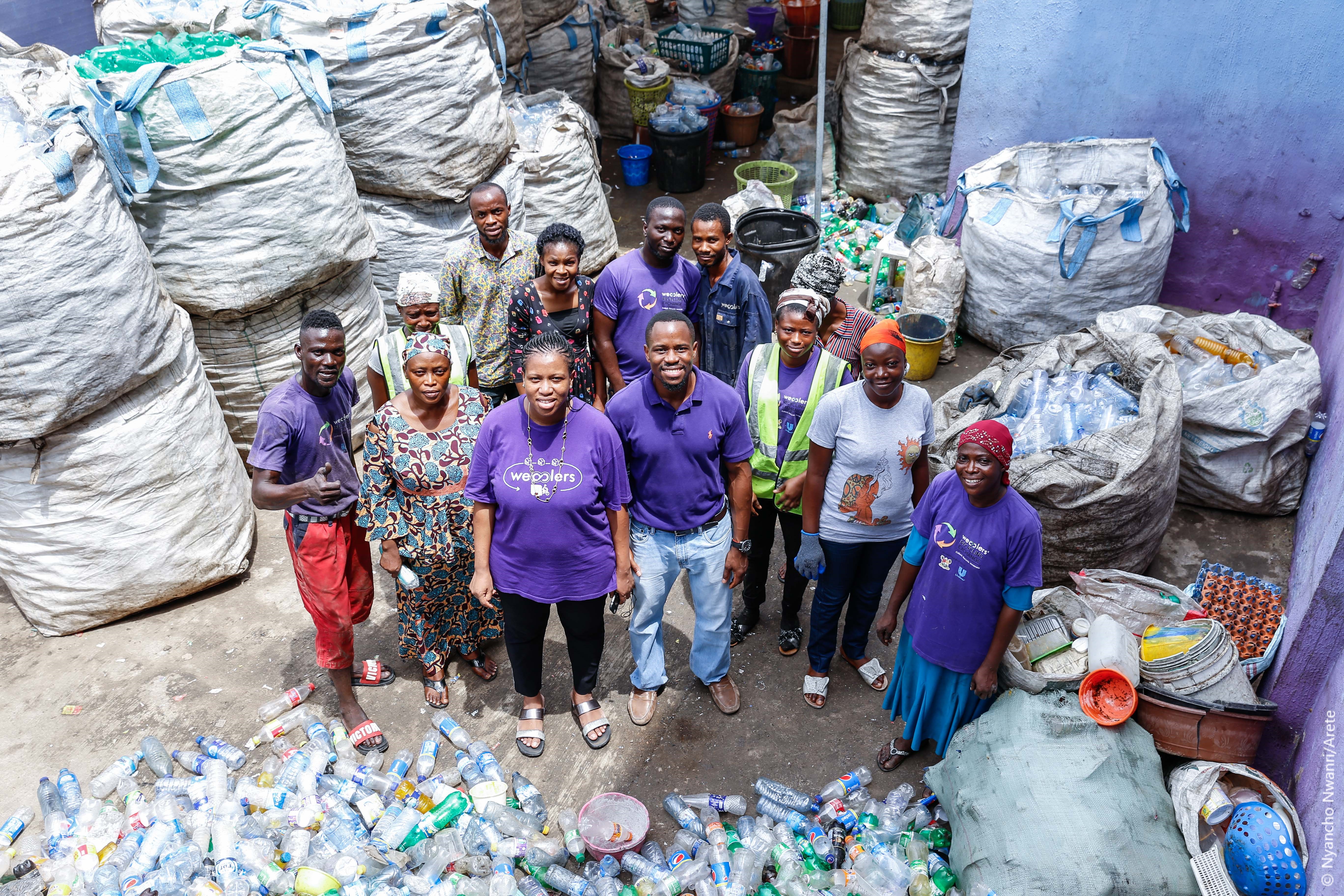
The model is simple, but it works. By 2023, Wecyclers had collected over 15,000 tonnes of recyclables, while scaling local recycling hubs in partnership with the Lagos State Government and Nestle Nigeria.
Wecyclers remains important to the modern green-tech conversation because of its hybrid approach: it combines simple data collection with strong community involvement.
Using the digital platform, the company tracks waste volume, collection frequency, and participant demographics, feeding this information into a larger system that now helps inform government waste management policies.
Ghana's Sesa Recycling: From Trash to Digital Tokens
In Ghana, Sesa Recycling is taking it a notch higher by incorporating recycling with blockchain-based rewards. Founded in 2021, the startup has been using a digital platform where users deposit sorted waste at collection points and receive Sesa Tokens-a digital currency that can be redeemed for products, mobile credit, or donations to charities.
The tokens are recorded on a clear digital ledger that can track the origin of the waste from the user down to the recycling facility. In October 2024, Sesa said it was processing more than 1.2 million kilograms of recyclables and had over 10,000 active users in Accra and Kumasi.
Its approach is inspired by the principles of circular economy practices already in place in countries like Estonia but tailored for African conditions, blending community incentives with digital education efforts.
Latest Tech News
Decode Africa's Digital Transformation
From Startups to Fintech Hubs - We Cover It All.
Tech as the Bridge Between Waste and Wealth
These developments demonstrate a key trend: the waste industry is quickly becoming an information-based one.
For years, cities across the continent framed waste as a problem; startups are recognizing it correctly now as a measurable economic asset. With mobile apps, smart sensors, and blockchain tracking, it is possible to price waste, exchange and monetize it.
Recycling is being turned into a rewarding activity; the user is being rewarded, with money in return, and with acknowledgment and a clear, measurable impact. This approach of behavioral design is redefining how Africans think about buying, disposal, and sustainability.
According to a report from the African Centre for Economic Transformation, the circular economy of the continent could yield $8 billion in annual revenue by 2030 if digital waste systems are successfully deployed across just ten major cities.
Obstacles to Scaling Up
But despite that evident potential, those startups have to overcome a lot. Inadequate infrastructure, policy inconsistency, and the cautiousness of investors make it hard to expand: automated vending machines require reliable power and maintenance, smart bins demand steady internet connectivity, and token-based systems face unclear rules over digital assets.
There is also the human element: for millions living in poverty, recycling may still be a low priority compared to daily survival. Closing this gap requires more than technology; it requires education, government support, and sustained financial motivation.
“You can’t force new behavior. You can only make the reward for that behavior clear and compelling.”
The Future of Urban Waste Tech in Africa
Despite the challenges, progress is accelerating: a number of governments, such as the Lagos State government in Nigeria, Ghana's Ministry of Environment, and Kenya's NEMA, are now developing policies that incorporate these startups into national recycling strategies.
This includes the corporate sector, too. International companies like Nestlé, Unilever, and Guinness Nigeria partner with these local startups, tying in their global sustainability goals with community engagement on the ground.
According to experts, the next stage is deep automation and traceability, using AI for waste sorting, drones that quickly map out hotspots of waste, and even blockchain to verify all recycling data.
Latest Tech News
Decode Africa's Digital Transformation
From Startups to Fintech Hubs - We Cover It All.
A New Variety of Value System
What's going on in Africa's recycling tech sector is a parallel of its FinTech revolution: it's innovation is being born of having to find a better way. It's the same story underneath: from the constraint, finding a solution.
What started as a direct response to overflowing dump sites is now developing into a digital ecosystem where waste creates opportunity. This is not charity, it is real business, powered by technology and supported by people who now recognize value in what was once simply thrown away.
The key question is how quickly will every discarded bottle, can, and wrapper become a traceable asset within a continent-wide data economy that finally pays for what it used to discard?