Prof Quartey Unpacks Ghana's Economic Woes: Policy Rates, Fuel Reliance & Persistent Vulnerability
Economist Professor Peter Quartey supports the Bank of Ghana's decision to maintain its policy rate at 14%, citing rising global oil prices and inflationary threats. He also warns of Ghana's high vulnerability to external economic shocks due to imported fuel dependence and reliance on gold exports, urging for stronger economic buffers.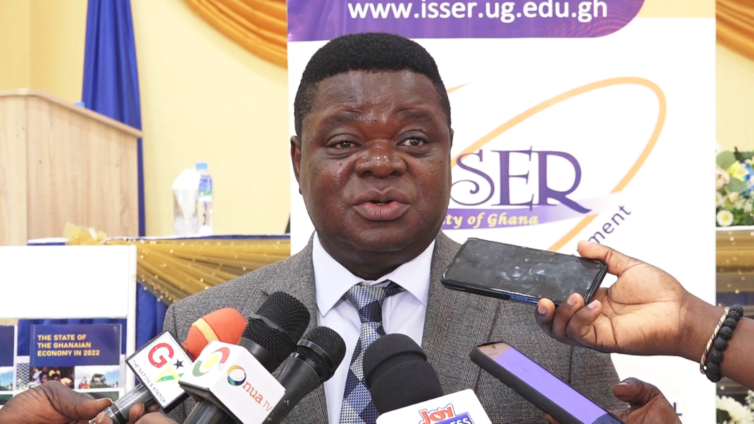
Economist Professor Peter Quartey has provided a comprehensive assessment of Ghana's current economic state, unequivocally backing the Bank of Ghana's (BoG) decision to maintain its policy rate at 14%. His analysis, however, also included a critical warning regarding the nation's profound and persistent vulnerability to external economic shocks. These dual perspectives highlight both the immediate monetary policy considerations and the deeper structural challenges confronting the Ghanaian economy.
Professor Quartey lauded the BoG's decision to keep the policy rate unchanged as an appropriate and ideal strategy, particularly in light of rising global oil prices and persistent domestic inflationary threats. He elaborated that the global economic outlook, especially concerning oil prices, remains highly uncertain, posing considerable risks to Ghana's macroeconomic stability. Domestically, consumers and businesses continue to face pressures from increased utility charges and escalating fuel prices at the pump, contributing to a challenging inflationary environment. While acknowledging the theoretical possibility of a rate hike in response to global pressures, Professor Quartey strongly advised against it, explaining that such a move would inevitably increase the cost of doing business, thereby imposing additional burdens on local enterprises. He further endorsed the Bank of Ghana's cautious approach of monitoring developments before making any subsequent decisions, asserting that maintaining the rate is