Pompeii's Last Occupations: Unveiling the Hidden Jobs Before Vesuvius Erupted!
Explore the daily lives of Pompeii's residents in the days leading up to Mount Vesuvius's AD 79 eruption. Discover the diverse professions, from mosaicists and farmers to bakers and fullers, that shaped the city's vibrant culture and economy before its tragic demise.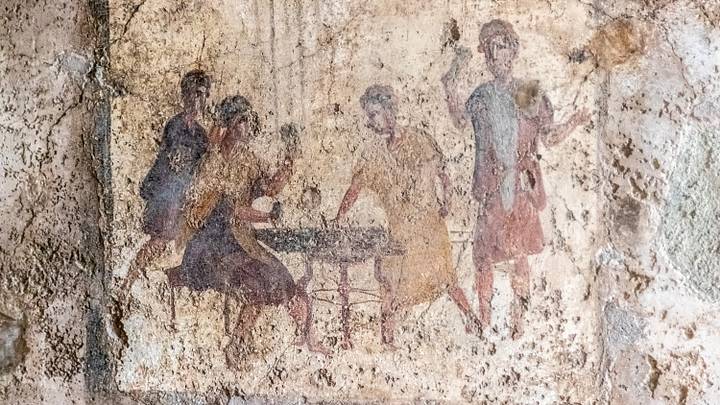
The bustling city of Pompeii, nestled near Mount Vesuvius, experienced its final days in AD 79 with a sense of oblivious routine. Despite frequent tremors, a common occurrence in the tectonically active region, citizens largely disregarded these ominous warnings. Life continued as normal; taverns, marketplaces, and main streets remained vibrant until the catastrophic eruption struck around noon. Vesuvius unleashed rock and ash high into the sky, blanketing the prosperous city and burying its inhabitants within 24 hours. Even those who attempted to flee could not escape the tragic fate that befell Pompeii. To better understand the culture and economy of this ancient city, a closer look at the diverse roles and daily activities of Pompeian workers on that fateful morning provides invaluable insight.
Among the skilled artisans were the Mosaicists, who crafted intricate patterns using tesserae—small stones and pieces of glass—set into mortar. These artists were commissioned to adorn floors and walls, with more elaborate designs commanding higher prices, signifying them as a luxury for the wealthy. Master mosaicists demonstrated remarkable skill, creating stunning scenes, often featuring Roman gods or goddesses, animals like dogs, or depictions of historical events, using tesserae no larger than dice. Beyond mosaicists, other creative trades also flourished, including ceramists, blacksmiths, marble carvers, and goldsmiths, all contributing to the city's rich artistic landscape.
The fertile volcanic soil surrounding Pompeii provided a robust foundation for agriculture, supporting a variety of crops such as wheat, barley, numerous vegetables (including lettuce, broccoli, basil, and leeks), olives, and grapes, which extensively covered the region's vineyards. Farmers and landowners diligently harvested wheat and barley for bread, grapes for wine, olives for oil, and a plentiful supply of onions. Beyond crops, farmers and herders also raised sheep, utilizing them for milk, meat, and wool. Wool production, in particular, was one of Pompeii’s most affluent and influential trades. While most farms operated as small, family-run ventures, larger villas were capable of producing significant harvests, enabling the export of their goods and reinforcing the region's well-established trade networks. In addition to harvesting, farmers dedicated their efforts to planting, preserving, and irrigating their crops, a crucial practice "to ensure the productivity of fields and gardens," as documented by Pompeii Online. It's important to note that while deeply connected to agriculture, winemaking itself was considered a distinct and specialized profession.
Back within the city limits, Bakers played a crucial role in daily life, as bread was an indispensable staple for virtually every meal. Although affluent Pompeian households often possessed their own ovens, bakeries were ubiquitous. These ranged from small, localized shops serving neighborhoods to larger operations equipped with their own mills, particularly concentrated in the town center where grain supplies were readily accessible. Reflecting their inventive and intuitive nature, ancient Pompeians efficiently mixed dough using specialized kneading machines, avoiding the labor-intensive process of hand-mixing. Bakers would then meticulously shape and stamp the bread before baking, preparing fresh loaves for their eager customers. Archaeological excavations within Pompeii’s ruins have unearthed several large ovens, providing concrete evidence of the widespread existence and importance of bakeries in the ancient city.
For public communication, Scriptores served as the city's professional writers and painters, vital for disseminating information. They were hired to paint advertisements, official notices, and political campaign slogans directly onto the exteriors of buildings. These public messages varied widely, from promoting popular entertainment, such as detailing the schedules and lineups for upcoming gladiator games, to purely political declarations urging citizens to cast their votes for specific candidates. Much like contemporary artists, scriptores often inscribed their signatures on their completed work, proudly claiming ownership of their craft and leaving a lasting mark on the city's visual landscape.
The vibrant social scene of Pompeii before the eruption also relied heavily on Tavern Workers. Many residents found employment behind the counters of thermopoliums, which functioned as ancient "snack bars" or "fast-food restaurants," offering quick food and drink. Behind these street-facing counters were more traditional taverns, known as cauponae, where patrons could sit, relax, and enjoy beverages at a more leisurely pace. Some of these counters featured distinctive grooves, ingeniously designed to help owners detect counterfeit coins. These popular establishments were typically staffed by family members, hired personnel (with women often referred to as "bar maidens"), and enslaved workers, all contributing to the cooking, serving of food, and pouring of wine that characterized Pompeii's lively culinary and social scene.
Finally, Fullers were the essential launderers or, in modern terms, the dry cleaners of ancient Pompeii, entrusted with the crucial task of washing and maintaining soiled garments. Clients provided specific instructions for the care of their particular clothing items. To achieve cleanliness, fullers employed various detergents, notably including those made with urine, which served as a rudimentary but effective bleaching agent. Their responsibilities extended beyond mere washing; fullers diligently monitored the condition of fabrics throughout the entire cleaning process, ensuring that garments were not only clean but also properly cared for. Much like those involved in the wool industry, fullers were well compensated, underscoring the significant cultural importance Pompeians (and ancient Romans generally) placed on maintaining a presentable appearance, regardless of social standing.