Peter Obi and the 2027 Question: Hope, Hesitation, and the Return of a Promise
Peter Obi’s return for Nigeria’s 2027 presidency revives hope and doubt alike. Once a symbol of change, he now faces questions of credibility, delivery, and a nation more alert than ever.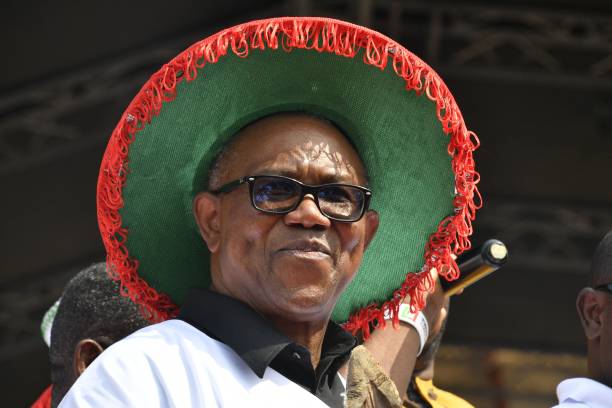
The Return of a Familiar Figure
Contrary to popular uncertainty, Peter Obi has already declared his interest in the 2027 Presidential elections— it was made in mid-2025, and was met with mixed feelings— cheers in some quarters, raised brows in others. For many Nigerians, the former Anambra governor had become a symbol of a new political consciousness during the 2023 elections—riding on the wave of youth energy, digital mobilization, and a promise of transparency. But his return has also reopened old conversations.
Amongst it is the unwritten rule of zoning for the presidential candidates— which can be tied to his intentions for a single-term service— as he has clearly stated that he would serve only one term if elected.
But beyond the announcement, a deeper question looms: what exactly should Nigerians expect from Peter Obi in 2027?
Between Conviction and Convenience

SOURCE: Getty Images
There is no doubt that Obi’s political appeal comes from a cultivated image of simplicity and frugality. His record in Anambra, often cited for fiscal discipline and investment in education, remains a rallying point for his supporters. In interviews and town hall meetings, he projects competence and calm—a contrast to the fiery rhetoric that dominates Nigeria’s political landscape.
But critics say Obi’s political rebirth in 2023 also benefited from timing and frustration, not just policy. The #EndSARSgeneration had found its voice, and the older political elites were losing theirs. Obi became a vessel of expectation. Some would argue that his rise was less about him and more about what he wasn't—he wasn’t Atiku, and he wasn’t Tinubu.
Now in 2027, with those dynamics shifting, it is no longer enough to be the outsider.
And herein lies the complexity: Obi is no longer the underdog. He is a former frontrunner returning to a more crowded race. The expectation is no longer novelty but delivery. Nigerians will not only ask what he represents, but also what changed in four years?
What He Brings Back to the Table
Obi’s campaign appears poised to double down on key themes from 2023: economic restructuring, reducing the cost of governance, and reviving production over consumption. He has repeatedly voiced support for shifting Nigeria from an import-reliant to a production-driven economy—especially through support for SMEs, local industries, and export strategies.
Education and health remain high on his list. His speeches often highlight how Nigeria underinvests in its people. “Human capital,” he insists, “is the engine room of development.” Whether in formal debates or spontaneous interviews, Obi continues to argue that fixing education and health infrastructure is not charity—it is strategy.
Then there’s the currency crisis. Though Obi has criticized current monetary policy and the handling of the naira’s freefall, he’s offered few radical alternatives. His focus tends to return to fiscal discipline, transparency, and better debt management.
Critics argue that this can feel too textbook—not daring enough for the scale of Nigeria’s woes. Supporters counter that the country has tried dramatic policies with little success—and that a return to fundamentals is the real revolution.
Where the Critics Are Watching
Obi’s detractors often point to his perceived elusiveness on structural reforms. On security, for example, while he has spoken about community policing and local intelligence, his strategy remains light on operational detail.
Others worry about how he intends to implement sweeping economic reforms without ruffling the same feathers that every reformist before him has feared. Subsidy removal? Civil service cuts? Foreign policy shifts? These are areas where Obi has tread cautiously, avoiding definitive positions.
But perhaps his biggest challenge isn’t policy—it’s perception.

The promise of a single term, made before the 2023 elections, now feels like a broken vow to many. While no constitutional rule binds him to it, the moral contract with his supporters might feel breached. Some ask: if this promise can be discarded, what about the next?
Yet, Obi still has a chance to frame his return not as ambition, but as unfinished business. He wasn’t voted in. The system, they say, never gave him a shot. His supporters could spin the narrative from promise broken to promise deferred.
The question is whether the electorate is still listening.
The Larger Context: A Race Getting Crowded
The 2027 race isn’t shaping up as a two-horse race. The Coalition Party—featuring names like Atiku Abubakar and Rotimi Amaechi—is already being floated. There are whispers of governors eyeing Abuja. And within the Labour Party itself, there are murmurs about internal realignments.
This matters for Obi. In 2023, his clean break from the PDP gave him an aura of independence. In 2027, he may have to rebuild that coalition—not only of youth, but of regions, minorities, and stakeholders long ignored. Will Southeast governors support him? Will Northern voters buy into his fiscal vision? These are strategic—not moral—questions that any serious campaign must confront.
Some observers even question whether he’ll remain with the Labour Party at all. Although he reaffirmed loyalty to the party in public, internal rifts and court cases have weakened the platform’s coherence. If the structure crumbles, where does Obi stand?
What Supporters Still See

SOURCE: Getty Images
Despite the criticisms, many still see Peter Obi as the only candidate offering a semblance of direction. His speeches carry data. His demeanor exudes calm. His refusal to play dirty politics—even when baited—earns him quiet respect in a noisy space.
The man who once carried a backpack and rode commercial flights while others charted private jets still holds symbolic power. And perhaps that’s his greatest weapon in 2027—not policy specifics, but the image of what leadership could look like.
His youth supporters, though not as loud as before, remain active. Digital campaigns in 2023 that once mobilized millions may reawaken. But even they admit: it’s no longer just about vibes. If Obi is coming back, he has to return with both heart and plan.
Looking Ahead with Caution and Hope
Peter Obi’s return is not merely a political rerun—it is a test of memory, promise, and delivery. In 2023, he stood on a mountain of hope. In 2027, he stands at a crossroads of skepticism and second chances.
The country is in no less distress than it was four years ago. Inflation bites deeper. Security remains fragile. Youth unemployment still dominates. But the country is also more politically alert, less trusting, more demanding.
Obi’s bid is a gamble. It says: "They didn’t let me try. Let me try again." But it also opens the floor for Nigerians to ask: “What changed?”
In the end, it will not be enough to have the cleanest record. Nigerians will ask if Peter Obi has the boldness to do the hard things, not just the right ones. They will ask if he is running to serve, or to be seen. And they will ask, perhaps most importantly, whether he is still the answer—or if Nigeria must keep asking new questions.