P2P Crypto in the Informal Economy: The Unseen Payments Revolution
Peer-to-peer crypto trading is transforming the global informal economy from Africa to Asia as millions bypass banks to create a new, decentralized system of trust.
For decades, the informal economy, the vast network of small traders, artisans, and microbusinesses that sustain much of the Global South has survived on cash. Yet, quietly and without permission, a new financial revolution is unfolding in its shadows. Peer-to-peer (P2P) cryptocurrency trading, once dismissed as a niche tech hobby, has become a lifeline for millions navigating inflation, currency instability, and financial exclusion. All over Africa, people are skipping banks entirely and building their own decentralized systems of trust.
The Rise of the Unbanked Blockchain
When Nigeria’s central bank restricted direct crypto transactions in 2021, many thought it would spell the end of the movement. Instead, P2P trading on platforms like Binance and Paxful exploded. Users simply began transacting directly with one another buyer to seller, wallet to wallet bypassing the ban entirely. It was a reminder that regulation can slow innovation but rarely stop it.
In Kenya, home to the iconic mobile money system M-Pesa, the leap to crypto felt natural. Many young professionals and gig workers began converting their earnings into USDT, the dollar-pegged stablecoin as a hedge against inflation. For traders and freelancers paid in global currencies, P2P marketplaces became essential tools of survival, not speculation. In an economy where cash loses value overnight, crypto became a store of hope.
At its core, P2P trading is simple: two users agree to exchange cryptocurrency for local currency, usually through a secure platform that holds the digital assets in escrow until payment is confirmed. No middlemen, no bank delays, and often no questions asked. This form of digital barter has reshaped the meaning of trust online.
What makes it revolutionary is its accessibility. You don’t need a formal ID, credit score, or even a bank account, just a phone and data connection. On Remitano or LocalBitcoins, traders can conduct transactions worth a few dollars or thousands, safely and directly. For millions who have been locked out of the traditional system, this isn’t just a trend, it’s financial inclusion redefined.
The Informal Economy’s Digital Twin
Across Africa, Asia, and Latin America, over 60% of economic activity happens informally meaning outside the reach of tax systems and banking networks. These micro-economies thrive on relationships, reputation, and reciprocity. Crypto, particularly peer-to-peer models, mirrors those very dynamics.
A market woman in Accra or Dar es Salaam no longer has to rely on volatile local currencies. She can accept stablecoins and convert them through a trusted network of traders in minutes. For migrant workers, remittances that once took days and drained fees through traditional channels like Western Union can now be sent instantly using platforms like Bitnob and Yellow Card. For small entrepreneurs, P2P crypto acts as a digital bridge to global commerce without the bureaucracy of banks.
Why Stablecoins Became the People’s Currency
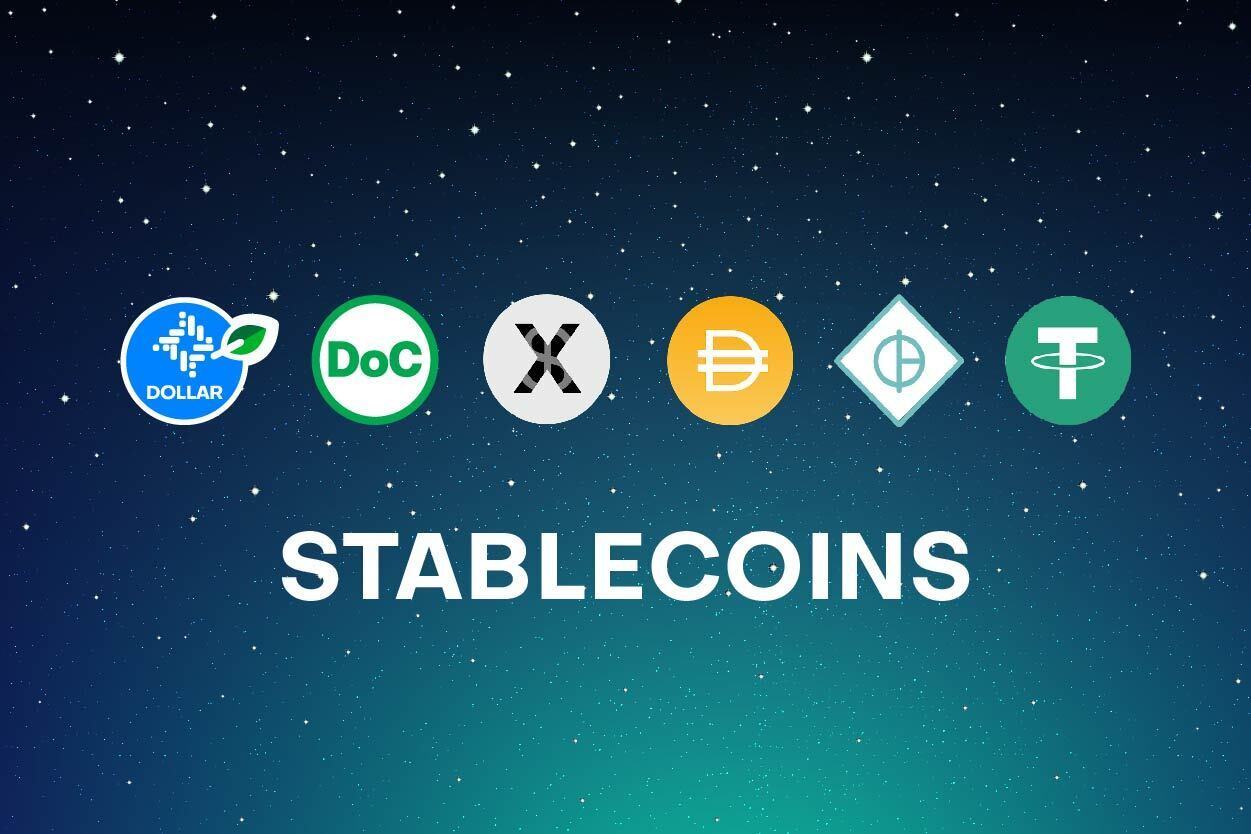

In a continent where inflation is more predictable than policy, the appeal of stablecoins is obvious. The Naira, Cedi, and Zimbabwean dollar have all struggled against the U.S. dollar. But with tokens like USDC or USDT, users can store their earnings in a digital form of hard currency stable, portable, and borderless. For many, the first “dollar account” they ever owned was a crypto wallet.
This movement is so profound that Chainalysis now ranks several African nations among the top adopters of cryptocurrency globally, led by Nigeria, Kenya, and Morocco. These are not investors chasing profit; they’re everyday people escaping the grind of devaluation and red tape. For them, blockchain is not a buzzword, it’s a survival tool.
The P2P Revolution Is Built on Necessity
What sets Africa apart is that crypto adoption isn’t driven by hype, but by hardship. When banks impose limits on transfers, people find workarounds. When cash is scarce, they go digital. And when governments censor innovation, the street still finds a way.
In 2023, the Central African Republic became the first African nation to adopt Bitcoin as legal tender, joining El Salvador in a daring experiment. Though the move drew skepticism, it marked a symbolic shift: even the smallest economies can rethink money. The rise of peer-to-peer systems embodies that same defiance people building parallel economies that no longer wait for permission.
In urban centers like Nairobi, you’ll find Telegram and WhatsApp groups where traders verify each other’s reputations and conduct transactions without any centralized oversight. They form digital guilds informal, decentralized, and self-regulating. This ecosystem of mutual trust has become the new backbone of the informal sector’s digital transition.
While Africa remains a crucible for grassroots adoption, the global south is moving in sync. In Argentina, where inflation has surpassed 200%, freelancers are increasingly paid in crypto to protect their wages. In Turkey, ordinary citizens use platforms like Binance P2P to safeguard their savings from currency collapse. Across the Philippines, crypto remittances rival traditional banking transfers in volume.
It’s not just about finance, it’s about sovereignty. P2P crypto allows users to reclaim control over their value, free from banking systems that often exploit rather than empower. The informal worker, once marginalized by global finance, now stands at the center of a new economic order.
Still, the revolution is not without its shadows. P2P platforms have become targets for scams, fraud, and money laundering. In 2024, Binance P2P faced scrutiny in Nigeria after authorities alleged that some users were manipulating exchange rates. Similar crackdowns have taken place in India and Indonesia. The same anonymity that empowers users can also enable bad actors.
Moreover, governments worry about capital flight and tax evasion. Without proper regulation, P2P trading operates in a legal gray zone neither fully illegal nor officially sanctioned. Many African regulators, including the Central Bank of Kenya and Securities and Exchange Commission of Nigeria, are now exploring
The future of P2P trading may lie not in opposition to regulation, but in collaboration. Platforms are beginning to introduce KYC (Know Your Customer) options and dispute mechanisms to boost safety and legitimacy. Some fintech startups are building hybrid models, allowing users to move seamlessly between crypto and fiat without friction. The informal economy, once invisible to data and policy, is now being mapped by blockchain analytics, a new layer of visibility built on voluntary transparency.
Perhaps the most intriguing shift is cultural. As crypto literacy grows, people are not just adopting new money; they’re adopting new mindsets. The same youth who once struggled with joblessness are now digital traders, developers, and community educators. Crypto has become both income and identity, a form of digital empowerment spreading from street kiosks to startup hubs.
The Informal Future of Finance


In many ways, the rise of P2P mirrors the story of mobile money two decades ago. Back then, few believed that phone-based payments could replace banks. Today, M-Pesa moves billions daily. If that era belonged to telcos, this one belongs to communities. The informal economy, often dismissed as backward, may yet lead the next phase of financial evolution.
What makes P2P systems revolutionary isn’t just their technology, it’s their philosophy. They’re built on decentralization, participation, and autonomy. And as governments worldwide debate central bank digital currencies (CBDCs), the grassroots have already answered the question of who money should serve: everyone.
The Currency of Connection
In a café in Lagos, a designer accepts payment from a client in Berlin in crypto. A tailor in Accra receives remittance from her son in London in USDT. A farmer in rural Kenya trades his produce earnings into stablecoins to buy fertilizer the next season. None of them needed a traditional bank to do it. This is what the future of money looks like: informal, decentralized, borderless.
P2P crypto is not a trend waiting for Wall Street approval; it’s a movement rewriting financial rules from the margins. And like all revolutions, it began quietly, one transaction, one trader, one message at a time.