Opinion: Thought Police and Truth Police Might Be Closer Than We Think
As far back as 2013, researchers at Japan’s ATR Computational Neuroscience Laboratories developed a system capable of visualizing and recording dreams with an impressive 60% accuracy. Fast forward to 2025, and AI-generated images and videos have become virtually indistinguishable from reality. Yet, few seem concerned about the path we may be heading down—a future where one organization dictates what is true, and another monitors what we think.
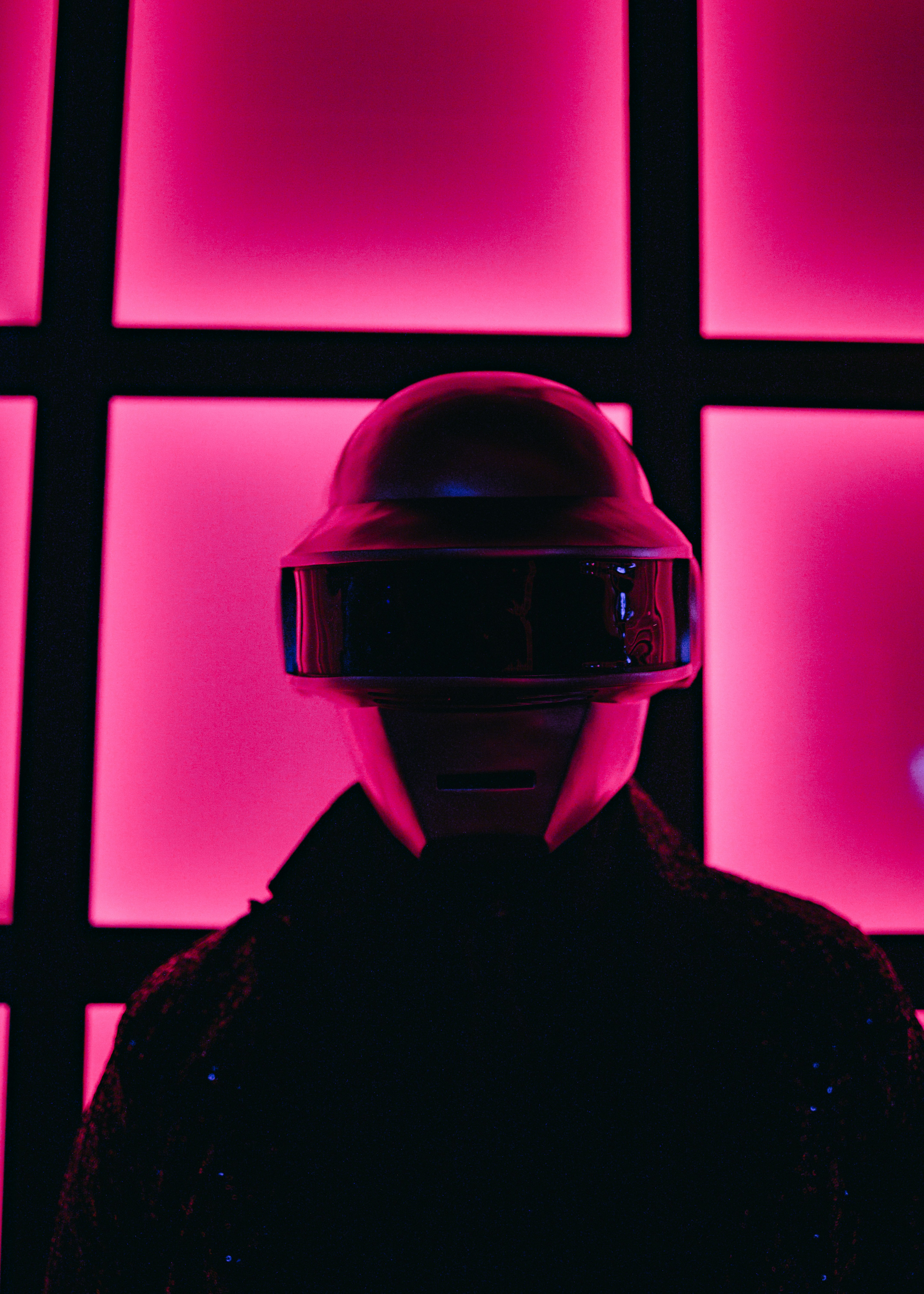
With the Rise of AI for Brain-Computer Interfaces and Indistinguishable AI-Generated Media, the Thought Police and Truth Police Might Be Closer Than We Think.
The dystopian world of George Orwell’s 1984 no longer feels like fiction. Once a dire warning about authoritarian overreach, Orwell’s "Thought Police"—agents who punish unorthodox thinking—and the Ministry of Truth—responsible for rewriting history and shaping public perception—are beginning to echo in our world through the quiet, exponential rise of artificial intelligence.
Recent advances in brain-computer interfaces (BCIs),particularly those capable of interpreting neural signals with increasing accuracy, have opened a door to the inner sanctum of human privacy: our thoughts. What began as a noble effort to help paralyzed individuals communicate or control prosthetics has now evolved toward commercial, even military, applications. Neural activity is no longer just the stuff of dreams—it is becoming data. And in the wrong hands, it could become a weapon.
As far back as 2013 at Japan’s ATR Computational Neuroscience Laboratories, scientists created an a system capable of visualizing and recording dreams with an impressive 60% accuracy, representing a significant step forward in dream visualization technology.

Meanwhile today, AI-generated images and videos are rapidly becoming indistinguishable from reality. Deepfakes can now convincingly put words in anyone’s mouth. Entire news clips, public confessions, or criminal “evidence” can be conjured by algorithms trained to mimic reality down to every wrinkle, blink, and breath. In Orwellian terms, we are on the verge of creating a real-life Ministry of Truth: an institutional or algorithmic force capable of declaring what is real, not because it is factual, but because it is convincing enough.
Imagine a world where both technologies merge—where your thoughts are readable, and any contradiction between your mind and a state’s “official truth” put’s you in danger.
The ethical questions are staggering:
Who controls the interpretation of thoughts?
Who defines what is real when the real can be fabricated?
Can truth survive in a world where reality itself is editable?
We are not yet living in Orwell’s nightmare, but the tools to build it are being developed—quietly, efficiently, and often with the best of intentions. It is not enough to ask what technology can do. We must urgently ask what it should do—and who gets to decide.
In a world teetering on the edge of simulated reality and cognitive surveillance, we may soon find ourselves longing for something as quaint as objective truth.