Opinion: The Deeper Meaning of Nostalgia in Modern Life
Dive into the fascinating world of nostalgia—uncover its psychological roots, explore its emotional impact, and learn how looking back helps us make sense of the present. Why do we yearn for “the good old days,” and what purpose does it serve in our lives today?

Introduction: Every Generation’s Gentle Escape into the Past
Every generation eventually looks backward. Whether it’s the soundtrack of adolescence, or the fashions and phrases that once defined a moment in time, nostalgia takes hold of us all. It’s a universal human experience—one that tends to grow stronger as the pace of life accelerates and the present becomes more difficult to navigate. We turn to the past not necessarily because it was perfect, but because it feels familiar, and in that familiarity, we find comfort.

Not all that is remembered is Gold
What’s especially telling, though, is how we choose to revisit the past. For many, flipping through old photo albums or watching home videos can be too raw—too real. These images reflect not just the aesthetic and the setting, but the deeply personal details: expressions, bodies, relationships, losses. They remind us of who we were and what we struggled with, sometimes more harshly than we’re ready to face.
In contrast, engaging with nostalgia through media—movies, music, television, books—offers a gentler way back. These cultural artifacts allow us to re-enter the atmosphere of the past without confronting its full personal weight. A beloved sitcom, an old song, or a retro film lets us drift into the background of memory—not as the central character, but as a passing observer. In this space, we can relive the era lightly, without self judgment or emotional cost. It becomes possible to remember the texture of the time—its sounds, rhythms, colors—without being overwhelmed by the version of ourselves who lived through it.

Why Is Everyone Nostalgic for the 90s—Even Those Who Weren’t There?
It’s worth noting that the 1990s aren’t the only decade people feel nostalgic for. Those born in the 1960s often look back fondly on the 70s and 80s, just as people born in the 1940s romanticize the late 40s and 50s. Every generation tends to carry a soft spot for the era that shaped their youth.
However, the 90s are different. Even for those who never lived through it, the 90s appear—through media and popular discourse—as a cultural sweet spot between chaos and complexity. What was background noise for Millennials has become vintage treasure for the younger generations.
In one of the most curious trends of the past century: teenagers and young adults born long after the 1990s ended are embracing its culture as if it were their own lived experience. From retro fashion to lo-fi mixtapes and VHS-style TikToks, non millenials—are fueling a wave of 90s nostalgia. What explains the collective yearning for a time many never lived through?
The Allure of Silence
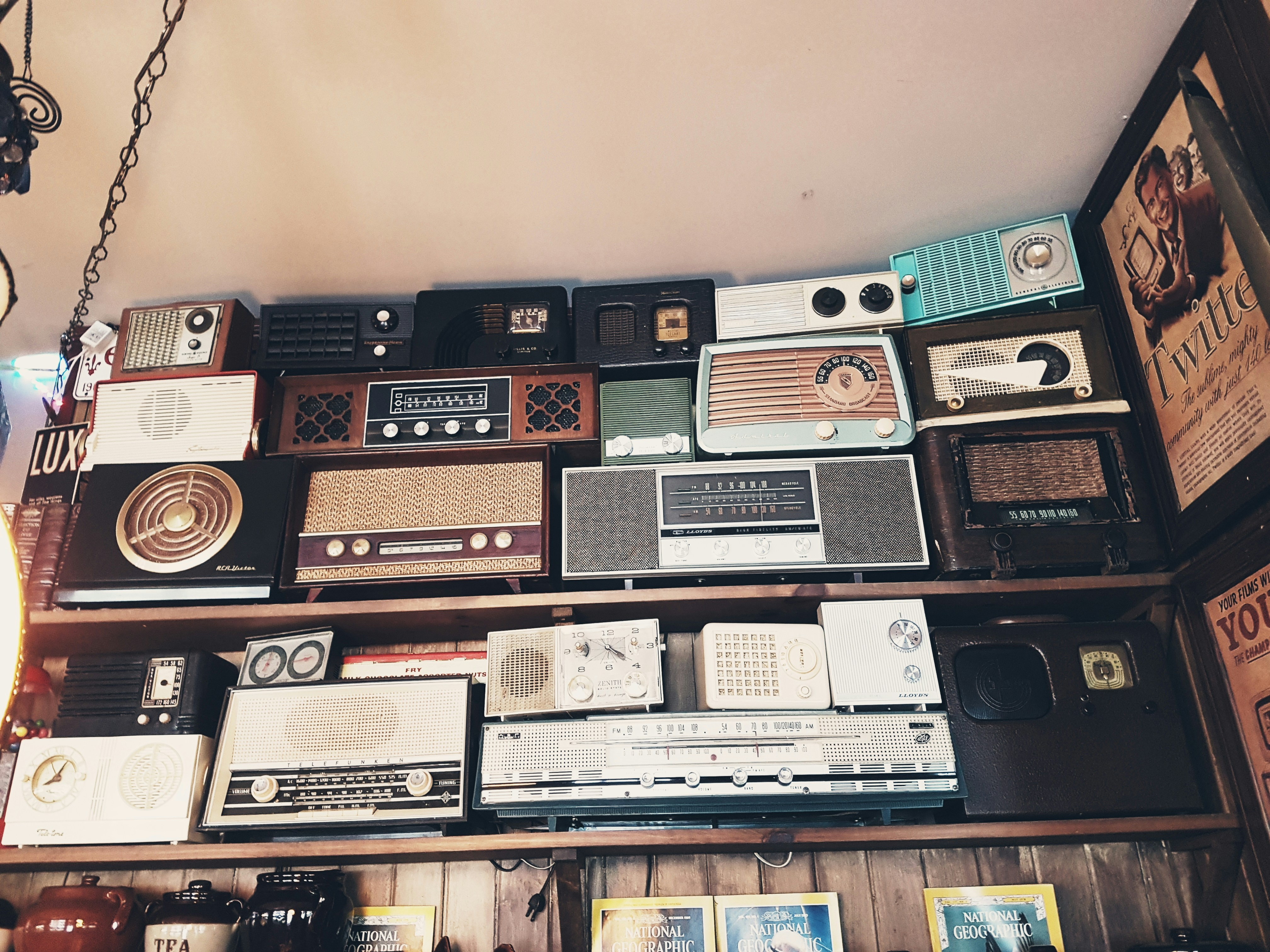
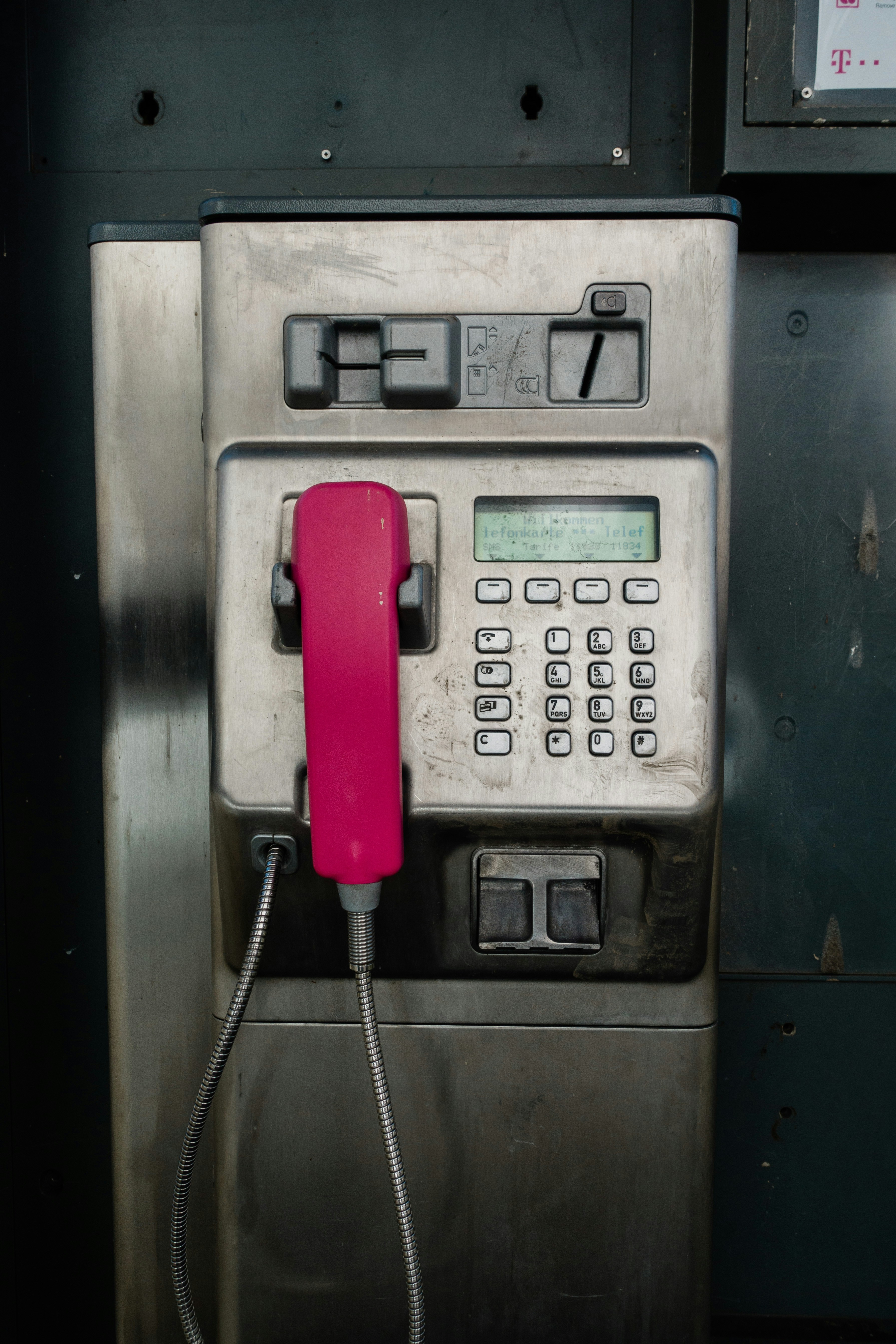
Perhaps the strongest emotional pull of the 90s lies in what it represents: a world where technology was helpful—but not invasive. It was a time when the internet was a tool, not a way of life. From cassettes, to VHRs to landlines, engaging with technology was a choice.
For both older generations who lived through it and younger generations who only hear about it, the 90s feel like one of the last semblances of sanity—a brief moment when modern life felt exciting but not yet exhausting. Before social media consumed attention spans, before notifications became anxiety triggers. The 90s offered a world where you could disappear into technology for a few minutes—and then easily return to reality
What the 90s represent for Africans
Across Africas, the 1990s represented an epoch of genuine belief—belief that things could and would change. There was a sense of awakening. The early spread of mobile phones and the internet opened new doors for communication and knowledge, sparking optimism about modernization and global connection.
The rise of Nollywood empowered everyday people to tell their stories on screen, shaping a new cross-cultural identity that was both local and popular.
Religious revival swept through communities, with Pentecostal and Charismatic movements offering visions of transformation, healing, and divine prosperity.

Even in the face of devastating political conflicts—like theRwandan Genocide or the chaos in the Niger Delta—there was a palpable sense of motion. People endured, resisted, rebuilt. There was struggle, yes, but also a powerful belief that something better was coming from that struggle—through activism, through this new found God of prosperity, and through technology.
That collective optimism is what so many long for now. Because if we’re honest, much of what we hoped for, has not come to pass.
Political cycles repeat, the systems of power, inequality, and exploitation remain. The promise of technology has turned exhausting.
That hopeful, wide-eyed energy. That feeling that the world was on the cusp of something new. We remember it.
Psychological Roots: A Coping Mechanism for Uncertain Times
At its core, nostalgia is a deeply emotional and psychological response to discomfort. When individuals feel unmoored—by grief, uncertainty, or dissatisfaction—nostalgia often surfaces as a form of self-soothing.
Emotional Comfort: Nostalgic memories help ease anxiety and sadness, reconnecting us to moments of perceived safety and belonging.
Personal Identity: It also helps reinforce who we are by connecting our present selves with our past experiences, offering a sense of continuity and coherence over time.
Mood and Well-being: Research shows nostalgia can lift mood and boost resilience—especially when it’s triggered in a healthy context. However, for individuals facing economic or social hardship, nostalgia may increase distress by amplifying what’s been lost.
Media Consumption: People rewatch shows from their youth, listen to songs from “simpler” times, and seek comfort in stories they already know the endings to.
Language and Behavior: We often use phrases or customs from the past to recreate social bonds.
Politics and Public Discourse: National slogans and policy rhetoric often lean on idealized versions of the past to inspire trust or spark collective action.
Relative Deprivation: Nostalgia is especially strong among those who feel they’ve lost something—stability, community, purpose—that was once within reach.
Financial Insecurity: During periods of job loss, inflation, or crisis, people often look back to times of perceived prosperity and ease, even if those times were not entirely idyllic.
Conclusion
Psychologists describe nostalgia as a coping mechanism—something our minds naturally employ to soothe pain, provide continuity, and help us make sense of the present.
The past we remember may not be perfect, but in truth or via self-deception, it often feels less complex than now.