Ojude Oba Festival 2026: Should It Have Been Cancelled After the Oyo School Kidnappings?
Ojude Oba 2026 continued as 46 kidnapped Nigerians remained in the forest. Here's why cancellation was never simple and why the officials who attended owed the country more than silence.
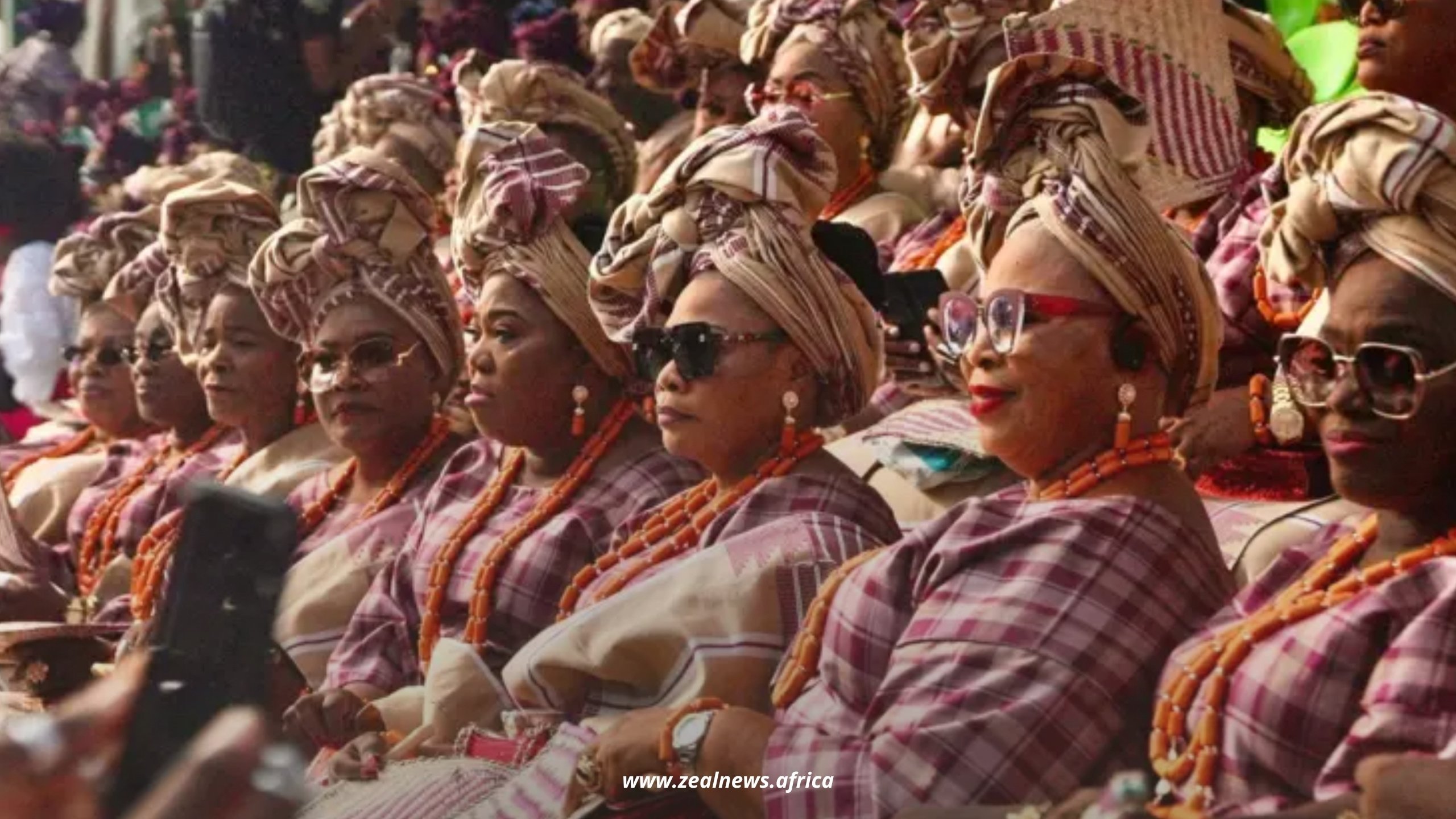
Over the weekend, one of the most iconic Yoruba festivals in the calendar happened, and a significant number of Nigerians felt, and spoke, that it should not have.
The 2026 Ojude Oba Festival held on Friday, May 29, in Ijebu-Ode, Ogun State, just two weeks after armed bandits stormed three schools in Oriire Local Government Area of Oyo State and abducted 46 pupils and teachers, the youngest of whom is two years old. As of the festival date, those children were still in the forest.
This sparked lots of mixed reactions and above these reactions was a question that split timelines: was it insensitive to celebrate?
What Ojude Oba Actually Is and Why It Cannot Simply Be "Called Off"
To answer that question honestly, you need to first understand what Ojude Oba is, not as a party, but as an institution.
The Ojude Oba Festival, which translates literally to "the king's forecourt" in Yoruba, is an annual cultural gathering held on the third day after Eid al-Kabir (Ileya). It began over a century ago as a gesture of homage by early Muslim converts to the Awujale of Ijebuland, paying respect to their traditional ruler after the Islamic celebration.
Over time, it grew into something far larger than its origins. It became a defining cultural spectacle that now draws over 100,000 attendees yearly from across Nigeria and the diaspora.
The festival's signature moments, including the Regberegbe age-grade processions, the Balogun horse parade with riders dressed in full warrior regalia and the staggering display of aso-oke, gele, and agbada, are not things that come together in a week.
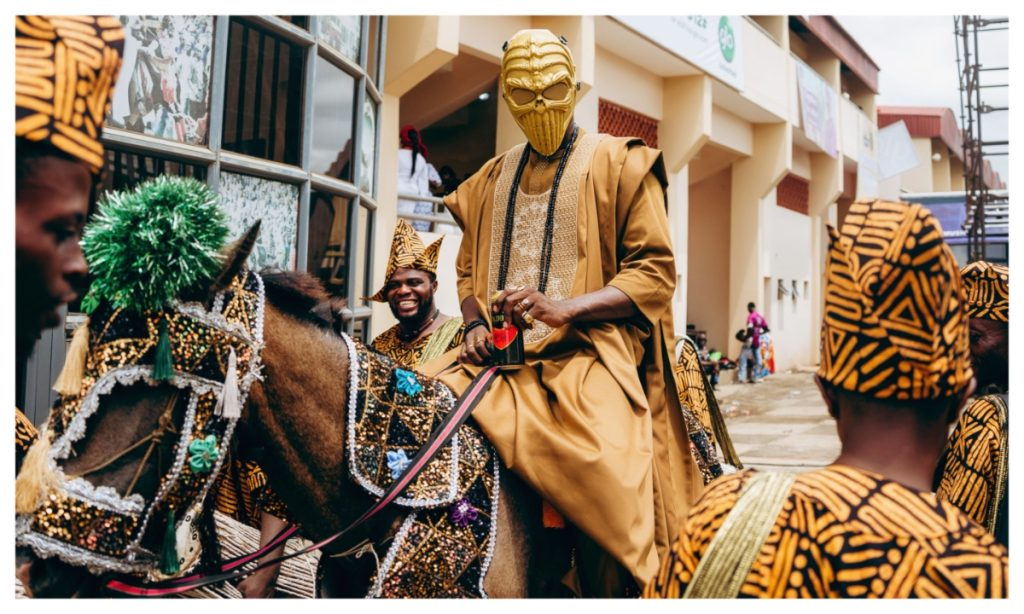
The Regberegbe groups, of which there are over 90, are age-grade societies whose members spend months coordinating their looks, sourcing fabrics, commissioning tailors and rehearsing their procession order.
For many Ijebu families, particularly those in the diaspora, Ojude Oba is the one event they build the year around. They book flights, send money home and commission outfits months in advance.
This is not a concert that can be rescheduled. This is a calendar-anchored, generationally practiced cultural ceremony that is tied directly to the Islamic calendar, meaning it moves with Eid.
You cannot shift it to another weekend the way you would a corporate event. The logistics, the spiritual undertone and the symbolic act of paying homage to the Awujale is tied to a specific moment in time.
The 2026 edition carried even more weight. It was held under the theme "Celebrating the Legacy of Oba Sikiru Adetona," the late Awujale whose 65-year reign shaped the festival into what it is today.
Before his death in July 2025, Oba Adetona had made it clear that Ojude Oba must never be suspended, not on account of his own passing, not during any interregnum, not for anything.
He called it a sacred cultural institution. His conviction alone made cancellation a near-theological impossibility for the Ijebu people.
The Oyo Crisis That Made This Question Necessary
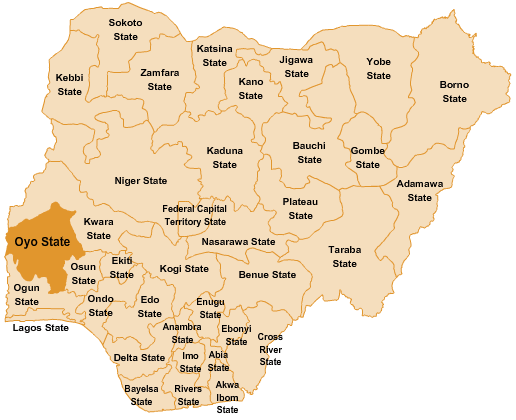
On May 15, 2026, armed bandits stormed Community High School Ahoro-Esinele, Yawota Baptist Nursery and Primary School, and L.A. Primary School in Oriire LGA, abducting 39 students and 7 teachers in coordinated, broad-daylight attacks. The youngest victim is two.
A video of the vice principal, Mrs. Alamu circulated online days later where he was on her knees in the forest begging the President, the Governor and any well-meaning Nigerian to negotiate for their release. She said they were being exposed to rain, cold, and sun.
One teacher, Michael Oyedokun, a Mathematics teacher who reportedly stood between the attackers and his pupils, was later killed in captivity.
As Ojude Oba went ahead in Ijebu-Ode, those children were still in the bush. The Oyo State Governor, Seyi Makinde, was that same week using his Eid-el-Kabir celebration to reassure families of the abductees.

Meanwhile, in Ijebu-Ode, Governor Dapo Abiodun and Seyi Tinubu were joining thousands in a festival draped in emerald green, royal blue, deep purple and gold.

The contrast was clear and the outrage was not irrational.
What Would Have Happened in Another Country?
It is worth asking this question because context matters in this kind of debate.
In most Western democracies, a mass school kidnapping of 46 children and teachers, one of them a toddler, one teacher already dead, would have triggered an immediate national emergency with visible government response.
Flags would be at half-mast. There would be parliamentary emergency sessions. Culturally significant public events in the same region would be paused, or at least observed with formal mourning, not out of law but out of social consensus.
The absence of that response would be a political crisis in itself.
In parts of Latin America where the "never again" culture around state violence runs deep, a community festival held while children remained missing would face significant grassroots pressure to cancel or restructure as a solidarity event.
However, Nigeria is not those places and not entirely because of apathy. Nigeria is a country where catastrophe has become so normalized that the system has been forced to run parallel tracks out of sheer survival.
The North has buried school abductions since 2014, starting withthe 276 Chibok girls, and communities in those states eventually had to figure out how to bury the dead and celebrate weddings in the same breath, because waiting for things to be okay before living your life means never living your life at all.
That normalisation is its own tragedy.
Was It Insensitive? An Honest Analysis
Insensitivity, in this context, would be celebrating as thoughnothing was happening, with no acknowledgment, no solidarity moment and no visible grief from the officials and dignitaries in attendance.
It would be government officials who represent institutions with the power and responsibility to rescue those children showing up to a festival and posing for cameras without a word about what is happening in the neighbouring state. That is insensitive.
What is not automatically insensitive is a people showing up for a century-old cultural ceremony that belongs to them, that cost them money and planning and emotional investment, that they cannot simply reschedule, and that carries the weight of a deceased king's final instruction.
The Ijebu people did not kidnap those children. Demanding that they cancel their most significant cultural event as an act of collective mourning for a crisis happening in another state is not so valid a logic.
There are families who had already spent money on aso-oke and travel arrangements, many of whom are not wealthy; if they were being asked to absorb a financial loss for a situation they had no hand in creating and no power to resolve, who speaks for them in the cancellation argument?
The more productive question is not "should Ojude Oba have been cancelled?" but "what should the officials who attended have done differently?"
A formal acknowledgment from the stage, a moment of silence or a public commitment from Ogun State leadership to support the rescue would have suffice.
Something that says: we know, we see and this joy is held alongside grief. That is what was missing and its absence is the legitimate grievance.

The Bigger Problem This Conversation Is Actually About
The Oyo school kidnapping happened in the South-West and that is the part that cracked something open in the national consciousness.
Mass school abductions in Nigeria have for over a decade been treated as a northern problem. When Chibok happened in 2014, when Zamfara happened in 2021, the south watched, grieved, advocated and returned to its life.
Now the terror has migrated, and suddenly the question of whether it is appropriate to dance while children are missing feels urgent in a way it perhaps did not feel when the children were in Borno.
That moral reckoning is worth observing because if the outrage about Ojude Oba 2026 going ahead is genuine, the same outrage should have been arriving consistently for years, demanding that national life pause until every abducted child is home. It has not.
That inconsistency does not erase the current grief, but it does complicate the argument.
The 46 students and teachers still in the forest deserve more than a debate about a festival. They deserve the full force of a government that treats their rescue as the emergency it is, not performative statements between Eid visits and cultural appearances, but a coordinated, resourced, and urgent operation.
That is the conversation that actually matters. Ojude Oba 2026 is over. Those children are not home yet.