Office vs. Hustle: The Clash Between Formal Employment and Entrepreneurial Culture in Africa
Across Africa, a new generation is redefining success as hustle culture challenges the traditional office job. From Lagos to Nairobi, young Africans are choosing freedom and creativity over structure and stability, reshaping what work, ambition, and success mean in the modern economy.

The New Meaning of Work
All across Africa's big cities—Lagos, Nairobi, Accra, Addis Ababa—there is a silent clash building on what work really means. On one side, there’s the classic dream: the steady office job, nine-to-five, a regular paycheck, a tidy desk, and that all-important company ID. It’s the kind of job parents still push for, hoping their kids land spots in banks, government offices, or maybe a multinational company. For years, that was the gold standard.
Now, things are changing. With more young people stuck without jobs and the internet opening new doors, millions are ditching the old path. They’re hustling—making, trading, designing, selling—on their own terms. The hustle culture is everywhere. You see food vendors who run online side gigs, tech freelancers managing three projects at once, people mixing survival with creativity because, honestly, they have to. In Nigeria, “I dey hustle” isn’t just slang, it’s pride, it’s necessity, and it’s a way to say, “I’m not waiting around for someone else to give me a shot.”

This whole movement is partly a reaction to frustration. The usual office jobs in a lot of African countries are stuck with old-school rules. They reward time served over fresh ideas, and young workers complain about low pay, rigid hours, and jobs that go nowhere fast. Sure, the office promises stability, but when prices keep rising and politics get shaky, that promise doesn’t mean much.
So, hustling starts to look pretty good. You get to mix what you love with how you earn-fashion, photography, tutoring, even crypto. There's freedom, but there's risk, too. No real safety net, no guarantees. If you don't work, you don't eat.
This split is getting wider. For some, the office still stands for respect and discipline. For others, it’s a cage with too many rules. Today’s African workforce is caught in the middle, pulled between stability and freedom, structure and adventure, a steady paycheck and chasing passion.
The Hustle Economy and the Rise of the Side Gig
Hustle culture isn’t just another trend, it’s reshaping the way people work. All over Africa, informal entrepreneurship is where most jobs are. The African Development Bank says almost 80% of the continent’s workforce is hustling outside the formal sector. That's huge, and honestly, it speaks to both the new possibilities and the risks people face.
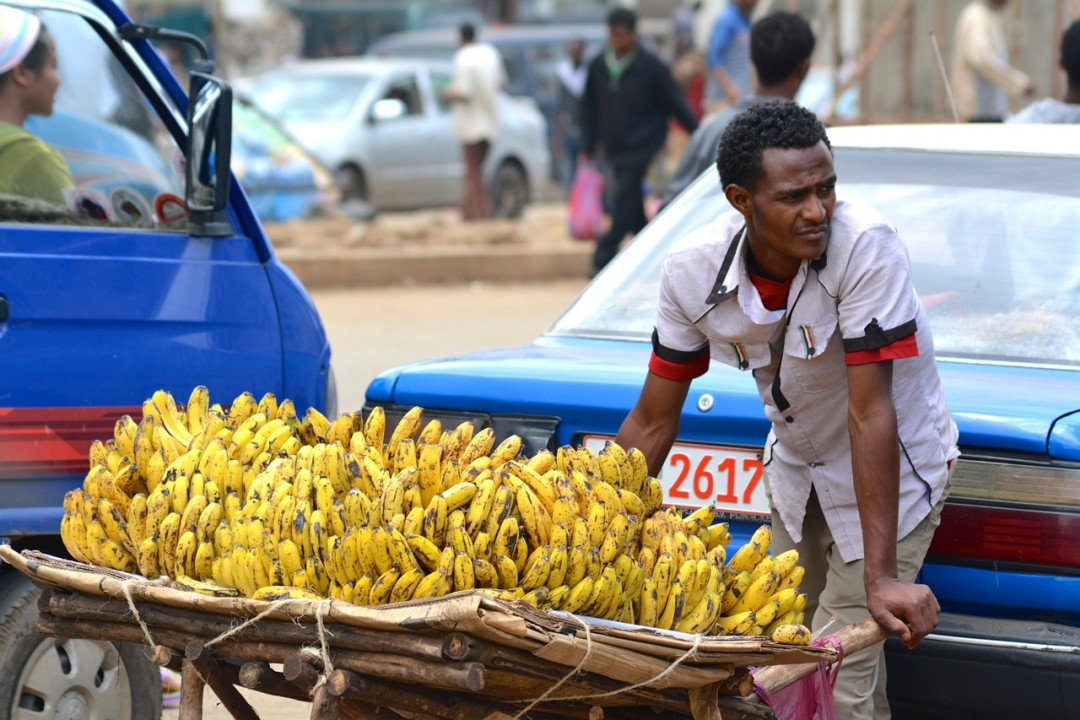
So, what's behind this wave of entrepreneurship? It's a mix of tech, real need, and ambition. With just a smartphone, anyone can launch a business. Instagram, TikTok, and WhatsApp have turned into busy marketplaces. You see young designers in Nairobi selling clothes straight from their Instagram stories. Digital artists in Accra auction their work as NFTs. Food vendors in Lagos organize orders through WhatsApp groups, and people have become creative, finding new ways to make a living.
This digital hustle economy has changed what work even means. A lot of young Africans spend their days at regular jobs, but after hours, they’re building their own projects. The side gig isn’t just a fallback anymore, it’s a legit career path. Sometimes it even takes over as the main thing.
But there’s a flip side. Most of these hustlers don’tpay into tax or pension systems, so governments lose out and workers end up with no safety net. Loans, insurance, healthcare? Those are hard to come by if you’re not in the formal sector. So, the autonomy that comes with being your own boss often means embracing a great deal of uncertainty.
Still, the hustle attracts people. It is about ownership of your time, your work, and your identity. There is a real sense of pride in building something for yourself, even if the future isn't clear. And out of these side gigs, some of Africa’s coolest startups have emerged—food delivery, fashion brands, fintech solutions—many started as experiments on the side.
Really, hustle culture is turning traditional ideas of professionalism upside down. It rewards results, not just resumes. It values what you can do, not just where you went to school. The African worker of tomorrow might not fit into a cubicle. They could clock in from home, a café, or even the side of the road. Either way, they're making an impact.
Reconciling Structure and Hustle
This whole back-and-forth about office jobs versus hustling isn’t just about money. It runs deeper, it’s about who people want to be, what progress looks like, and how you define“making it” in today’s Africa. Young people are starting to blur the old lines. Now, you see more folks mixing the reliability of a 9-to-5 with the excitement and risk of striking out on their own.
You can tell things are shifting because governments and companies are actually paying attention. Some companies let their employees work flexible hours, while others even allow juggling side gigs. Major cities have opened up new co-working spaces and startup hubs where people can build something from scratch but actually get guidance along the way. The Ajira program in Kenya is teaching freelancers how to thrive online and making gig work feel like a real career option.

Schools are catching on too. Universities and tech colleges have started offering courses in entrepreneurship, pushing students to see beyond just landing a job after graduation. They get it, tomorrow’s workforce needs both a hustler’s creativity and a pro’s discipline.
Still, none of this is simple. Many young Africans are finding themselves stuck in the middle, trying to balance what their family wants them to do and what they really want to do. The rush to make it in the hustle world can wear people out or leave them broke. But sticking with a strict office job can kill your drive to grow or try new things.

The big hurdle? Building real systems that let both paths work together. Things like policies that help small businesses, better access to digital banking, and safety nets for freelancers could open up a space where structure and hustle don’t just collide, they actually work side by side.
In the end, this isn’t a fight to see which way wins. It’s a conversation. The future of Africa’s economy probably depends on blending the steady hand of office life with the raw energy of the street. One gives you a solid base. The other sparks ideas. Get them working together, and you might just change what success looks like for a whole new generation.