Not Your Typical African Prints: How Kílèńtàr Is Reinventing Fashion and Culture
Kilentar is reshaping the future of African fashion by moving beyond typical Ankara prints and redefining elegance through minimalist design, cultural storytelling, and global sophistication rooted in African identity.
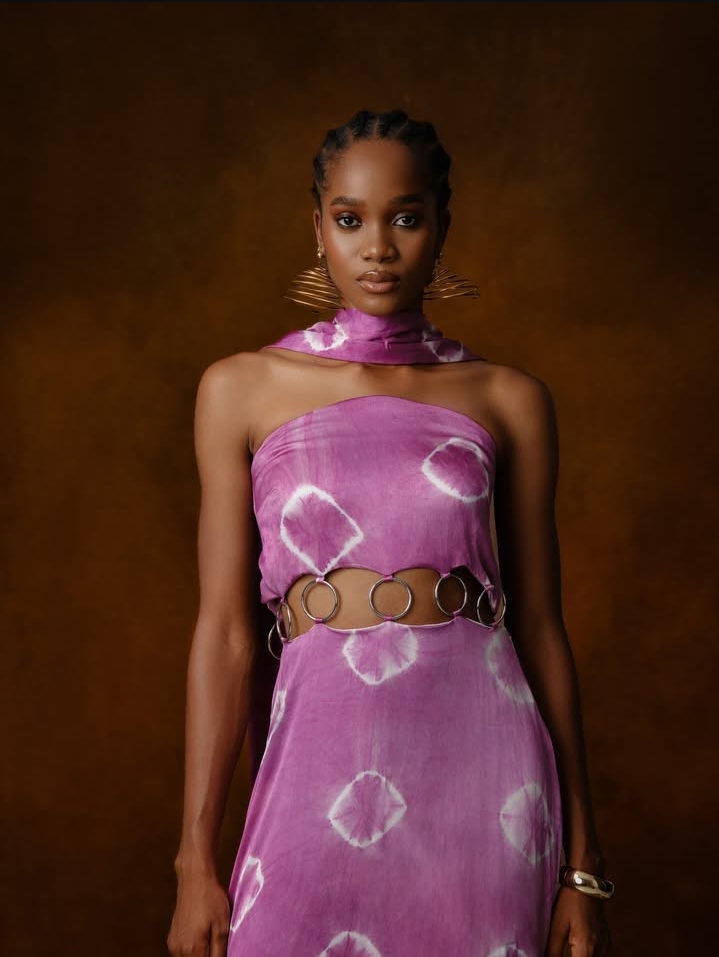
When you first see a Kílèńtàr piece, you are likely to pause. Not just to admire, but to think and observe such intriguing fashion piece.
The lines are clean, the colour palette deliberately selected, the material textures rich, not in the way that shows off. You won’t find the usual bold Ankara prints but instead, there is something minimalistic yet powerful, a new interpretation of what African fashion can be.
Kílèńtàr is not denying the African identity, it is rather giving it a little twist. In fact, the brand’s designs feel like a soft rebellion against the usual predictability of African fashion. It emits the energy of that kind of creativity that asks, “What if African fashion could whisper and still be heard?”

The Ankara Obsession: A Blessing and a Box
For decades, the global shorthand for African fashion has been one thing and texture: Ankara. The bright wax prints, intricate designs, and the dramatic tailoring have long ruled the African fashion scene and it has almost become synonymous with looking “African.”
It stands as the cultural symbol, a fashion statement, and in many ways, a badge of pride. But like every symbol, Ankara has also become a box.
Walk into many African fashion events and you would see the same familiar aesthetics: similar patterns, loud colours, and exaggerated silhouettes. Beautiful, yes, but repetitive.
Somewhere between celebration and commercialisation, the African fashion story became one-dimensional. Western audiences expect vibrancy; local markets equate creativity with colour. The result? A rich continent’s fashion identity flattened into fabric stereotypes.
That is where Kílèńtàr steps in and not to reject Ankara, but to remind us that Ankara is not the print, it is one of the perspectives African fashion can come from.
Meet Kílèńtàr: Where Heritage Meets Modernity
The brand name, Kílèńtàr, is derived from the Yoruba language, spoken in West Africa, and translates to “What are you selling?”, a phrase that firmly grounds the brand in the essence of African fashion.
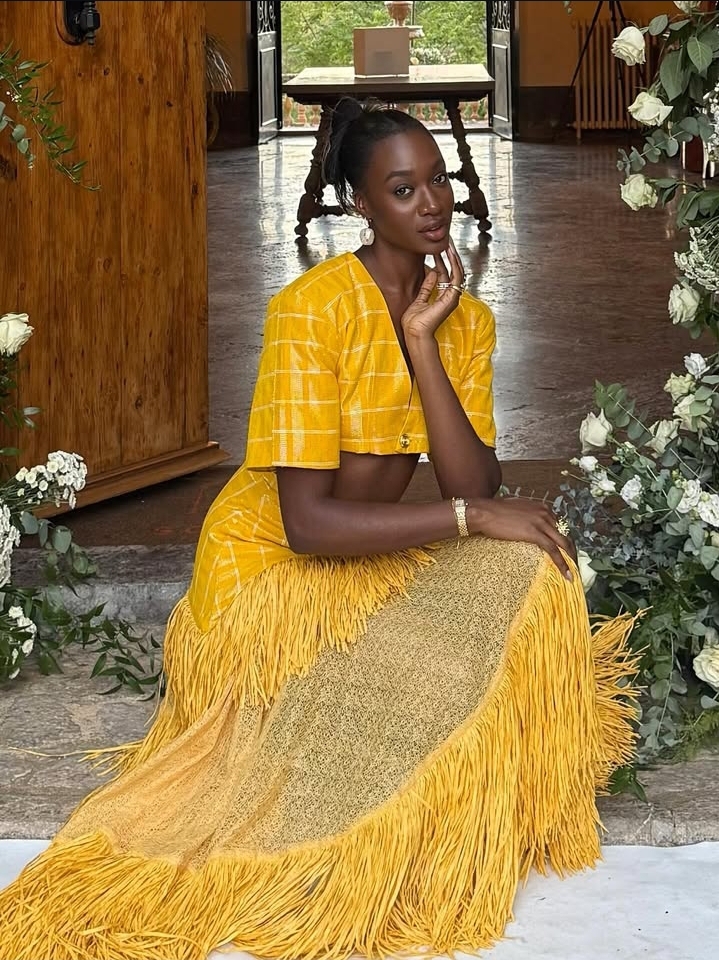
Michelle Adepoju is the creative force behind Kílèńtàr, a British-Nigerian designer with roots in both the UK and Yoruba culture. Growing up, her parents ensured she stayed grounded in her heritage, which later became the bedrock of her design philosophy.
After earning a degree in Art and Marketing and experimenting with upcycling second-hand finds, Michelle embarked on a journey across West Africa in 2019. It was there that witnessing traditional dyeing, weaving, and crafts inspired her to found Kílèńtàr, blending authentic African craftsmanship with modern elegance.
Kílèńtàr is founded on the belief that African fashion can evolve without erasing its soul, it represents the quiet revolution in the African fashion world. Its aesthetic language is rooted in minimalism,structure, form, and flow.
Each collection tells a story, not through loud visuals, but through texture, silhouette, and movement. The clothes feel like they were made for a woman who carries heritage in her bones but refuses to be defined by nostalgia.
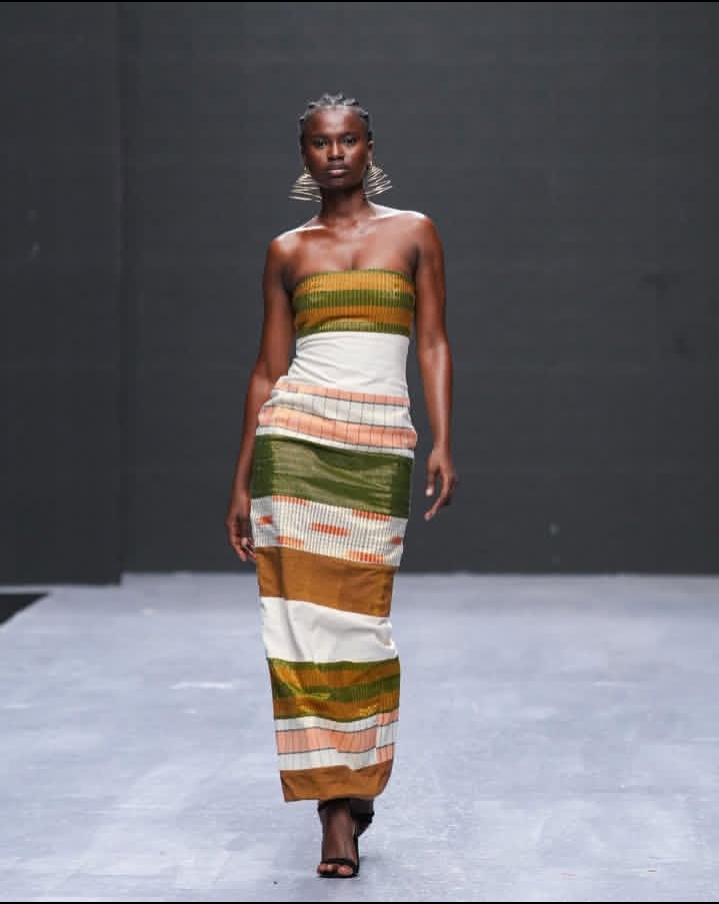
In Kílèńtàr's world, you would find organza beside aso-oke, raffia intertwined with silk, and cuts that merge precision with emotional depth. Every piece says, “I am African, but I am also everything else I choose to be.”
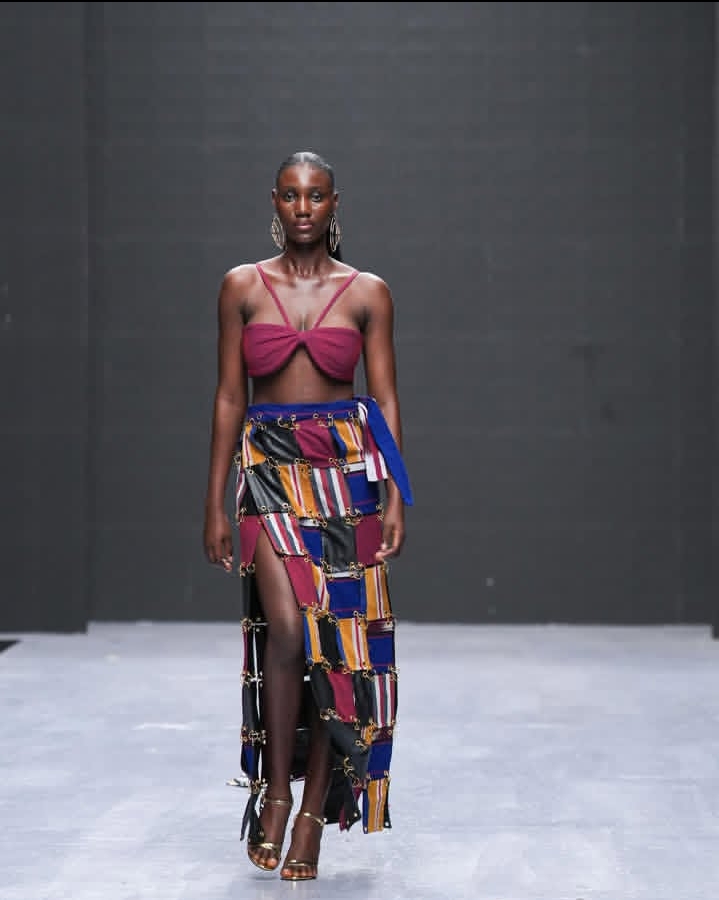
Beyond the Print: Rethinking What Makes Fashion African
Let's reason together: What exactly makes fashion African? Is it the fabric or the feeling? Is the carriage or the boldness?

Kílèńtàr argues it is the feeling. You'd find out that the brand’s designs are rooted in the same spirit that once birthed kente, adire, and bogolanfini. The creativity, symbolism, and storytelling that has always been the backbone of all African fabrics.
But instead of repeating old symbols, Kílèńtàr reinvents them. A garment might take inspiration from the Yoruba deities or Igbo cosmology, yet present it in silhouettes that could walk any global runway.
For too long, African fashion has been viewed through a Western lens as something “exotic,” “colourful,” or “tribal.” Kílèńtàr challenges that narrative by proving African fashion can be subtle yet intellectual and emotionally resonant. It does not have to fit into anyone’s expectations to be authentically ours.
Breaking Away from Predictability
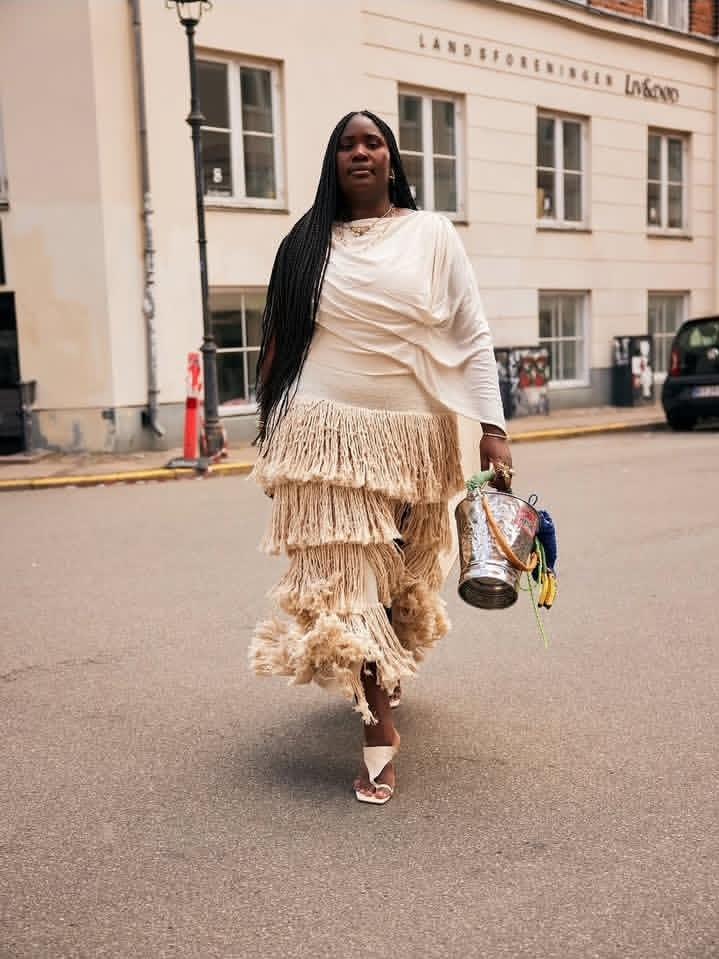
Kílèńtàr's genius lies in its restraint. Where many brands lean into maximalism, Kilentar finds power in balance. Its pieces are bold without shouting, experimental without losing grace.
Ankara, in Kilentar’s hands, is not discarded. It is expertly deconstructed and used to create a minimalist fashion masterpiece.
Prints are reimagined through layering, mixing with unexpected textures, or paired with neutral tones that highlight craftsmanship over chaos. The goal is not to outshine tradition but to outgrow its cage.
This approach signals maturity in African fashion which is welcome evolution from aesthetic pride to artistic exploration.
Global Footprints, Local Roots
There is that quiet confidence to Kílèńtàr's work. That kind that does not need to prove “Africanness” to anyone.
It is no surprise that Kílèńtàr's work has caught global attention. The brand has graced fashion runways, editorial spreads, and influencer wardrobes. But unlike many labels that lose their identity once they cross borders, Kílèńtàr remains grounded.
Every piece feels anchored in African craftsmanship: the meticulous finishing, the handwoven textures, the symbolism embedded in detail. The brand doesn’t chase global approval; it invites global conversation.
At home, Kílèńtàr's influence is equally powerful. Young African designers are beginning to see that creativity doesn't have to scream to be seen. The quiet revolution has begun.
The Bigger Picture: Culture in Motion
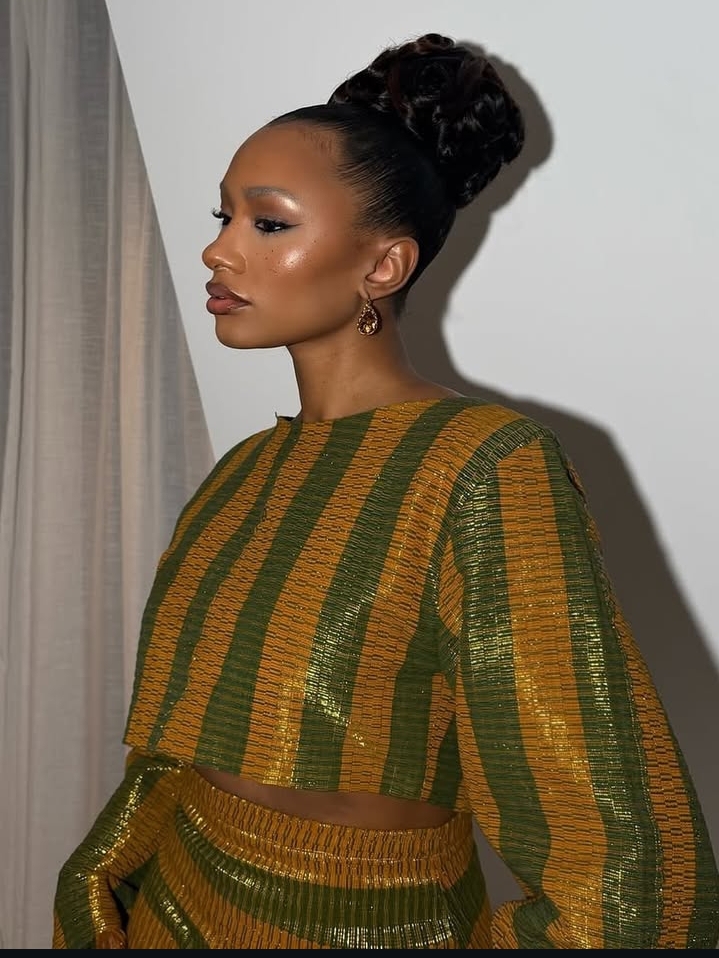
Elegance, in the African sense, has often been loud — a statement necklace, a headwrap, a print that announces you before you speak. Kílèńtàr softens that narrative, suggesting that Africans can be embody quiet elegance without losing their cultural footing.
So, when people say Kílèńtàr is reinventing African fashion, what they really mean is that it is reintroducing complexity into the conversation. African fashion can also evolve, absorb, and reimagine.
From colonial times to globalization, African creatives have always found ways to resist erasure through reinvention. Kílèńtàr stands in that lineage, serving a gentle reminder that heritage is not fragile, it is fluid. The true power of culture lies in its ability to adapt without apology.
In a world that keeps expecting Africans to show up in colour, Kílèńtàr teaches us the power of contrast, the beauty of subtlety and the elegance of choice.