Not So Instant: The Health Risks Behind the Quick Noodle Craze
A deep dive into the health and cultural debates surrounding instant noodles in Africa—examining why convenience often comes with hidden risks, and why parents still resist the “quick meal” craze.
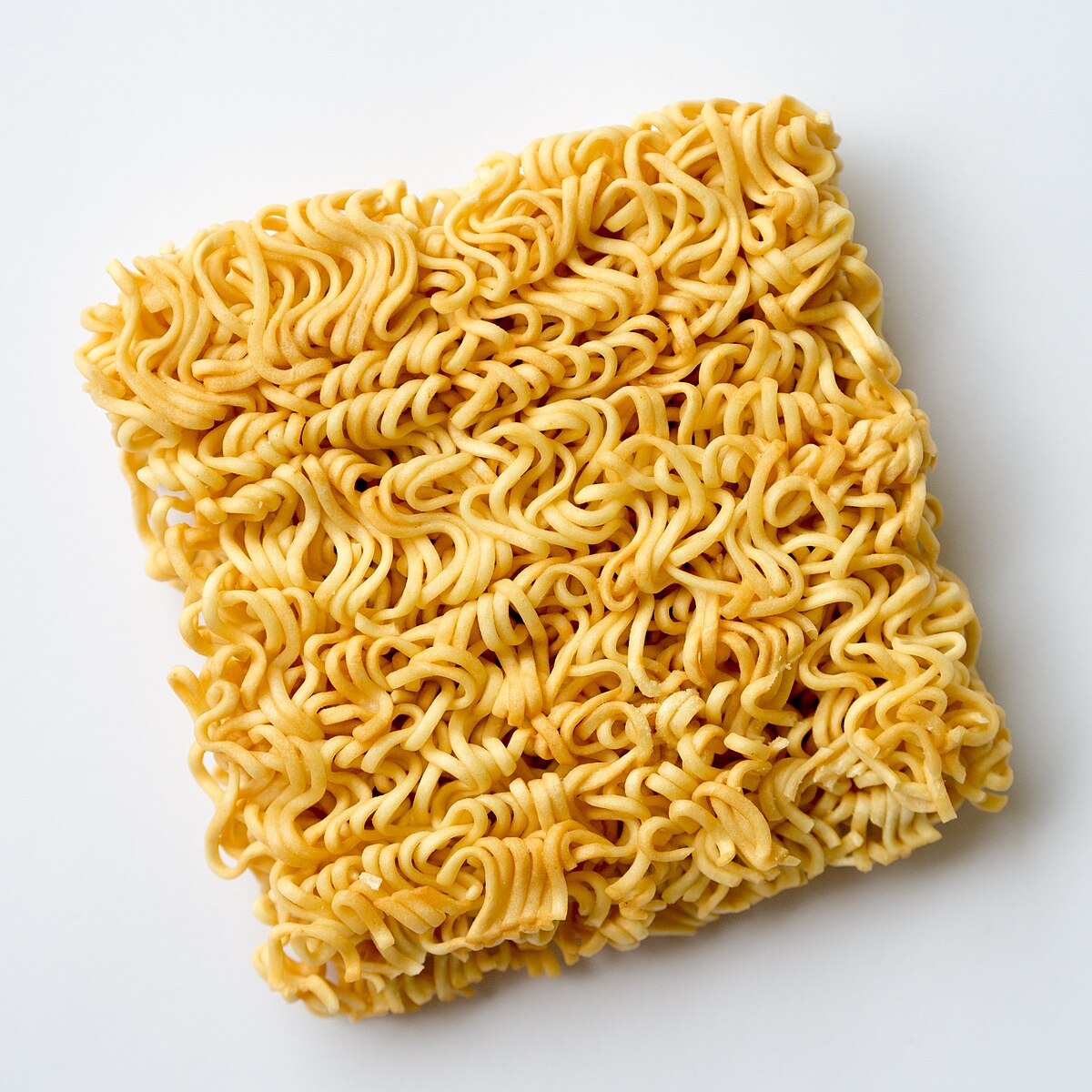
It is 9:45 p.m. after a long day. The fridge is empty, your body feels too tired to cook, and the hunger pangs are sharp enough to make you irritable. You reach for the one thing that promises comfort and speed: instant noodles.
Within six minutes, a steaming bowl sits before you. For millions of young Africans, this ritual is familiar. Yet, in the back of their minds, a familiar parental warning echoes: “Stop eating that thing. It is not real food!”
Instant noodles have become one of the most consumed “quick fix” meals in modern Africa. They represent a generation’s survival food that is cheap, convenient, and reliable. But beneath their colourful packaging and spicy aroma lies a growing health concern and a cultural debate that cuts deeper than most dinner-table arguments.
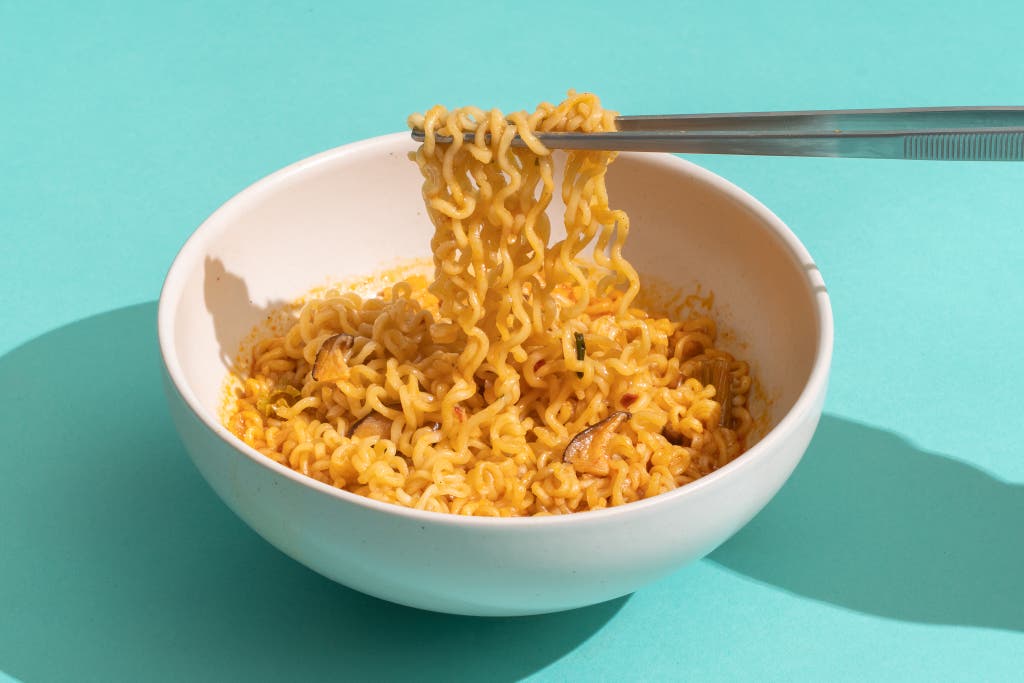
The Rise of Instant Noodles in African Kitchens
In the past two decades, instant noodles have journeyed from being a foreign novelty to a household staple across African countries. It can be found in most students’ food lockers, in office cafeterias, even restaurants.
Their presence has redefined what “fast food” means, outside of flour-based snacks. The instant noodles popularity rides on three major factors: affordability, accessibility, and speed.
The urbanization phenomenon has changed African eating habits dramatically. That slow, communal meals of older generations are increasingly replaced by solo, fast, and ready-to-eat options.
For students and young professionals, instant noodles fit perfectly into the rhythm of city life. There is no prolonged peeling, no pounding to make a fluffy swallow and no long wait hours to have a hot, “home-made” meal.
This shift can, however, be classified as one powered not just by the need to fill the stomach but also an urge to belong. To many young Africans, eating instant noodles isn’t just about saving time, it’s a marker of independence and modernity. The meal speaks the language of convenience, one that resonates deeply in an age of hustle.
What’s Inside the Pack? The Health Perspective
Behind the convenient, comforting steam, however, lies a less comforting truth. Instant noodles are primarily made from refined flour, a carbohydrate stripped of most of its nutrients during processing. They are then fried or dehydrated, packed with flavouring powder rich in salt, preservatives, and additives like monosodium glutamate (MSG).
A 2014 study published in The Journal of Nutrition revealed that frequent consumption of instant noodles was linked to a higher risk of metabolic syndrome and conditions like obesity, high blood pressure, and elevated cholesterol. The sodium levels alone are enough to raise eyebrows; a single pack often exceeds half the daily recommended intake.
A more recent study published by Science Direct suggested that the consumption of Ramen noodles, a type of instant noodles, can be associated to stroke and gastric cancer.
Moreover, instant noodles lack fiber, protein, and essential vitamins, making them “empty calories” that fill the stomach but not the body’s nutritional needs. For growing children or young adults who substitute proper meals with them, the long-term risks can range from malnutrition to heart complications.
It is not that eating noodles occasionally is harmful. The real problem lies in habit when “instant” becomes routine, and nutrition becomes optional.
African Parents and the Fear of ‘Artificial Foods’
Step into any African home, and you’ll likely hear the warning: “Don’t eat that thing. It’s harmful!” To outsiders, this may sound exaggerated, but within African culture, food carries moral and emotional weight.

Traditional meals like yam pottage, efo riro, egusi soup, are made from fresh, recognizable ingredients. They are slow, deliberate, and communal.
In contrast, instant noodles seem suspiciously anonymous. They come from a packet, need no mother’s touch, and deliver taste without visible labour. To African parents, this feels wrong and not just nutritionally, but culturally.
There is also a deep-seated fear that modern foods are “artificial,” unnatural, and somehow corrupting. And it is not entirely unfounded.
Parents associate instant foods with Westernized habits and health shortcuts that threaten traditional values. For them, the kitchen has always been a moral space, where patience, hygiene, and care define good food. Instant noodles, by contrast, symbolize laziness and loss of control.
Between Generations: The Clash of Convenience and Caution
At the heart of the noodle debate lies a generational clash. Young people, raised in a world of speed, find instant noodles a small rebellion against time. Parents, shaped by slower living, see it as a rebellion against wisdom.
But beyond culture, there is economics. For low-income families, instant noodles sometimes serve as a necessary compromise, something cheap and filling when other foods are unaffordable. This complicates the debate: how do you tell someone to avoid what is keeping them from hunger?
Psychologically, food in African homes is an expression of love and authority. Parents feel a duty to regulate what their children eat because food is tied to health, character, and upbringing. So, when they scold a child for eating instant noodles, it is not just about sodium levels, it is about preserving a tradition of care.

Towards a Middle Ground: Awareness and Moderation
The truth lies somewhere in the middle. Instant noodles are not inherently evil, but they are far from ideal. What is needed is not total avoidance, but moderation and awareness.
Nutritionists recommend pairing instant noodles with real food like adding boiled eggs, vegetables, or lean protein to make the meal more balanced. This simple addition can transform it from a junk snack into a somewhat nutritious dish.
Education also matters. Many young Africans lack access to basic nutritional information. Schools and media can help shift the conversation from fear to facts, empowering people to make better choices without guilt or ignorance.
Cultural evolution does not have to mean abandoning the past. Africa can embrace convenience without losing its culinary wisdom. After all, balance and not panic, is what sustains health.
Rethinking ‘Instant’ in a Slow World
The irony of “instant” food is that its consequences are anything but instant. What we save in time, we might pay for in long-term health.
Instant noodles may continue to dominate pantries across Africa, but they should never replace the nourishment that fresh, wholesome meals provide. As lifestyles change, perhaps the best lesson African parents teach, though often through scolding, is worth remembering: not everything quick is good for you.
In the end, the noodle debate is about values. In choosing what we eat, we also choose how we live.