Not Everything Needs A White Plate: The Problem With Fine-Dining African Food
As African food gains global attention, a growing fine-dining trend is reshaping how it is presented, priced, and consumed. This essay questions whether “elevating” African cuisine through Eurocentric fine-dining standards preserves its soul—or erases it.
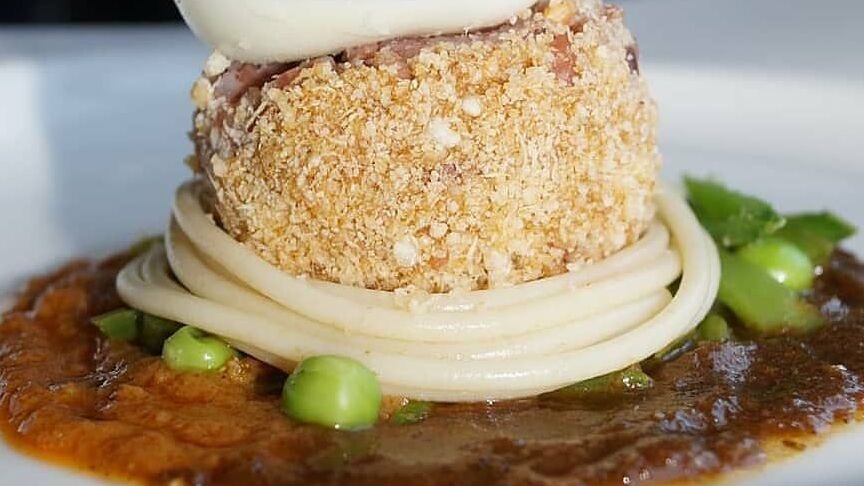
Look, I'm all for Africans getting their flowers. Seeing our food finally get mainstream recognition after decades of being dismissed or exoticized? That hits different. But lately, something has been bothering me about how African cuisine is being "elevated" in fine dining spaces, and we collectively need to talk about it.
Chasing Respect on Eurocentric Terms
These days, some restaurants are now trying to ‘fine-dine’ our cuisines. It is no longer odd to come across jollof rice deconstructed on a white plate with a single prawn artfully placed on top as opposed to the regular plating we are used to.
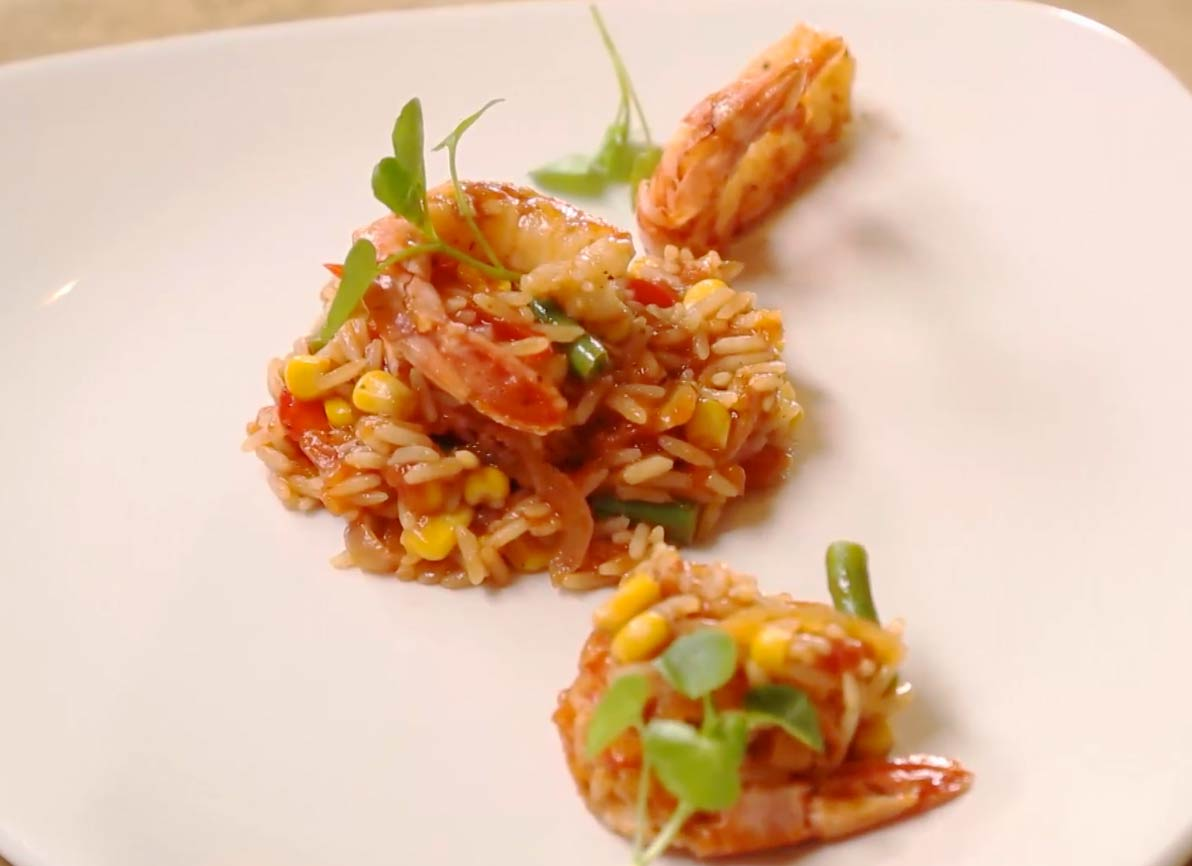
You are likely to come across suya arrives on a slate with "micro-greens" (because apparently regular greens aren't fancy enough) and probably paying exorbitant amount for three pieces of perfectly aligned plantain that your grandmother would serve you a whole plate of for free while complaining you are too skinny.
Now, the intention is understandable and quite applaudable . African chefs are trying to show the world that our food deserves the same respect as French or Japanese cuisine. They are fighting against decades of African food being seen as "cheap ethnic food" or something you only eat at your auntie's house.
But the problem is, in trying to earn respect from a Eurocentric fine dining world, we are literally putting our food on their plates. And I mean that both literally and figuratively.
African food was never meant to look like that. It was never meant to come in round bits with tablespoons of soups served by the side. African cuisine, across the entire continent, has always been about abundance, community, and sharing.
But fine dining? Fine dining is about scarcity, individual portions, and presentation that prioritizes aesthetics over substance. It is about making food look like art, which sounds beautiful until you realize that for many African dishes, the "art" was always in the generosity, the colours, the chaos of flavours mingling on one plate.
When you separate everything, portion it minimally, and arrange it with tweezers, you are fundamentally changing what makes the food ours.
White Plates as Culinary Colonization
Let us also talk about those serving vessels for a second. There is something deeply ironic about serving African food on the same white plates, slate boards, and geometric ceramics that every fine dining restaurant uses.
Like, we have calabashes. We have beautifully woven baskets. We have clay pots and wooden platters that have been part of our food culture for generations. But apparently, those are not "refined" enough for fine dining? The same European aesthetic standards that colonized our countries are now colonizing our plates.
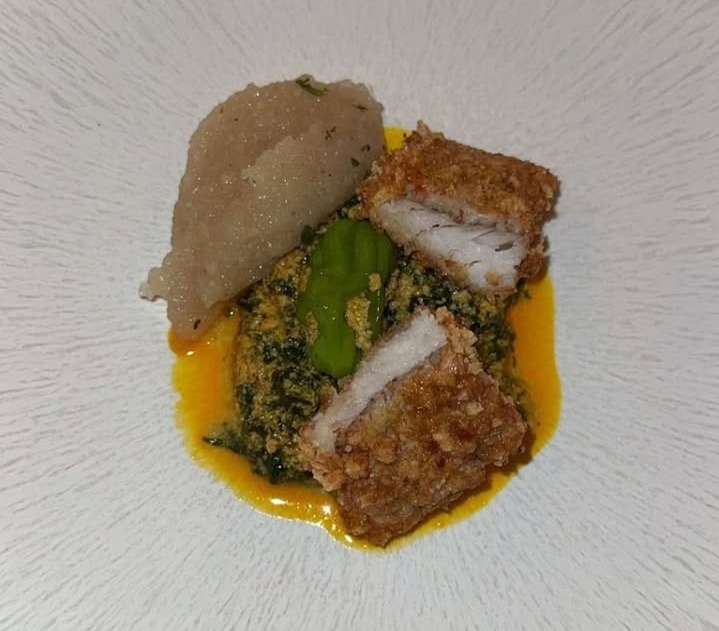
I saw a plate of Eba and Egusi and I was shocked. A pinch of Eba with a tablespoon of Egusi surrounding it, and little chunk of meats arranged aesthetically. Not only is the portion ridiculous, the presentation looks French even though the food is purely African.
The pricing is a whole other conversation. When that same plate of jollof that costs less at your local West African spot suddenly costs more because it is on a white plate with a wine pairing, who exactly are we serving?
Because it is definitely not the communities this food comes from. Fine-dining African restaurants are often more accessible to tourists and wealthy non-Africans than to the diaspora or people from the continent who grew up eating this food. We are literally pricing our own people out of our own culture, repackaged for people who need it "elevated" to take it seriously.
Elevated From What, Exactly?
And the part that stings the most is the implication that African food needs to be elevated at all. Elevated from what, exactly?
Our cuisines have complex flavour profiles, sophisticated techniques, and rich histories. These foods don't need validation from Michelin stars. They have been feeding people, bringing joy, and representing culture for centuries before fine dining was even a concept.
Now, I am not saying innovation is bad. There are African chefs doing incredible things, finding that sweet spot between honoring tradition and pushing boundaries.
Chef Selassie Atadika in Accra, for example, celebrates African food's heritage while experimenting with new interpretations that feel authentic, not performative. The difference is intention — are you innovating from within the culture, or are you conforming to external standards of what "good" food should look like?
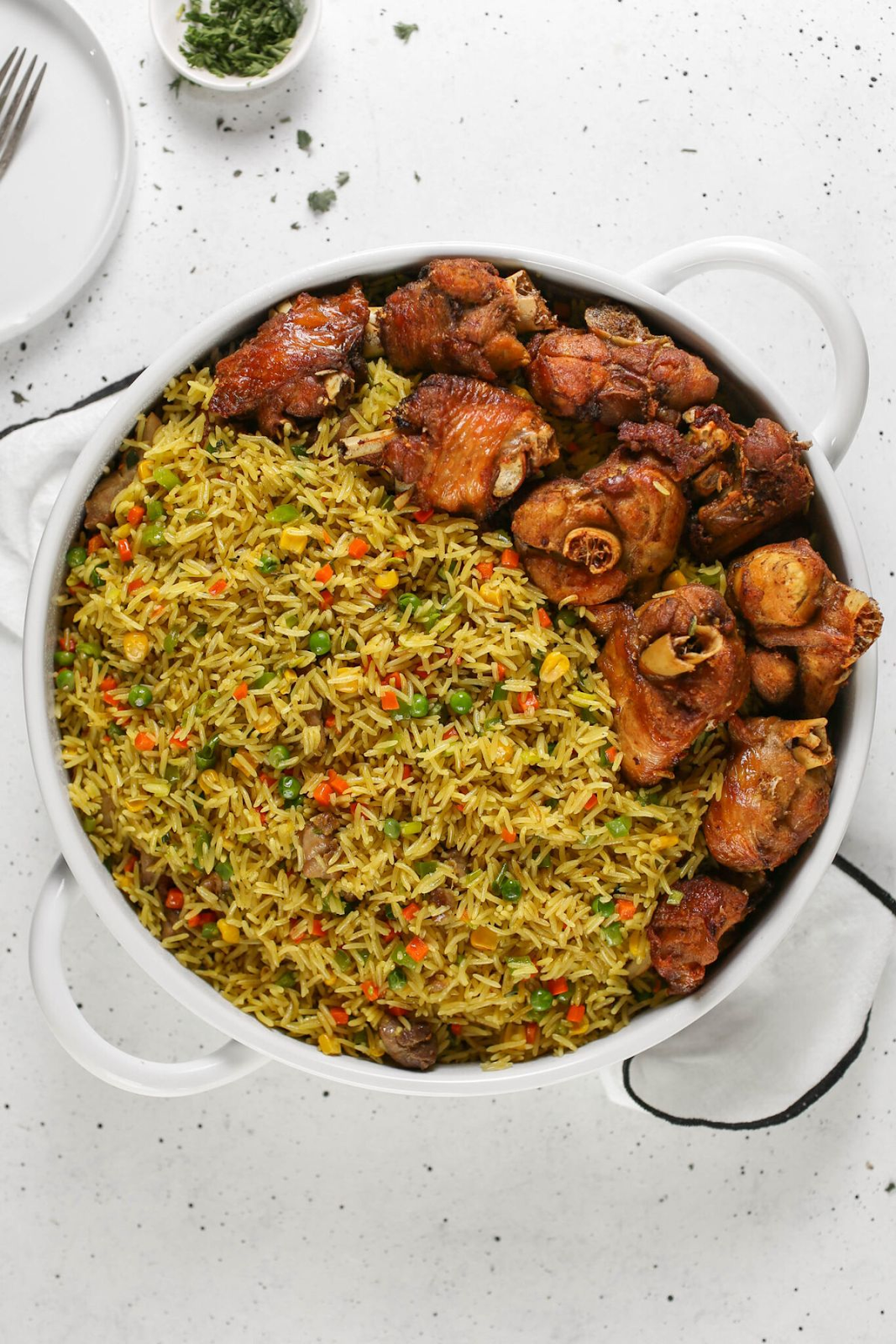
What Real Elevation Could Look Like
Maybe true elevation looks different. Maybe it is about paying chefs what they deserve while keeping food accessible to the community. Maybe it is about using traditional serving methods alongside modern techniques. Maybe it is about creating spaces that feel like home, not like a museum exhibit of African culture.
We need to ask ourselves: are we elevating African food, or are we just making it more palatable to Western tastes? Because there is a difference between sharing our cuisine with pride and repackaging it for approval.

So here's my hot take: African food does not need a white plate to be legitimate. It never did. What it needs is respect on its own terms, spaces that honour where it comes from, and people who understand that sometimes the most elevated experience is a crowded table, a full pot, and food that does not apologize for being exactly what it is.
Not everything needs to be fine dining. Sometimes, abundant and authentic is the whole vibe. And that's more than enough.